In a sphere of ordinary or bad looking SUVs, the attractive and handsome Nissan Tekton is a welcome addition.

The Indian car market is now almost totally dominated by SUVs with every other vehicle on our roads wearing this shape. But what is rare, are well styled and good looking or “Handsome SUVs”. In my view it’s not just the standards of design and styling that have fallen. But look around us, and you can witness a general deterioration in caliber and quality of our leaders, thinkers, language, dressing style and the way people carry and conduct themselves. This fall in standards is nowhere more obvious than in media, especially automotive media, with every “Amar, Akbar, Anthony” who has a smartphone (who doesn’t these days), fancying themselves as experts with a license to speak as they please.
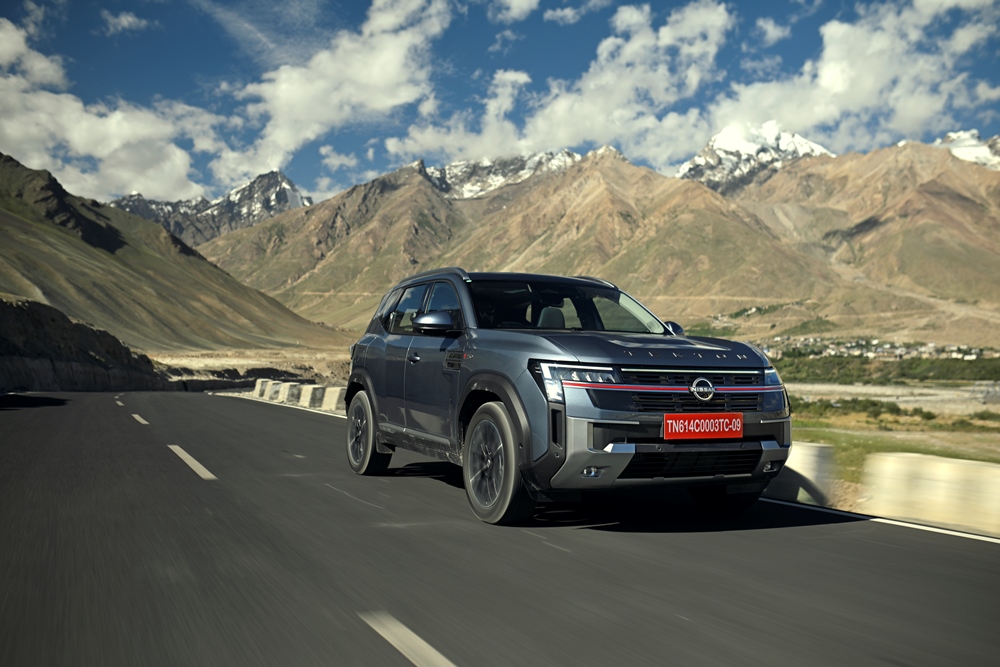
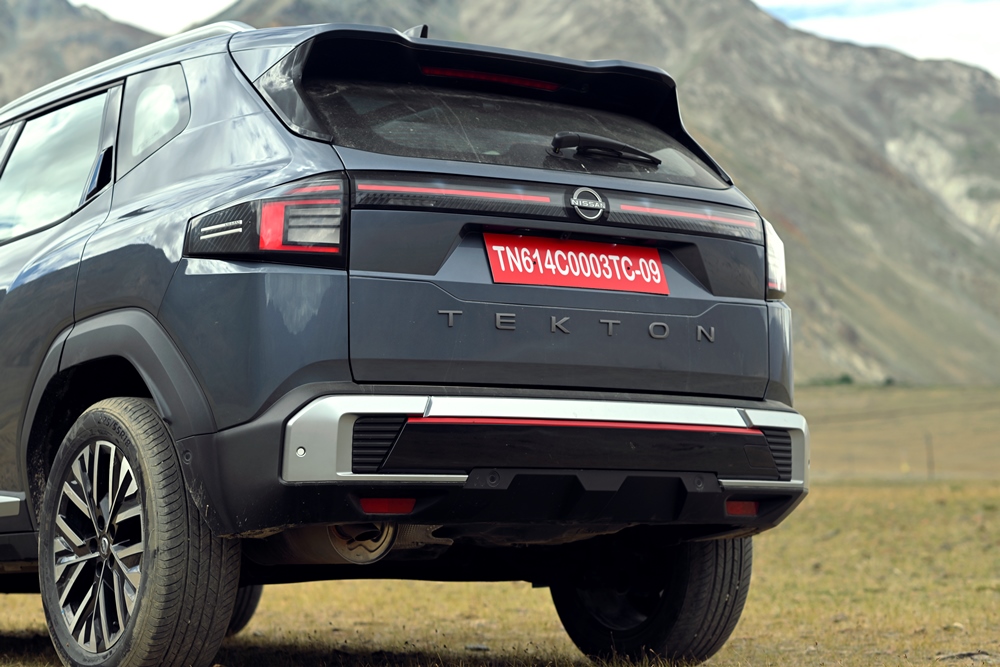
But as I said, eloquent, knowledgeable, honest, trusted and presentable and honourable commentators are few, just as nice-looking SUVs have become sporadic creatures. So, when I saw the Nissan Tekton for the first time at its global launch in Mumbai on 9th July, I was immediately smitten by this well sculpted and styled SUV. The Tekton is a “Handsome SUV” and so much better looking than its sibling, the new Renault Duster, which was launched in India in March 2026.
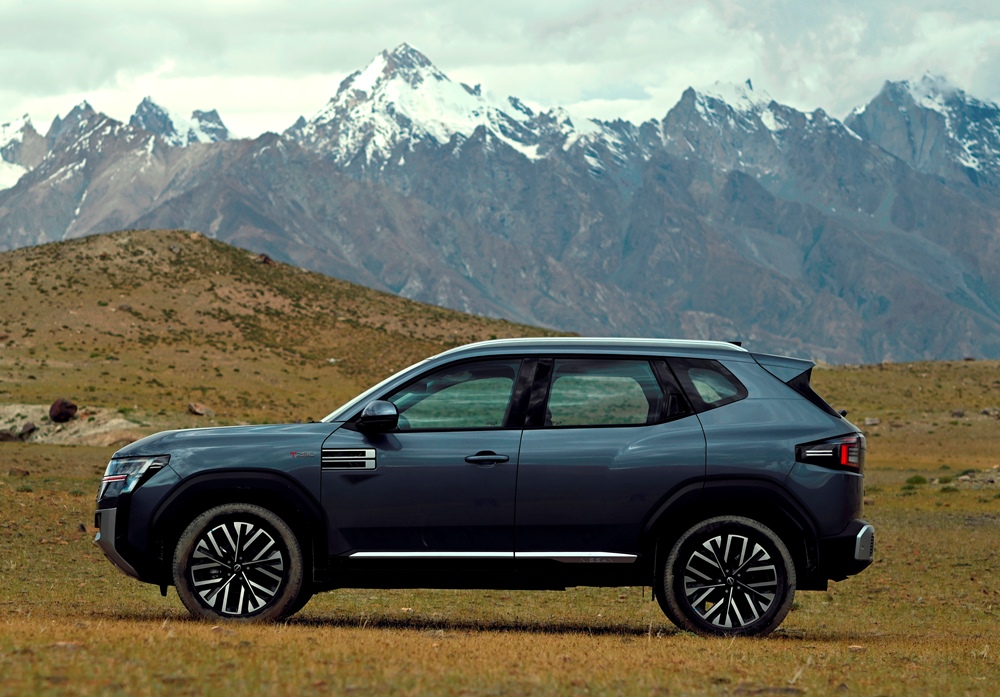
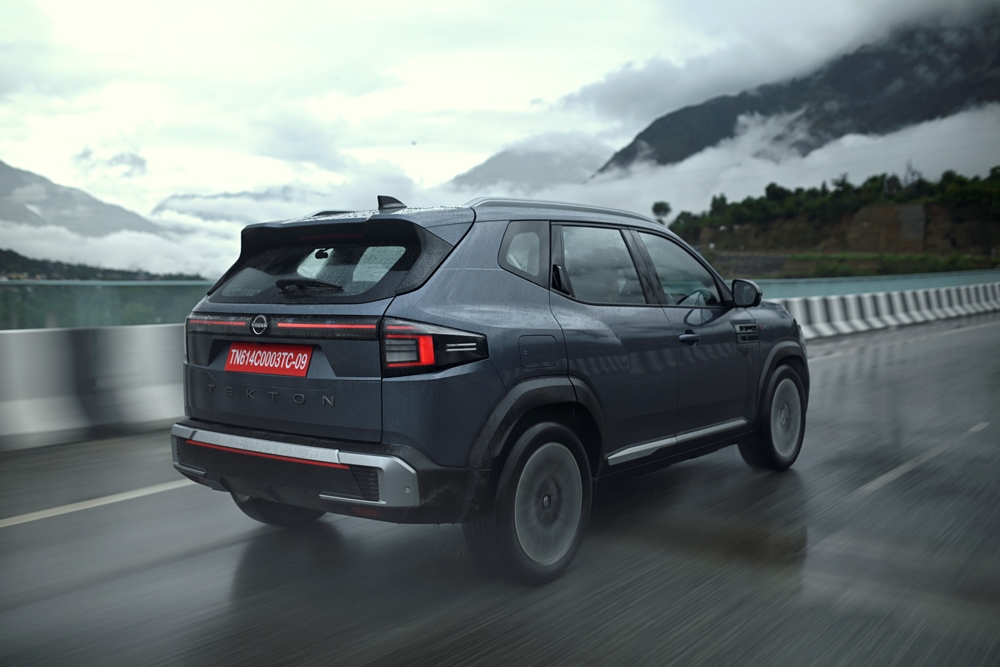
Now as most people know, Renault and Nissan have a joint venture and they work together on shared vehicle platforms, manufacturing, technology, and so on. And both the Renault Duster and Nissan Tekton are based on the same Renault Group Modular Platform (RGMP) and share the same underpinnings too. But, though they share the same platforms and engineering, to preserve each brand’s identity, both Renault and Nissan have separate design and styling teams.
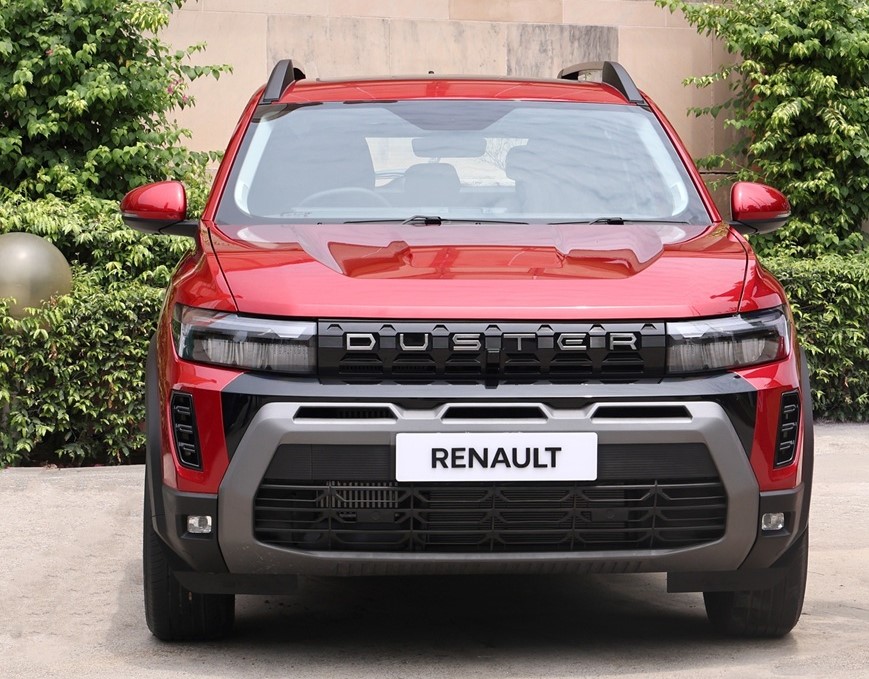
And in the case of the Duster and Tekton, its clearly the Nissan design team that has come up with the better looks and styling. This is ironical and somewhat unexpected, because normally, one associates the French with flair and adventure in design, whereas the Japanese are generally more practical and conservative. If you speak with the French, most will say that for them cars are like fashion pieces, whereas for the Japanese, it is more about clean geometry, efficiency, functional layout, practicality and ease of use.
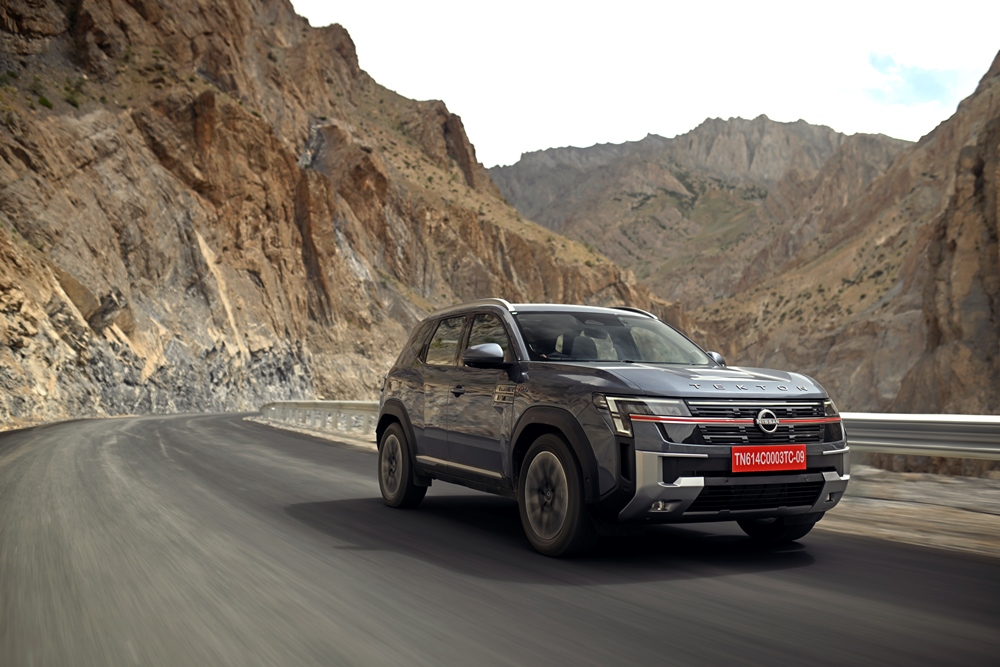
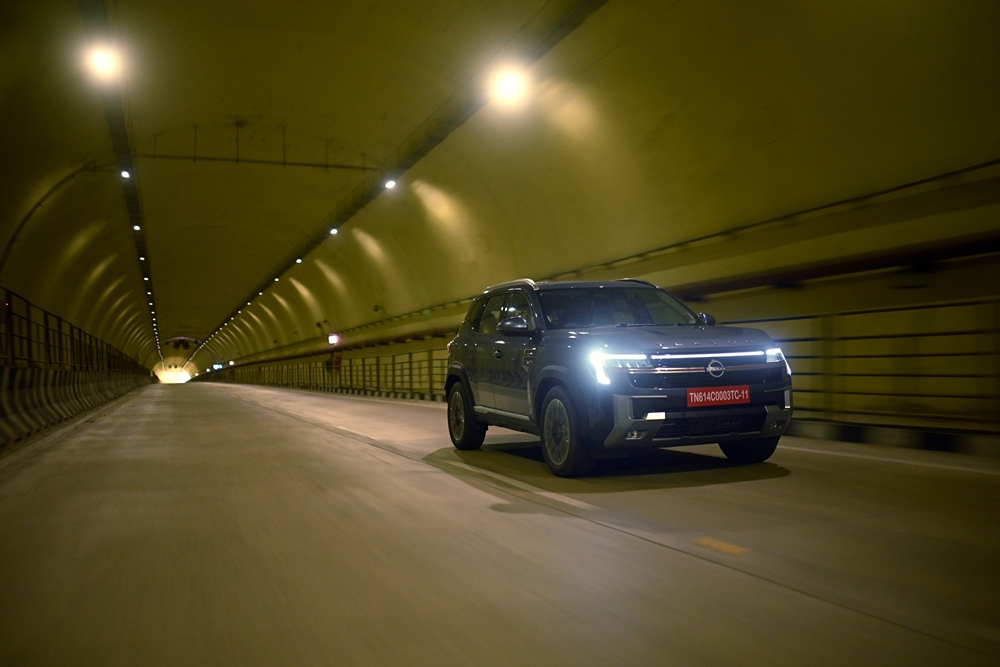
However, when I look at the Nissan Tekton, I am delighted that in their effort to make the Tekton’s styling clean, smooth and aerodynamic, they have also made it “Handsome”. And it not just nicer looking than the Duster, but as I said in the beginning, in my opinion, it’s one of the finest looking SUVs on sale currently. The balanced proportions have been complimented by a nicely cut and smartly shaped body with well-crafted adornments, and the overall result is a dapper looking SUV that is also comfortable and nice to drive.
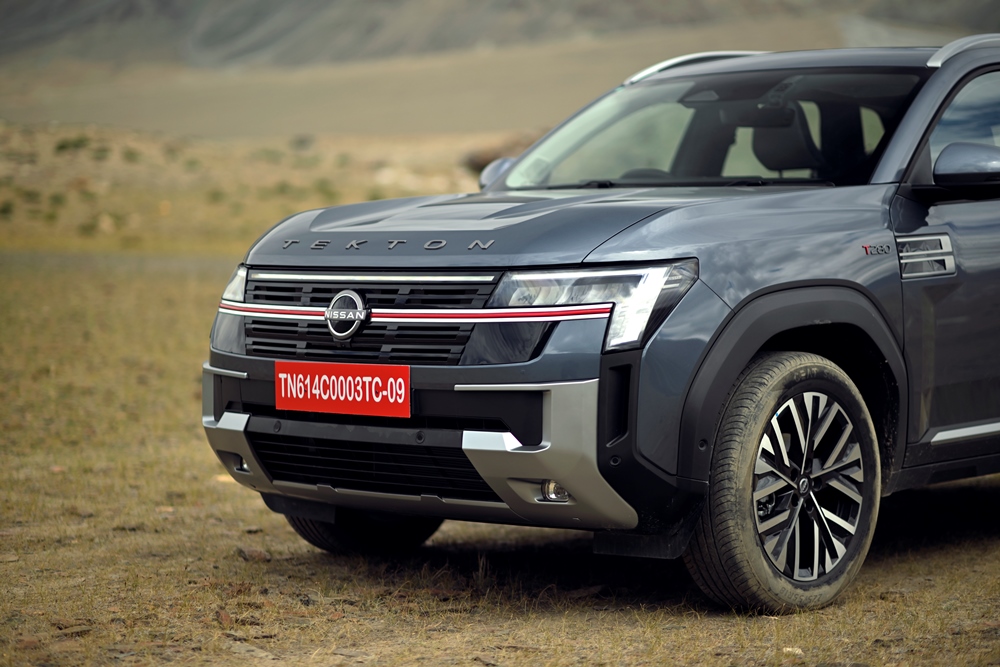
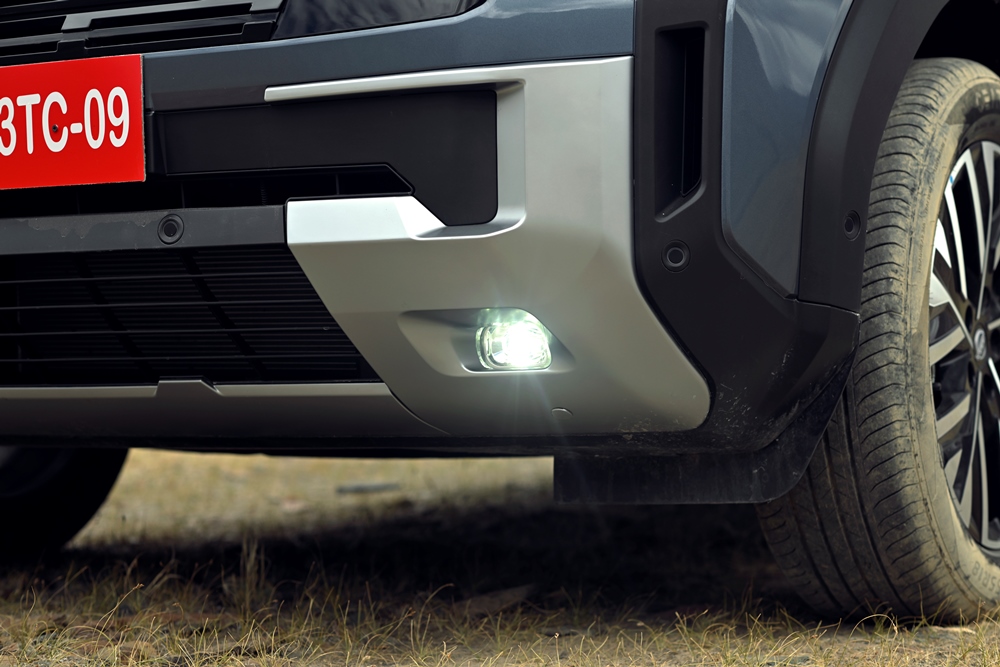
Talking about driving, brings me to the media drive held at the end of July where Nissan Motor India registered a record in the India Book of Records, for the “largest convoy of a single-model four-wheeler to reach Leh”. Yes, a convoy of 60 Nissan Tekton SUVs embarked on a five-day and 700 km Himalayan drive starting from Chandigarh at 1,053 feet to Leh at 11,480 feet. The highest pass enroute was Shinku La at 16,703 feet.
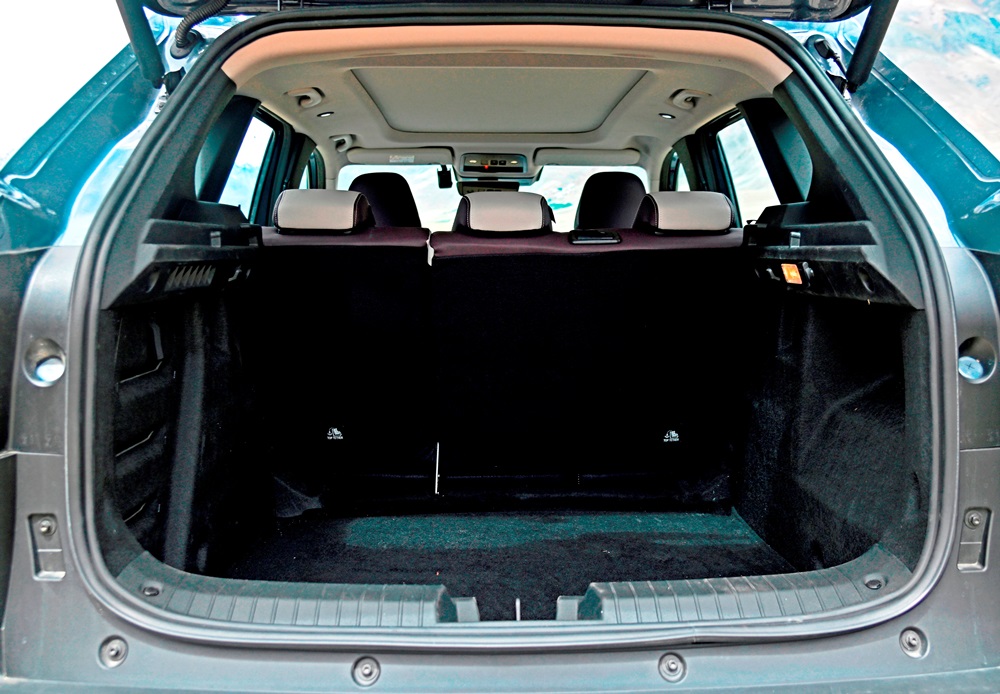
While I was invited for the drive and was there at the flag-off at Chandigarh, I could not go on the actual event due to some prior commitments. But full credit to Nissan for attempting and pulling off such an ambitious drive. And that too, in terrain that can and did, expose some of the weaknesses of the Tekton.
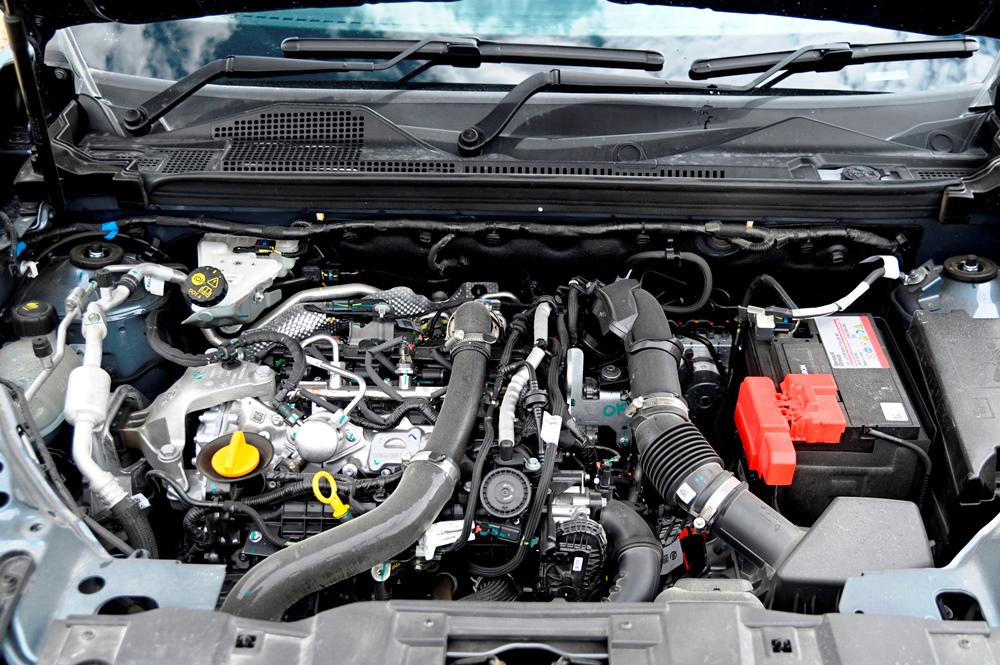
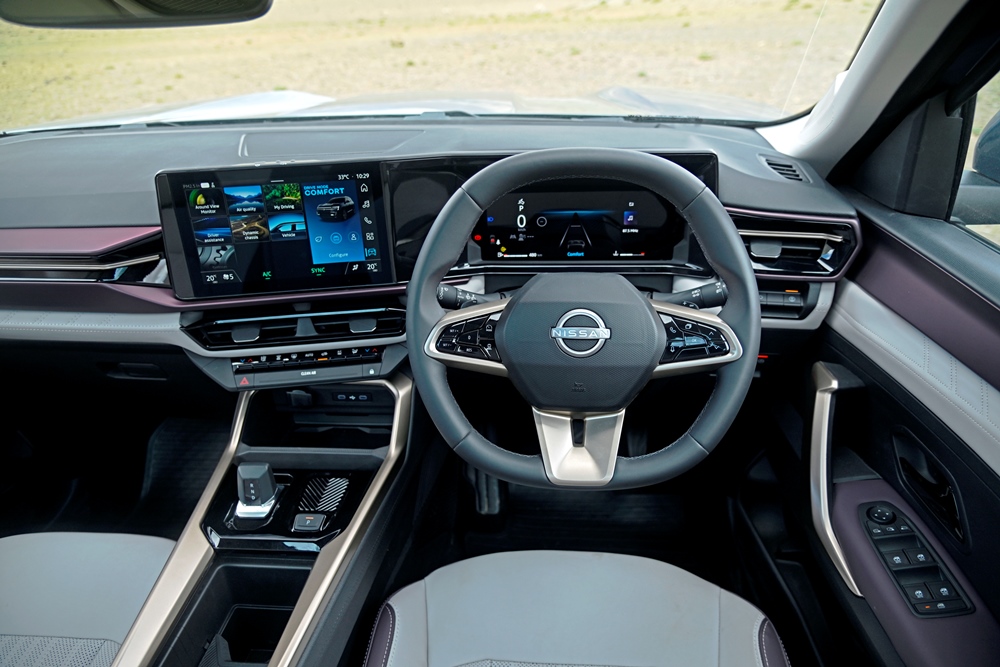
Go through the many reports of the drive and what comes through clearly is praise for the performance of the suspension and comfortable ride throughout. The passenger compartment, and so on, have also been appreciated. But few, amongst which are some names I respect, have also talked about the power and performance of the engines that drive the Tekton. Weighing 1,340 kg for the 1.0-litre variant and around 1,461 kg for the 1.3-litre variant, the Nissan Tekton is no lightweight.
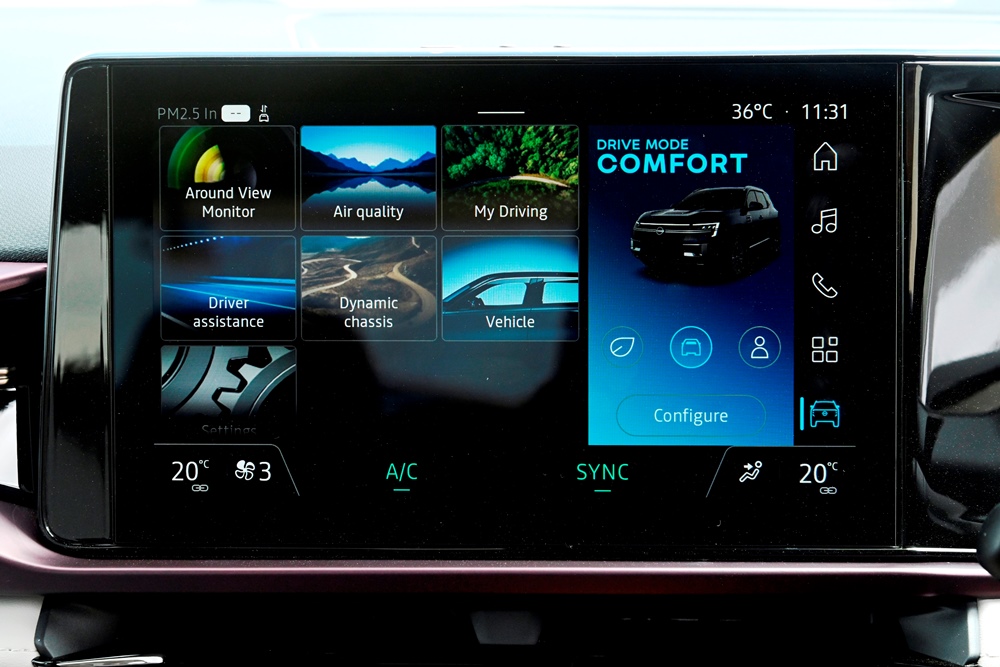
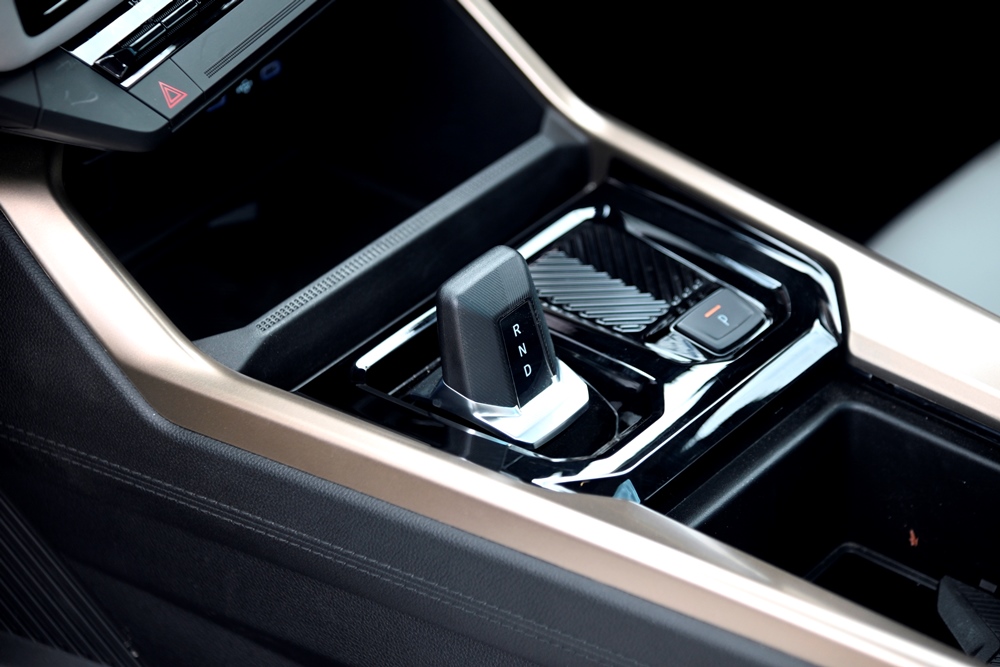
And the engines that drive it are the 3 cylinder 1.0-litre turbo-petrol (T160 MPFI) that produces 99 bhp and 166 Nm of torque, or the 4 cylinder 1.3-litre turbo-petrol (T280 GDi) generating 163 bhp and 280 Nm. The 1.0 litre comes with a 6-speed manual and the 1.3 with either a 6-speed manual, or a 6-speed DCT automatic transmission.
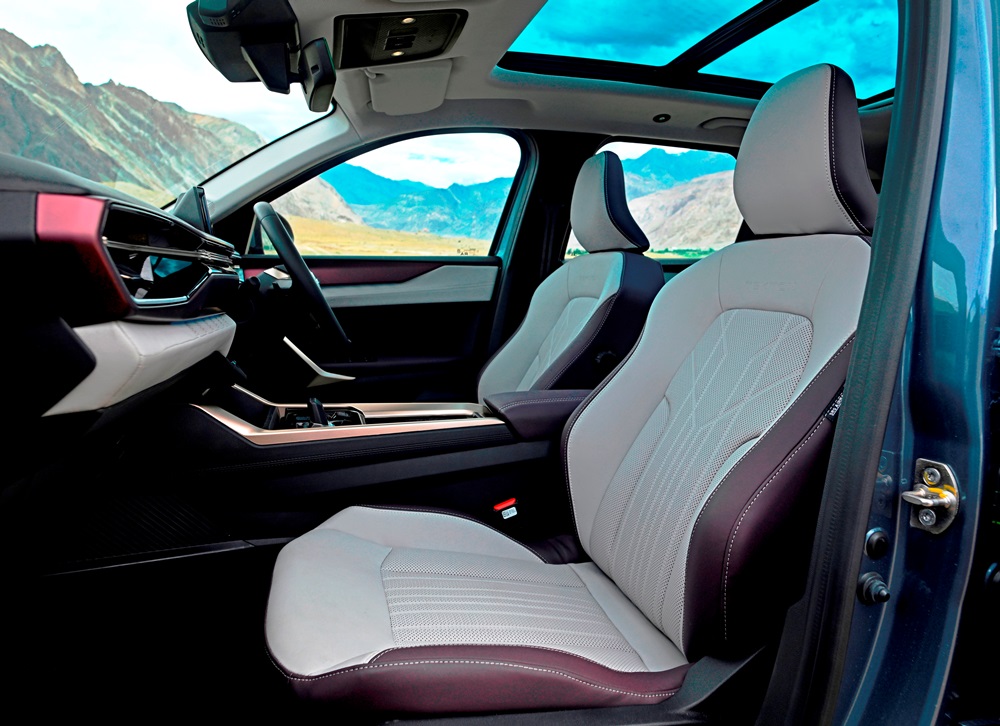
So, given these figures, its obvious that the power to weight ratio of the Nissan Tekton is not great and its not going to set the streets on fire. However, in most driving conditions, especially in a not so high-speed market like India, neither of the variants of the Tekton would feel really underpowered. But take them to the high and demanding Himalayas, where the slopes are steep and air rarefied, and it’s a no brainer that these engines, especially the 3 cylinder one, will struggle. Therefore, full compliments to Nissan India for putting their faith in their latest product the Tekton, and backing it with so much commitment.
I am sure they were fully aware that the Himalayan heights and slopes would show up the lack of horses packed in the small engines, but the fact that Nissan still chose this challenging territory to showcase the Tekton, speaks volumes of their confidence and conviction in it. As for me, as I have already said, I am smitten by the looks of the “Handsome Nissan Tekton”. Just hope in time to come – Nissan puts in a more powerful engine to “give the show – the go”.
Bob Rupani is a born car lover and avid automobile enthusiast who has spent some of the best times of his life behind the steering wheel.