Gedee Car Museum’s founder G.D Gopal enters FIVA Heritage Hall of Fame. Museum’s new “Performance Car Section” inaugurated too.
On 17th October 2025, G. D Gopal, son of the famed inventor G. D Naidu (often called the ‘Edison of India’), was inducted into the FIVA Heritage Hall of Fame awards, which celebrates both world-famous figures and unsung heroes in the history of the automobile.
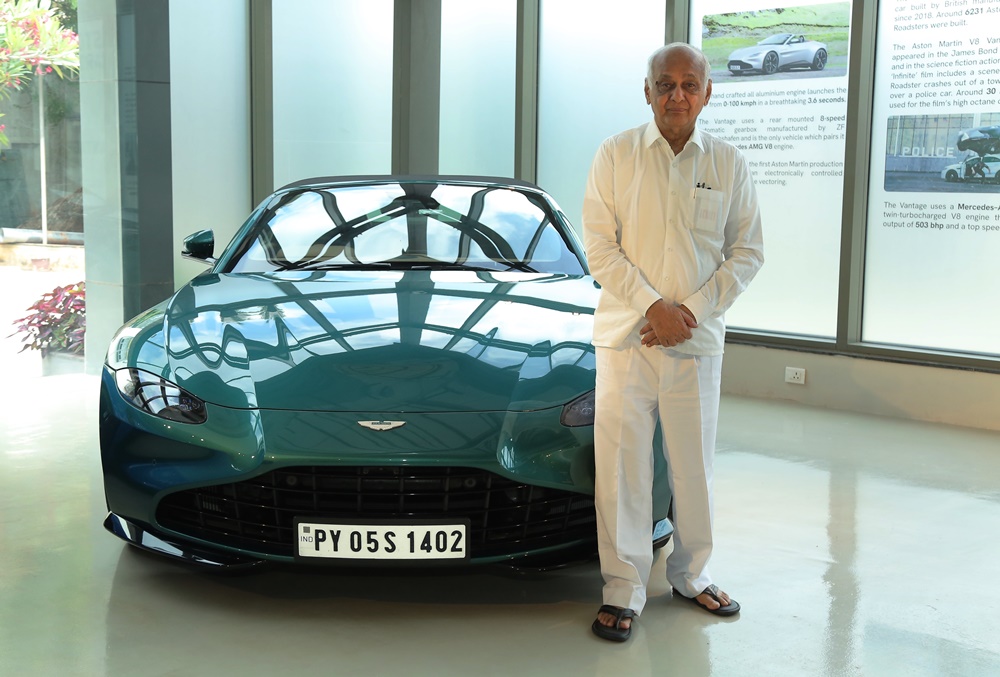
G.D Gopal is clearly one of the unsung ones, because most people (in our country or even elsewhere) do not know of this humble but visionary man. So all credit to FIVA (the Fédération Internationale des Véhicules Anciens or international federation of historic vehicles) for picking such a worthy winner.
Past winners of the famed FIVA Heritage Hall of Fame awards include the likes of Osamu Suzuki, the late former chairman of Suzuki Motor Corporation, who formed the now game changing joint venture with Maruti in India. Also Soichiro Honda, founder of the Honda Motor Co., Sobieslaw Zasada the incredible rally driver, Cesare Fiorio a leading figure in global motorsport and former race manager Ferrari, and Walter Rohrl, the “God of Rally Drivers” who has also been voted champion of the millennium by his peers.
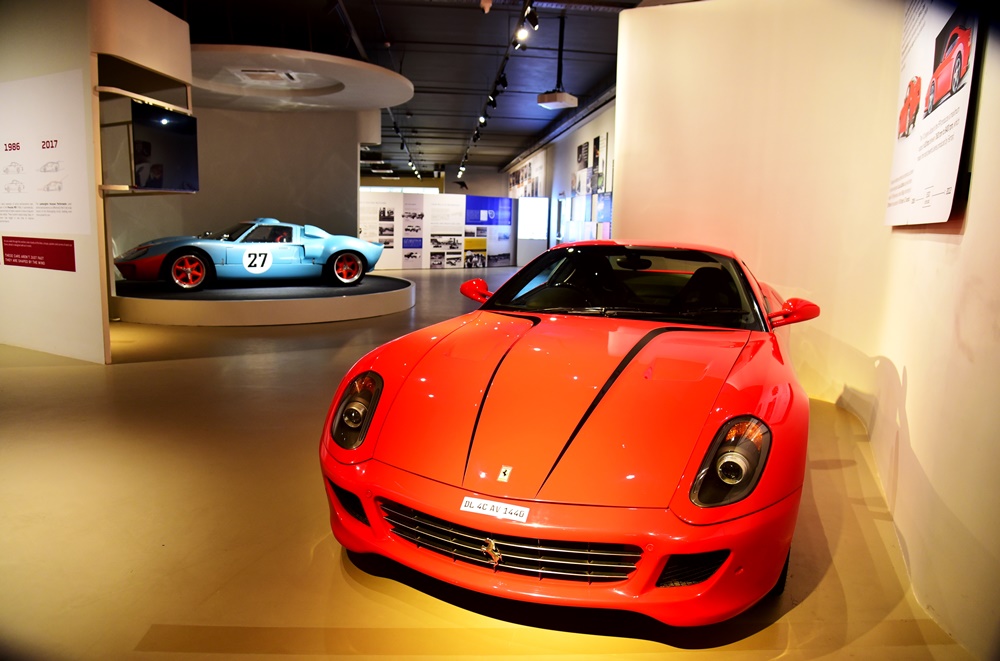
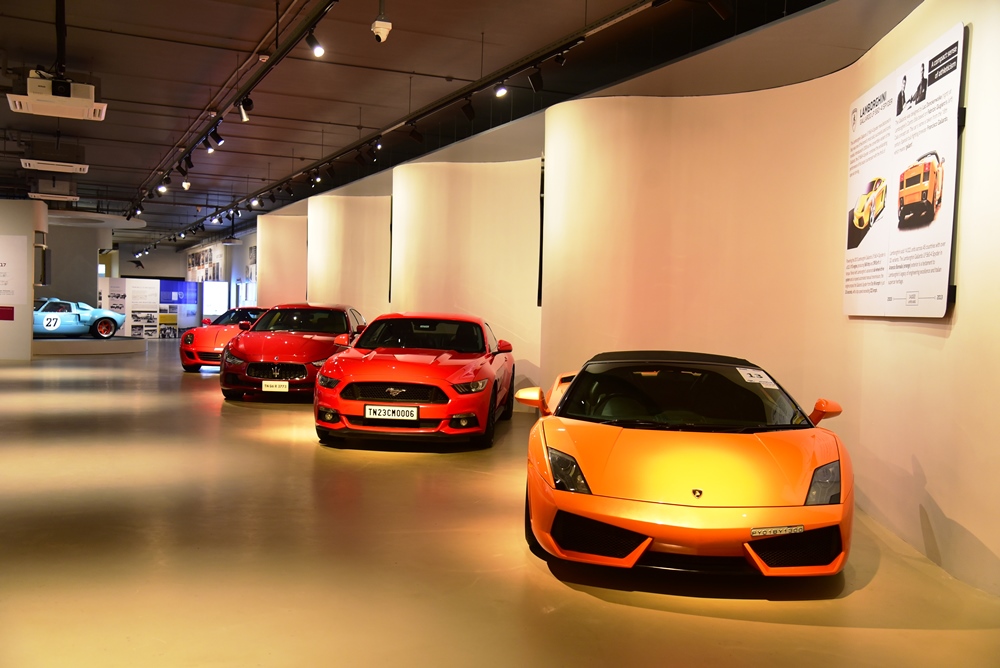
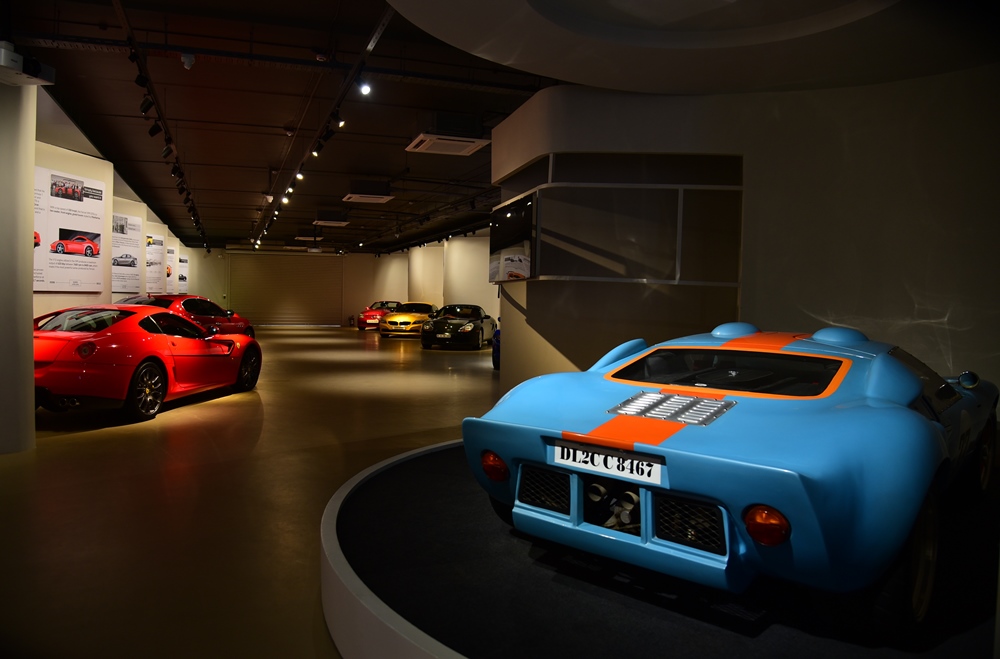
Like his late father G. D Naidu, G.D Gopal, is also an avid auto enthusiast, and over the years has collected many cars, especially those that have unique mechanical features or have significantly influenced the evolution of the automobile. In 2015, the inventive G.D Gopal also founded and opened the Gedee Car Museum in his home city Coimbatore.
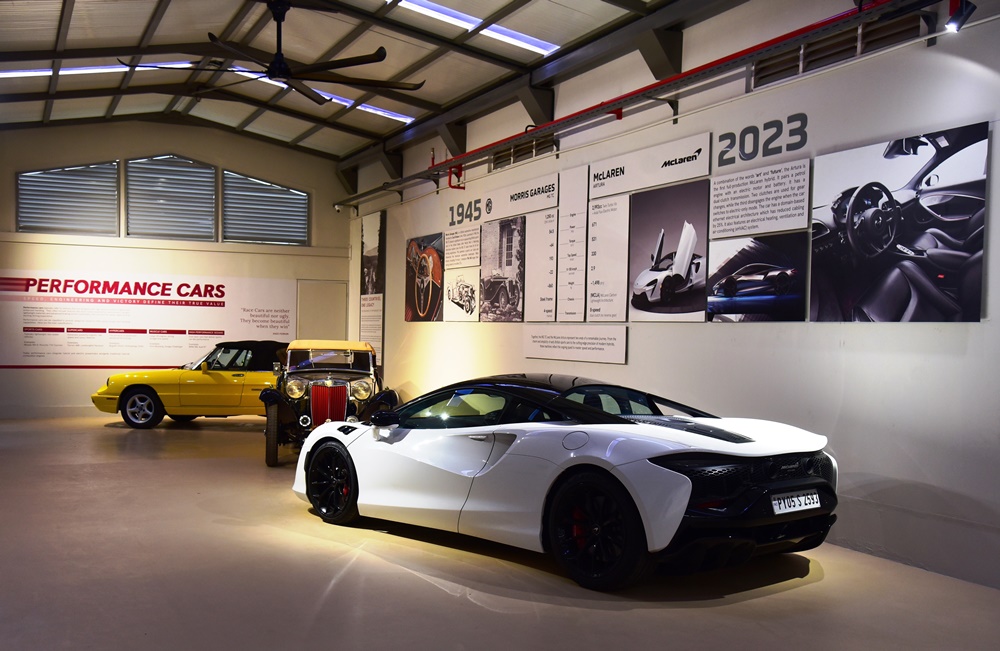
The main objective of this museum with over 100 vehicles spanning all eras, is to inspire students and also the general public, and make them aware of the technologies and the people behind designing and manufacturing these incredible machines that are now part of the rich legacy of the mechanical and design evolution of the motorcar.
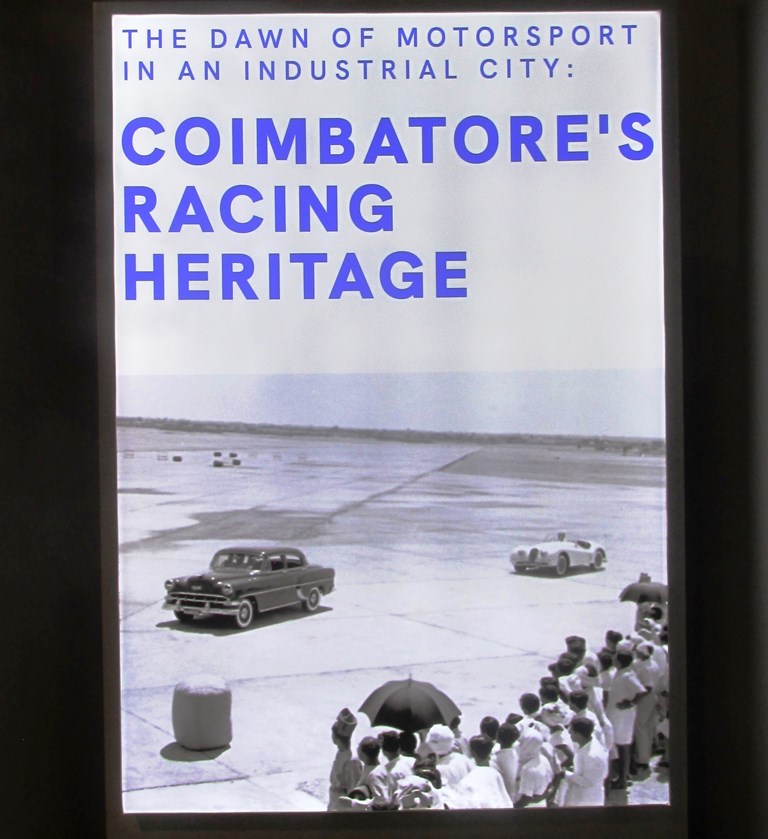
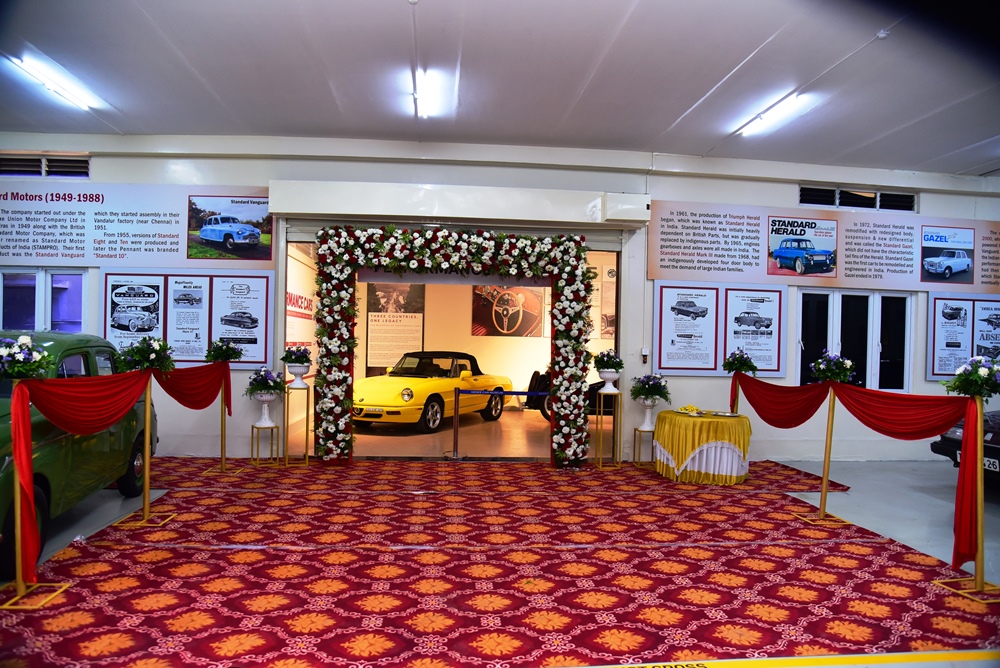
Soon after the FIVA Hall of Fame award giving ceremony, the new “Performance Car Section” located within the Gedee Car Museum, was inaugurated by Ramin Salehkhou, Vice President Communications, FIVA. This “Performance Car Section” has 25 cars, and what I am particularly thrilled about is that 8 of these have been made and raced in India. Yes, all these are an integral part of our motorsport heritage and provide a wonderful glimpse of track racing in our country right from the 1970s.
This portion is the brainchild of G.D Gopal’s son G.D Rajkumar, Trustee of the Gedee Museum, who is very impassioned about the contribution of Coimbatore to Indian motorsport. He says this section is a tribute to all the racers, tuners, fabricators, and component makers of Coimbatore. He hopes youngsters and the future generation will not just learn, but also be inspired by all those who have contributed in making Coimbatore synonymous with the finest built Indian race and rally cars. Rajkumar also wants to make people aware that some of India’s best race and rally champions hail from Coimbatore and he is extremely keen that this legacy of “Champions of Coimbatore” continues.
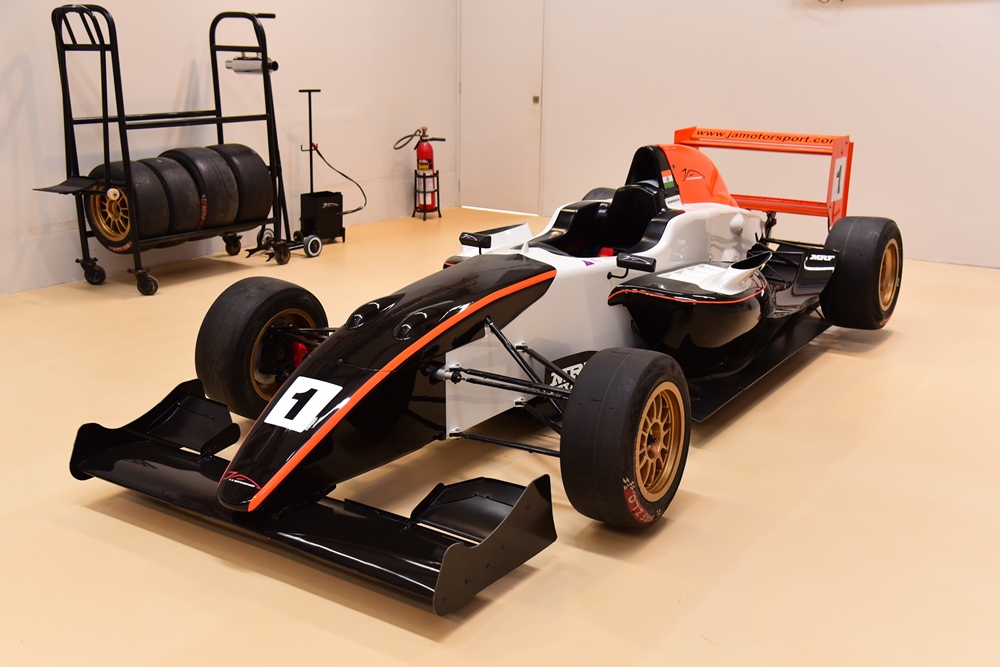
At the same time, he and his father are also very eager that students learn about automobile engineering and the invention and evolution of the automobile, which as mentioned is on display in the main part of museum. And therefore, to reach the more glamorous “Performance Car” segment that houses famed sports and super cars like Ferrari, Lamborghini, Maserati, Aston Martin, Lotus, Alfa Romeo, and so on, all visitors have to go through the main museum. That way they see all the other exhibits before getting to the fast and sporty cars, which are more likely to appeal to them. Of course, they are also more selfie-worthy material.
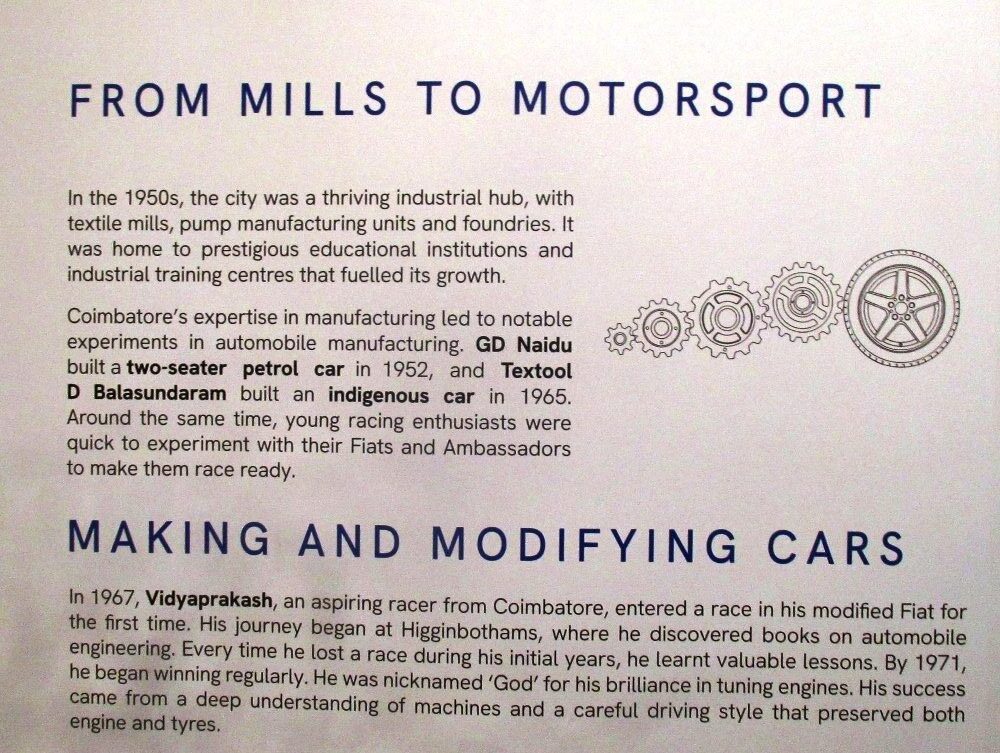
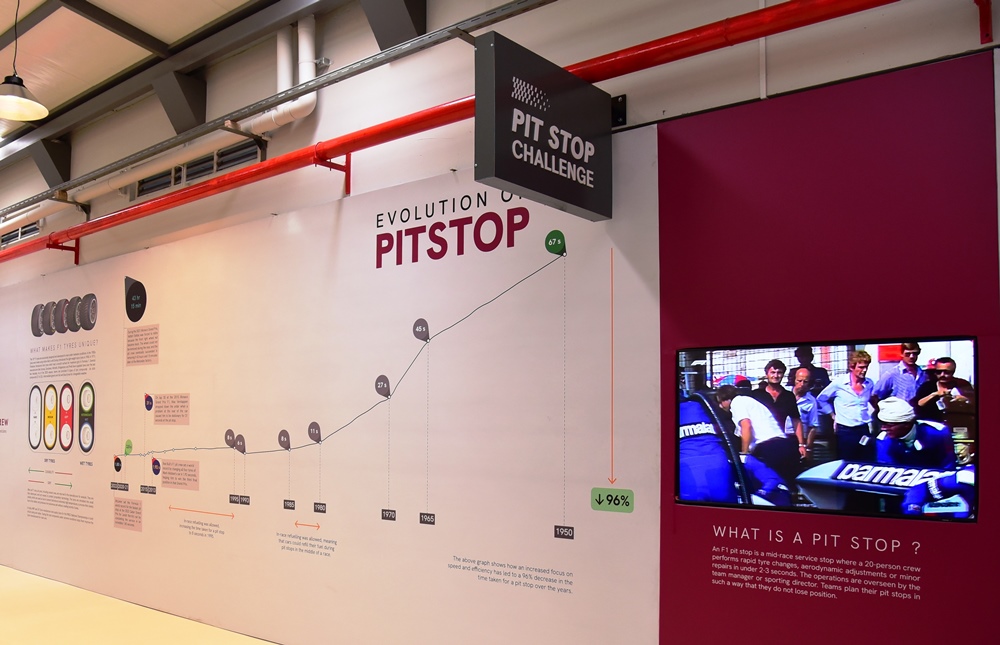
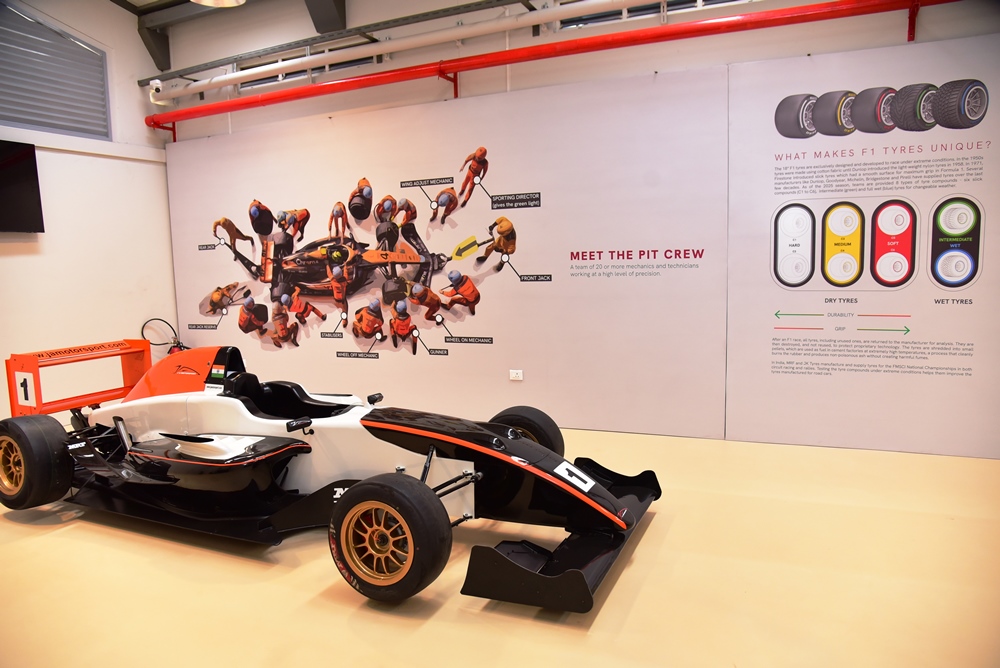
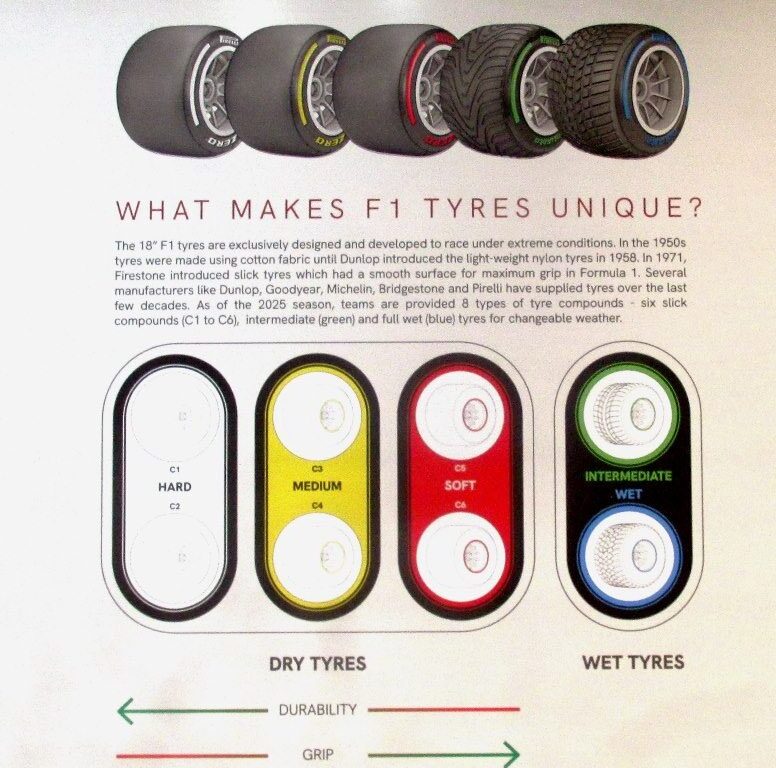
Interestingly, there is also a pit stop arena. Here you not only learn about how significant pit stops are in most forms of racing, but students can also compete in a pit stop competition and practically learn about the technologies and amazing coordination that goes into a perfect pit stop.
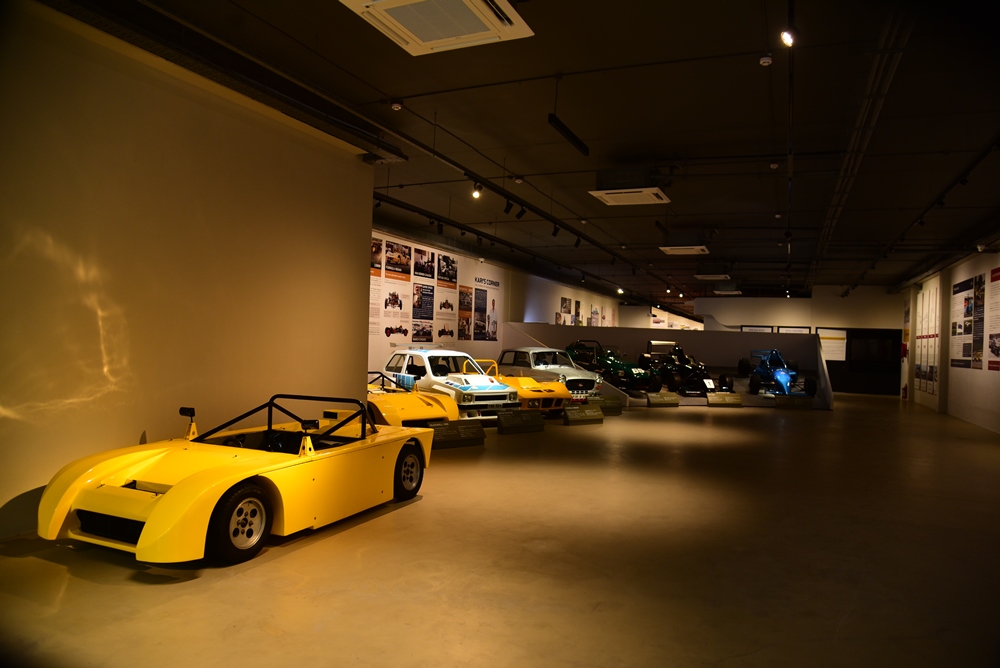
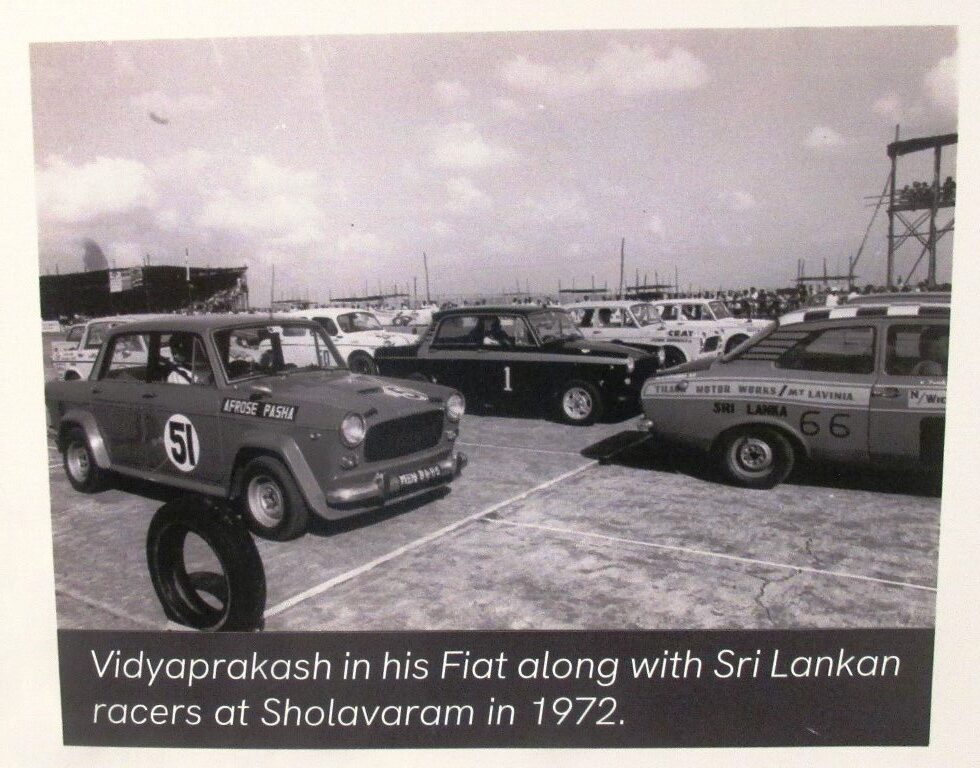
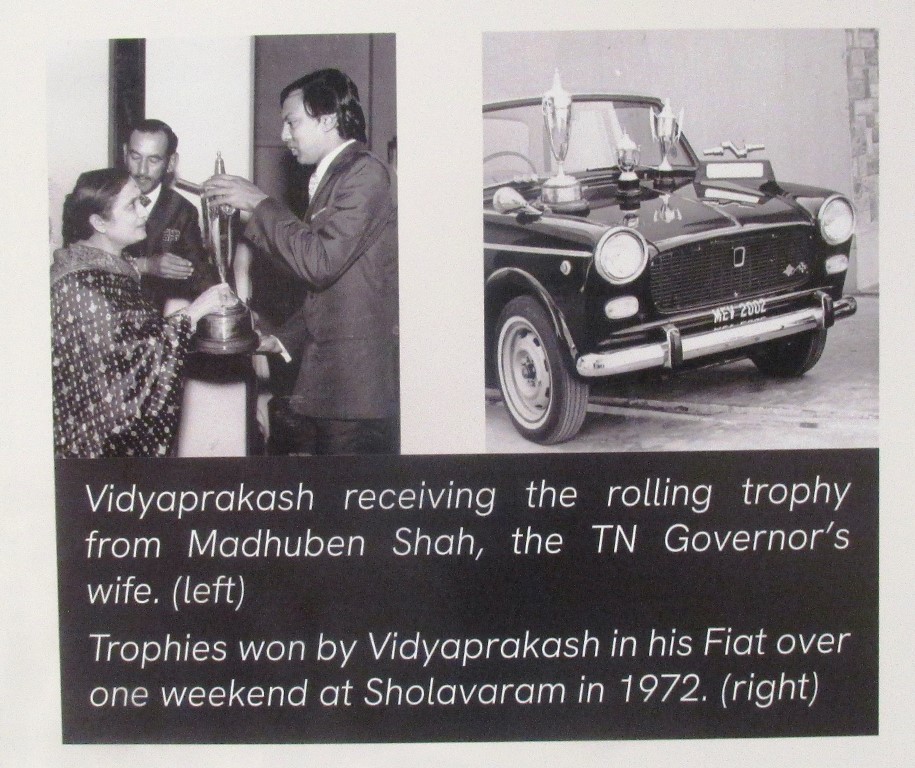
As a matter of fact, the focus on spreading knowledge is everywhere with some creatively done info graphics, wall posters, screens with old video footage, and so on, all telling the story of Coimbatore’s racing heroes and legends like the late Kari (S. Karivardhan). The museum also displays some nice old photographs that evoke nostalgia, especially in someone like me who has actually been fortunate to witness some of these cars and the great men who raced them.
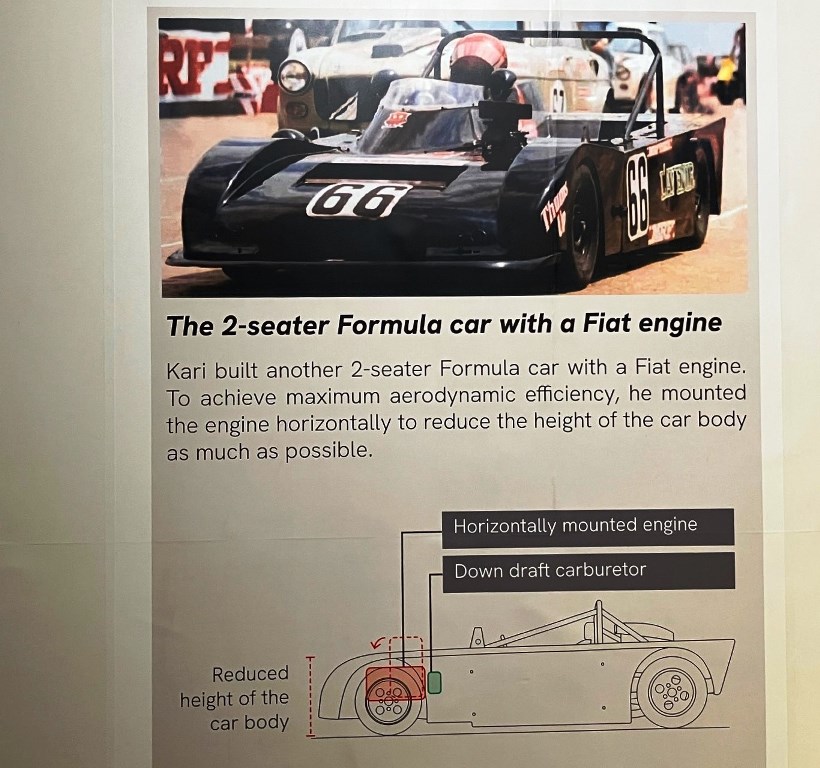
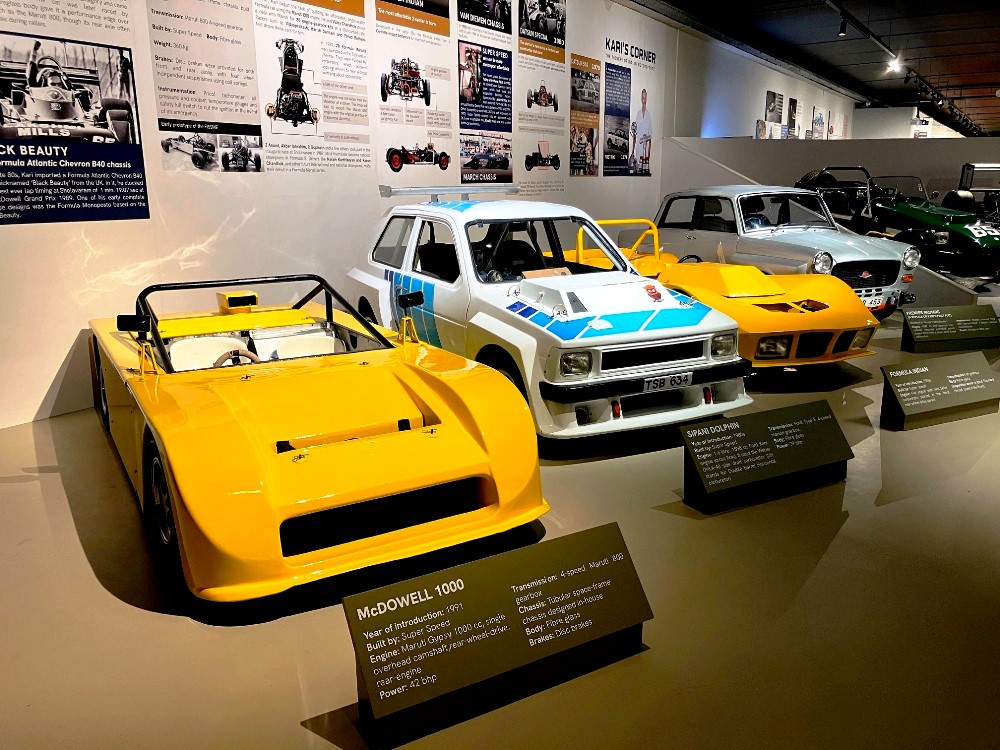
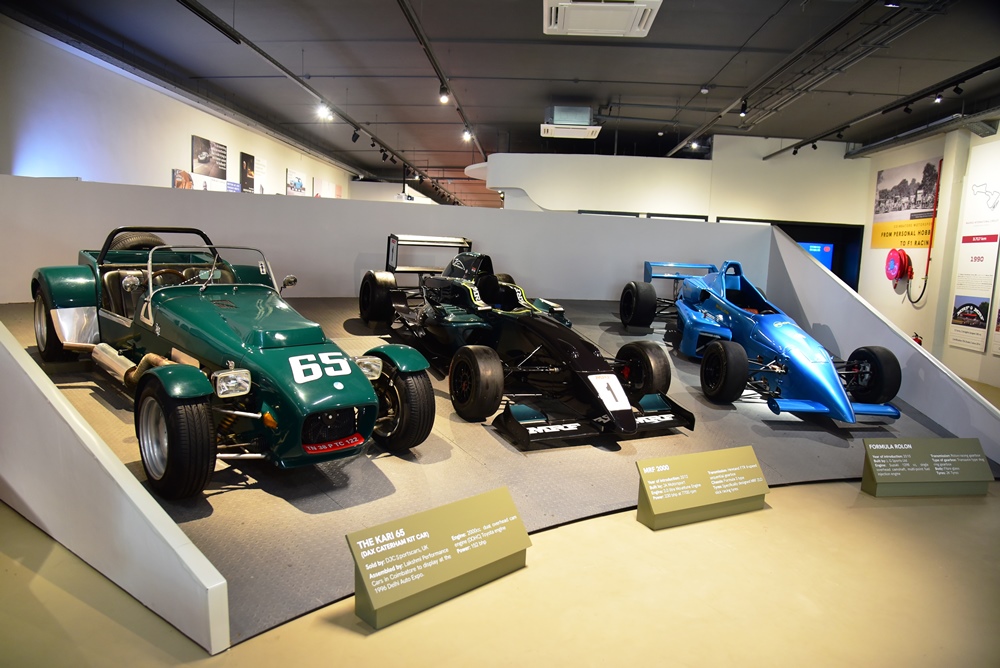
The highlight for me is the showcasing of Formula India or Formula Indian cars, which has never been done anywhere before. This was a popular category of racing in our country in the 1980s and 1990’s, where you were allowed to use engines and parts from Indian vehicles and make a two seat prototype race car. These were meant to be closed wheel racing cars with the bodywork covering all the mechanical parts. The shapes and body styling were largely up to the designer or builder, and things like spoilers and wings could also be used to improve aerodynamics and grip.
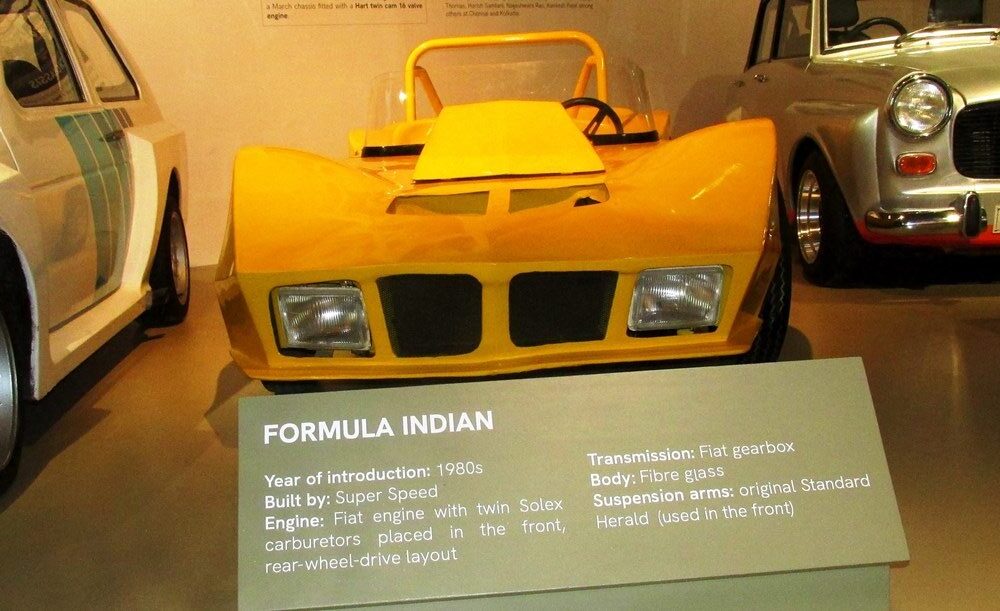
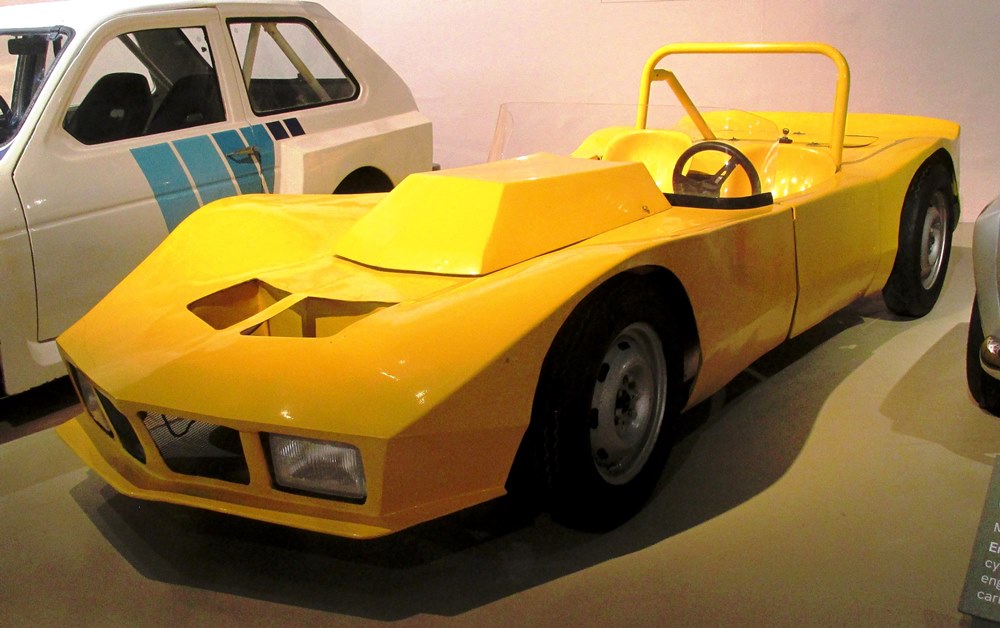
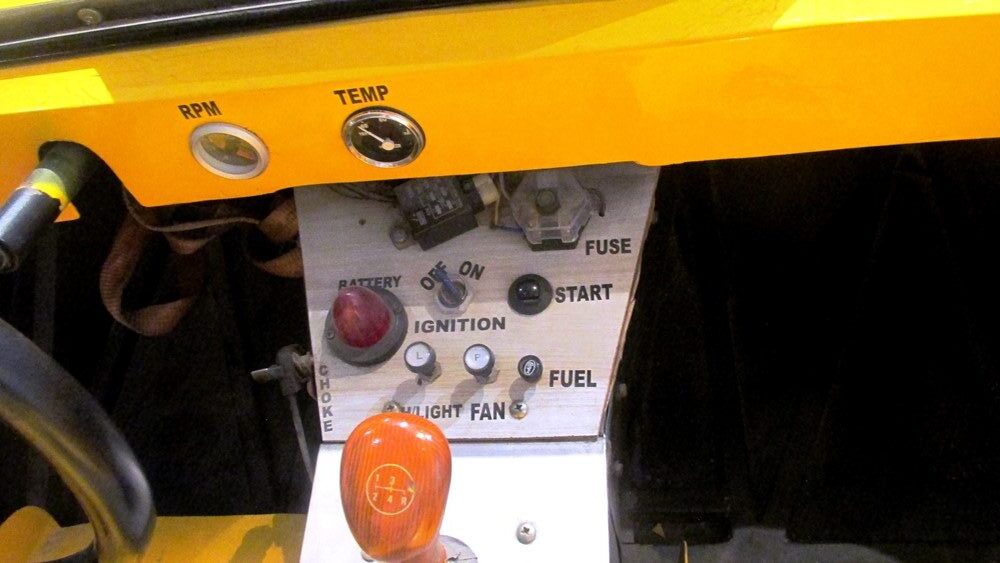
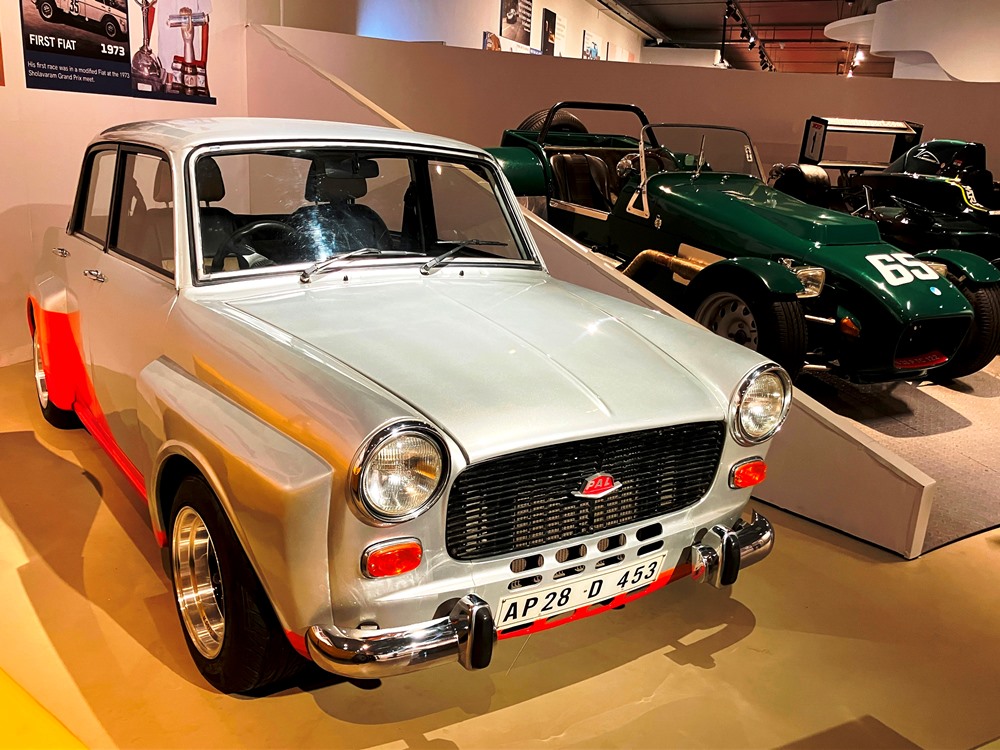
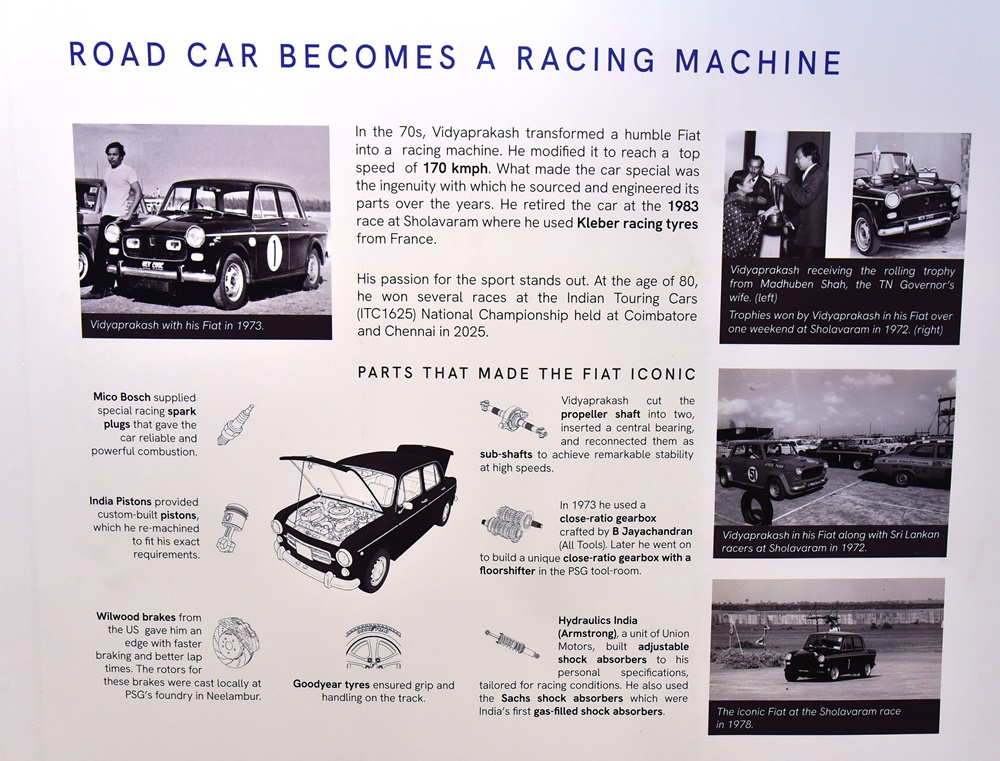
While these were not as fast as the single seat race cars like the Formula Fords, Formula Atlantic, Chevrons, etc, that some enthusiasts imported and raced at Indian tracks like Sholavaram, these Formula Indian cars were much quicker and handled better than the highly modified Indian street cars like Fiats and Heralds, and even the foreign sports or touring cars that were being used in our country for racing at that time.
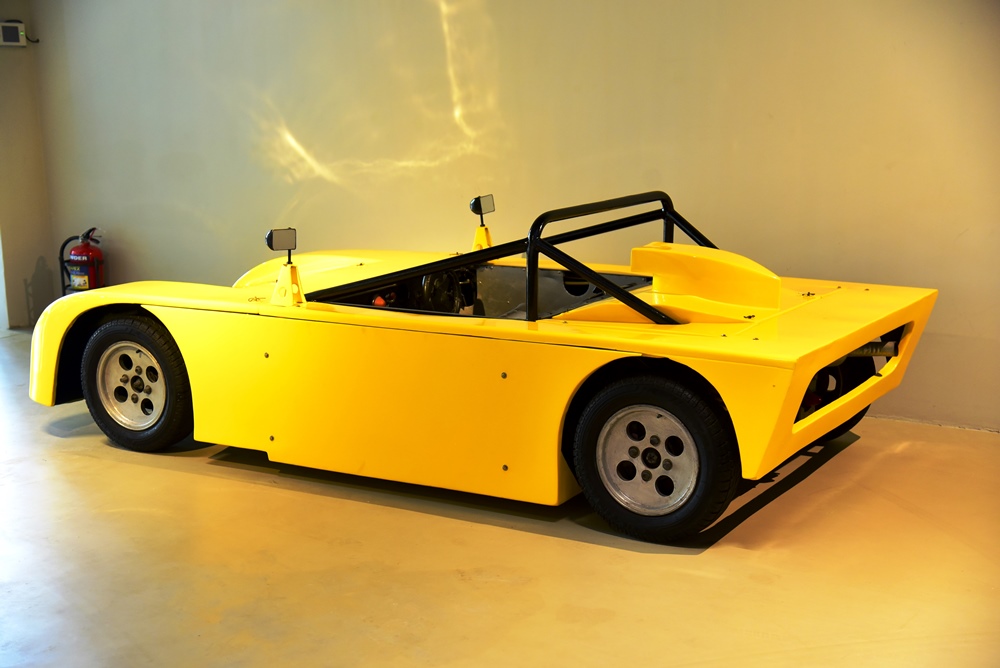
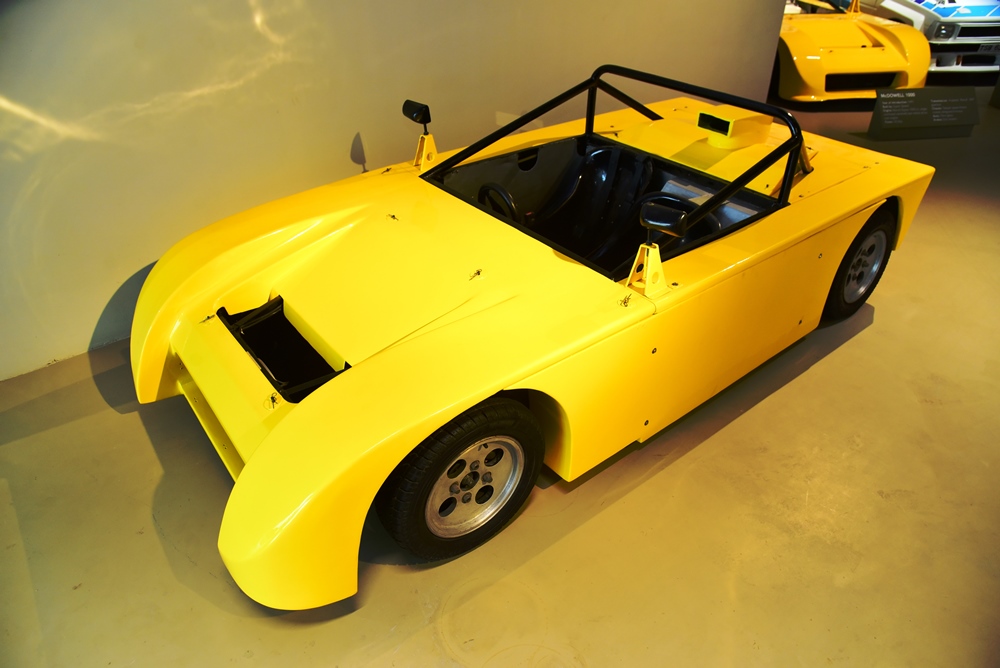
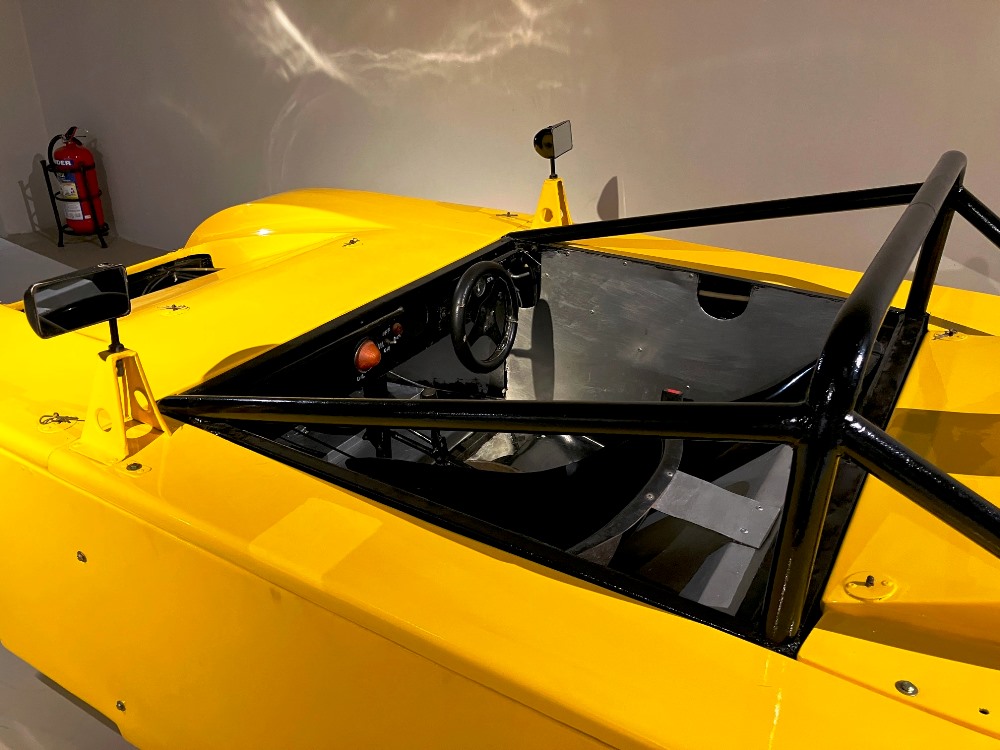
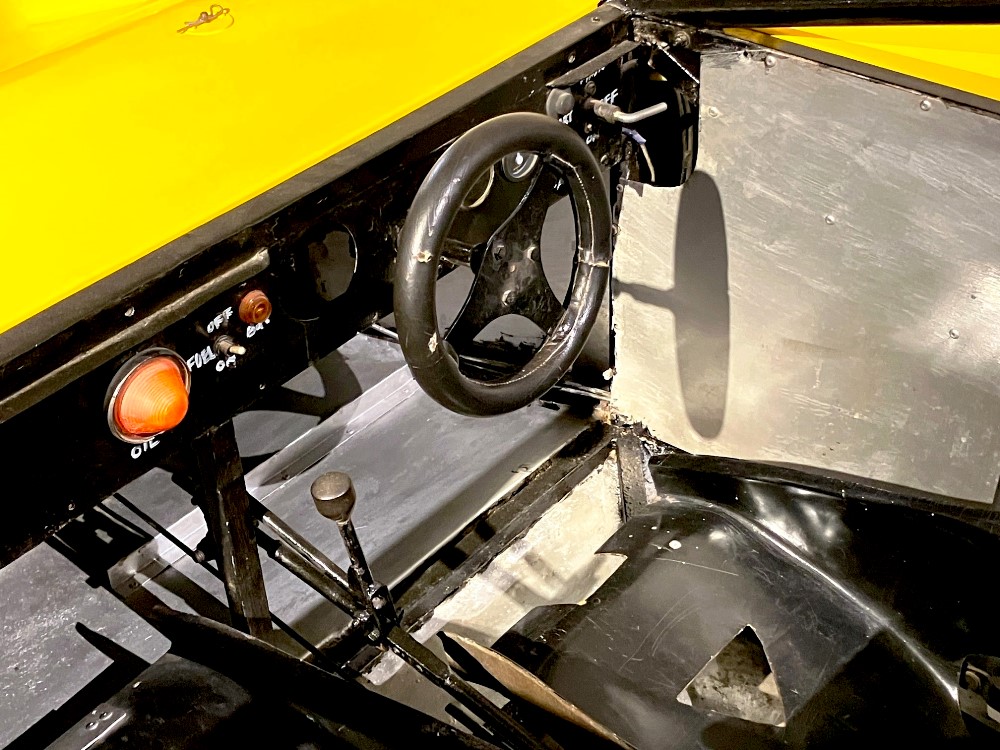
Being one off prototype cars meant that the designers or tuners, could really experiment and innovate, and build cars based on a space frame like structure. Initially, most utilized Fiat (or Premier Padmini) engines and later on, after the Maruti Gypsy was launched in 1986 with a 4-cylinder 1000 cc petrol engine, this was also used. In fact the Mcdowell Formula Indian that is on display at the museum is known as the 1000 due to this engine’s cubic capacity.
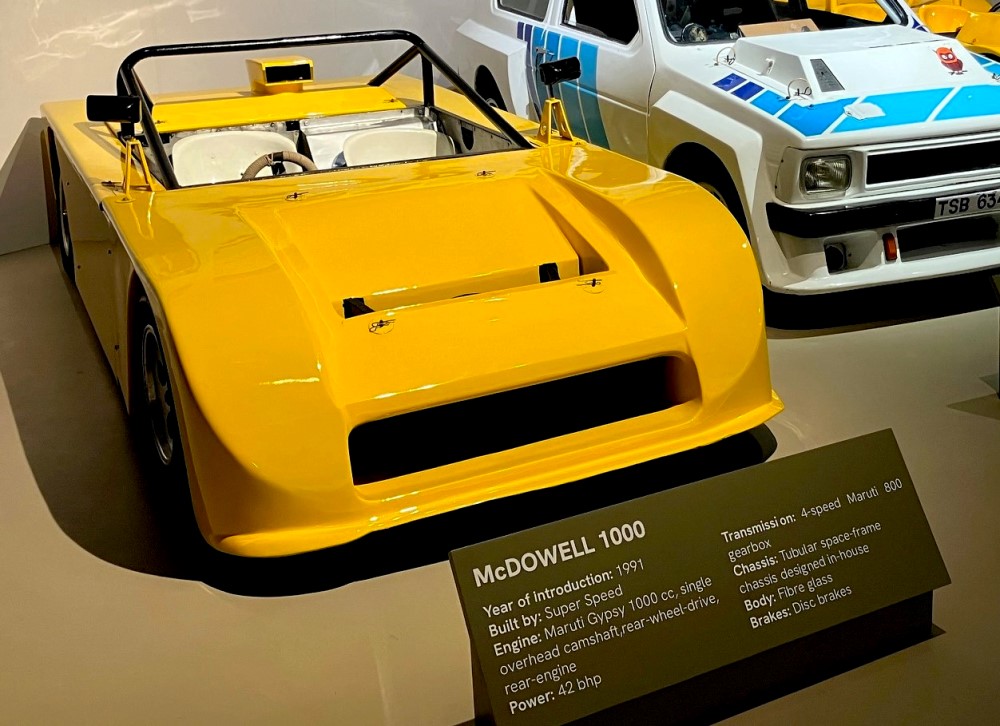
This Mcdowell 1000, along with the Black Beauty built by Kari, was very successful and regularly crossed the finish line ahead of others. Many tuners built such Formula Indian cars including the likes of Adi Malgham, Nazir Hoosein, Jayaram Family, Suresh Naik, Chubi Lalwani, etc. Amongst the drivers who successfully drove Formula Indian cars were names like Kari, Ravi Gupta, Kamlesh Patel, Vicky Chandok, Dr. Saboo, Darayus Bhatena, Sunil Shanbag, Pradeep Nair and so on. If I have missed any significant names, it’s purely unintentional, and due to faint memories
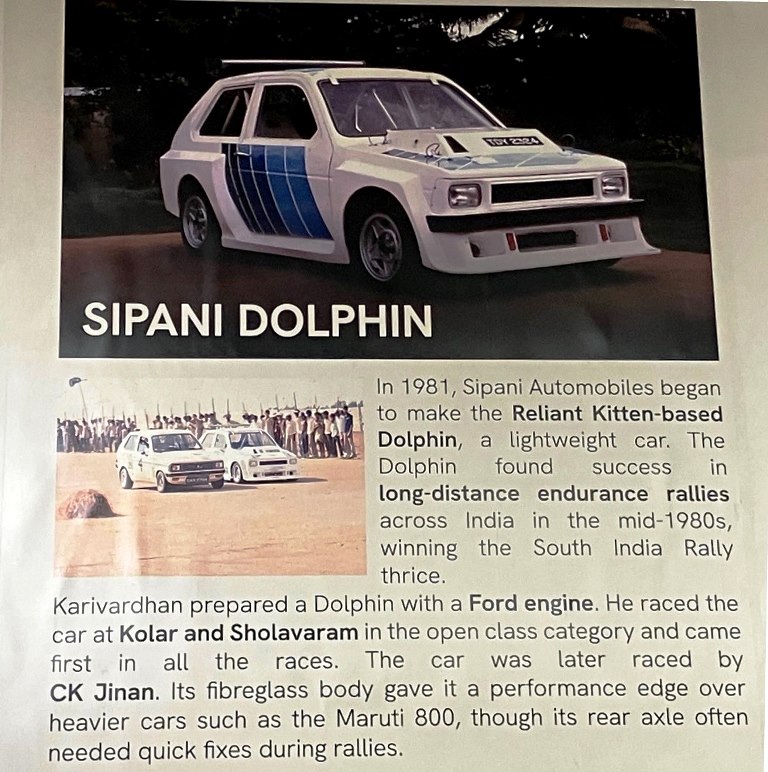
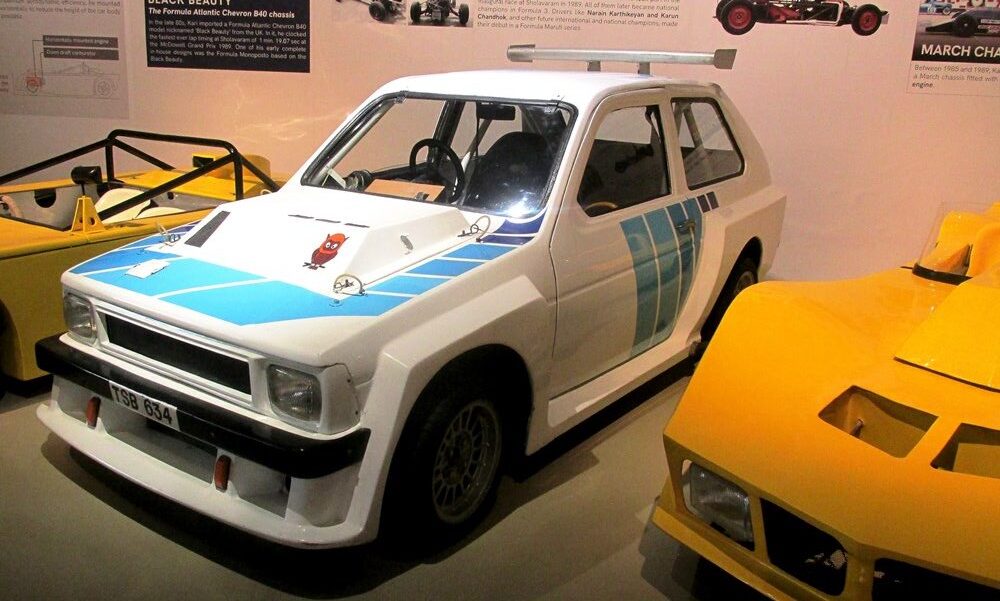
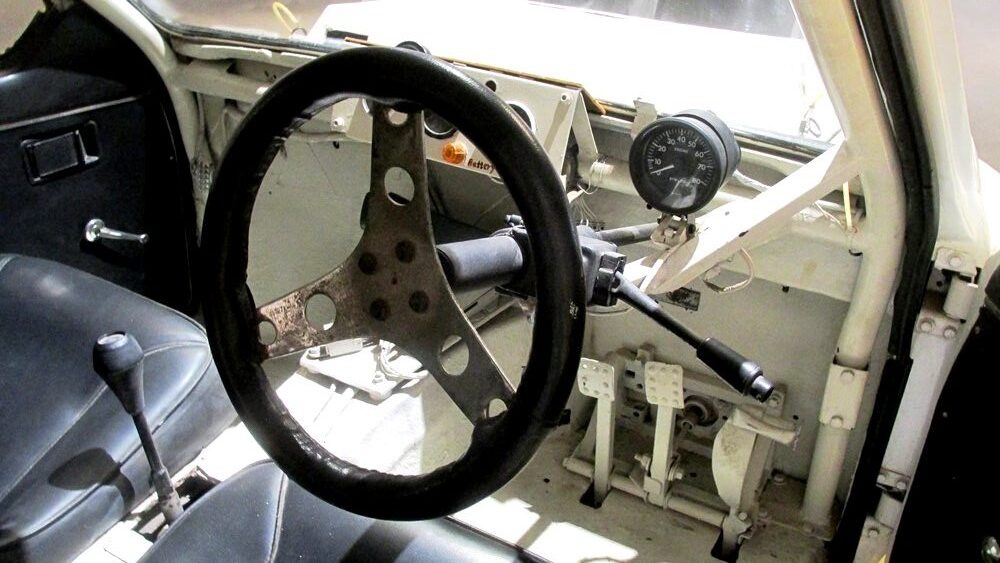
These Formula Indian cars hold a very special place in my heart as I not only saw some of these cars being raced, but also witnessed few being built. And I can never forget an amazing flat-out late night drive around Dadar, in Bombay (now Mumbai). It was when Suresh Naik was testing the “Hanuman Special” (yes some of these cars were given beautiful names) that he was tuning and allowed a young and excited me, to squeeze in and ride shotgun with him.
The exposed side exhaust of the “Hanuman Special” shattered the silence of the night like a low flying fighter jet and Suresh Naik, always the aggressive pilot (driver) was bringing all his immense skills to bear and flooring the throttle through most corners. We even went around the Dadar TT circle in both clockwise and anti-clockwise direction couple of times, to check the handling and required suspension and wheel alignment settings. What a memorable ride!
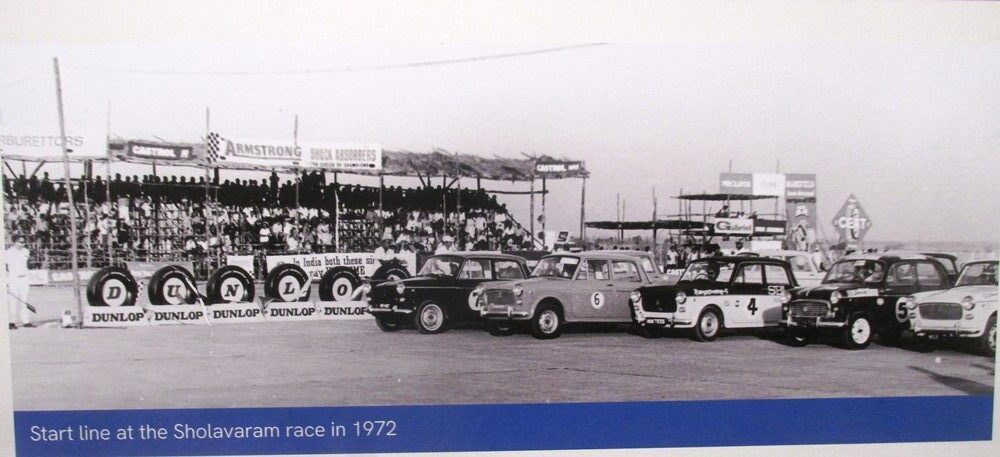
While I am delighted that few of these Formula Indian cars will be preserved and showcased at the Gedee Museum, what is disappointing is that we have lost so many of these wonderful cars due to neglect and not having the foresight to save them for posterity and future generations who could have got an insight into one of the most glorious periods of Indian motor racing.
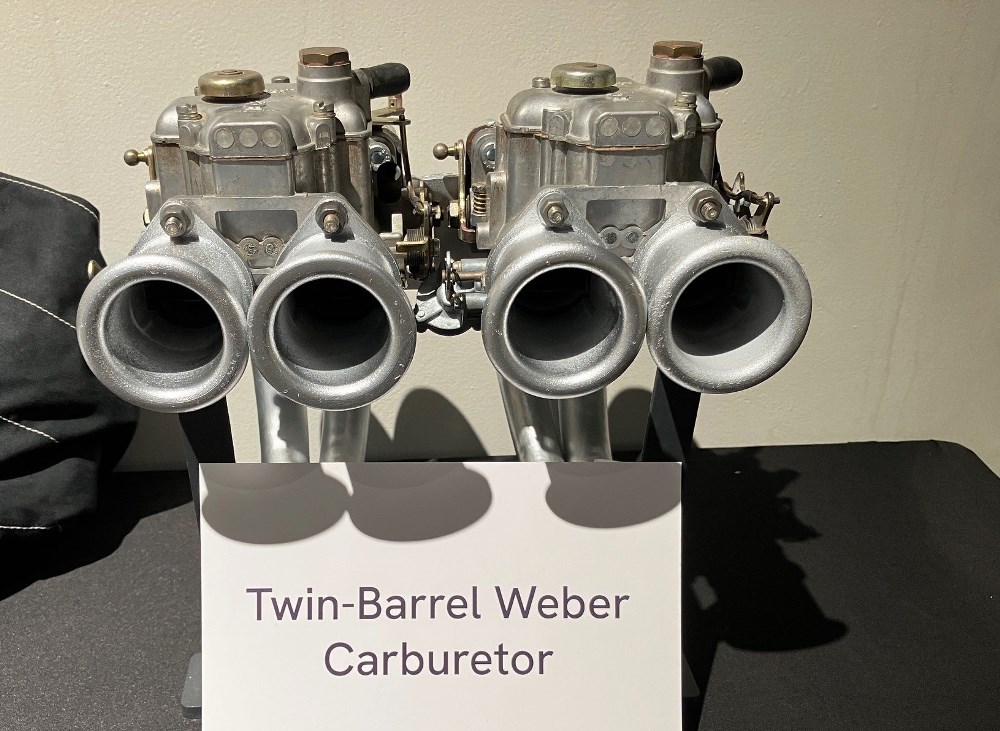
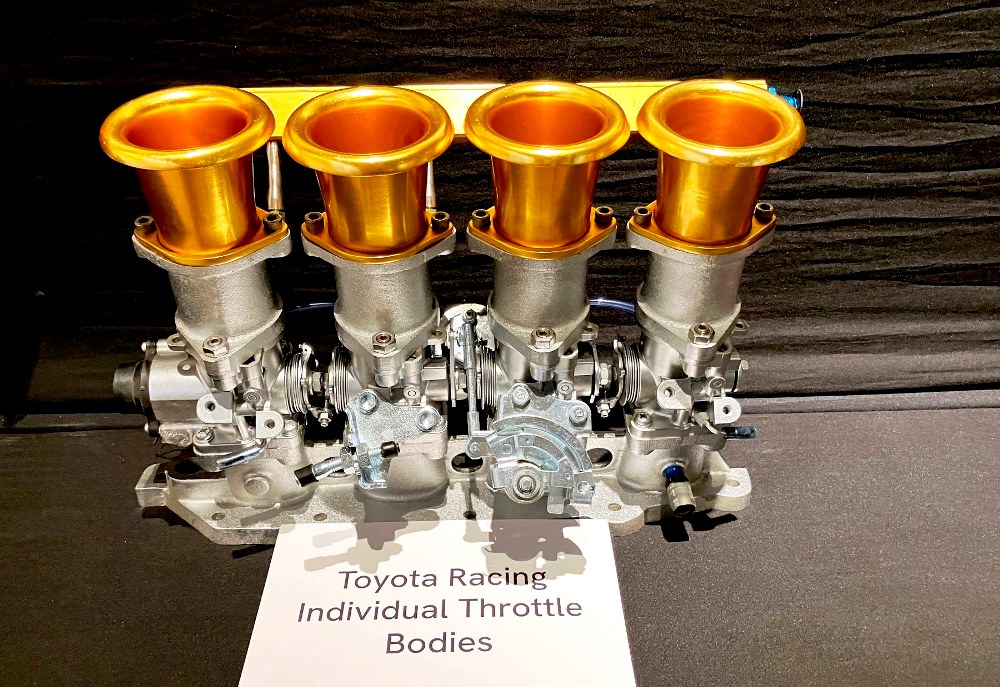
This actually is a tragedy of our country, where we don’t value our heritage. And in this case it’s us auto enthusiasts and motorsport lovers to blame. Hardly anyone has preserved and kept their old race and rally cars. Many have been dismantled or scrapped, while some have just been lost to the vagaries of time. Except for a handful of enlightened (and extremely fortunate) individuals, most of us have not prevented these cars from being dismantled or destroyed. Fortunately, G.D Gopal and his son Rajkumar have now taken the lead in finding and preserving, and where necessary restoring our old race cars, and hopefully this will inspire others too.
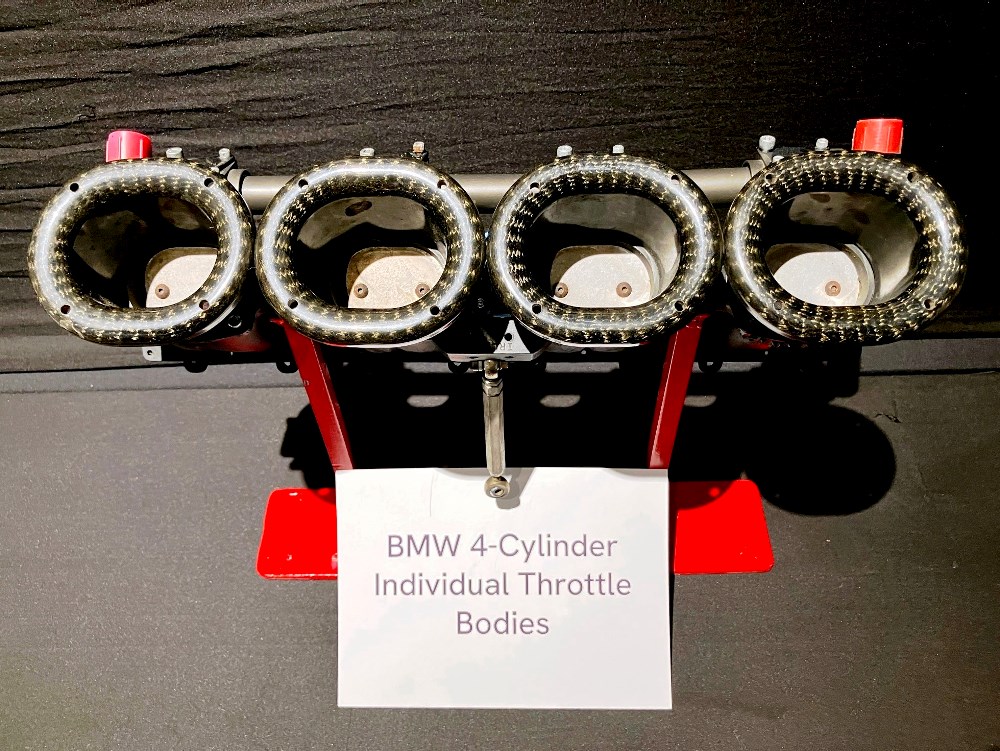
One thing that struck me while going through the museum was that I did not see any photographs of either G.D Gopal or his son Rajkumar. And neither is there any talk of them, or any boasting of their achievements. Yes, the Gedee Museum is completely bereft of any such egoistical displays and it’s clearly apparent that this family is only driven by the cause to spread and impart knowledge. In my view and experience, this is very rare and quite impossible with several other Indian car collectors, who can’t get enough of blowing their own horns.
Whenever you are in Coimbatore, please do plan a visit to the Gedee Museum, which so gracefully promotes automotive culture and heritage. The other sections of this museum (mentioned but not featured here), are also thoughtfully laid out and well worth seeing. Stay tuned for couple of more feature stories on the other sections of this must visit museum.
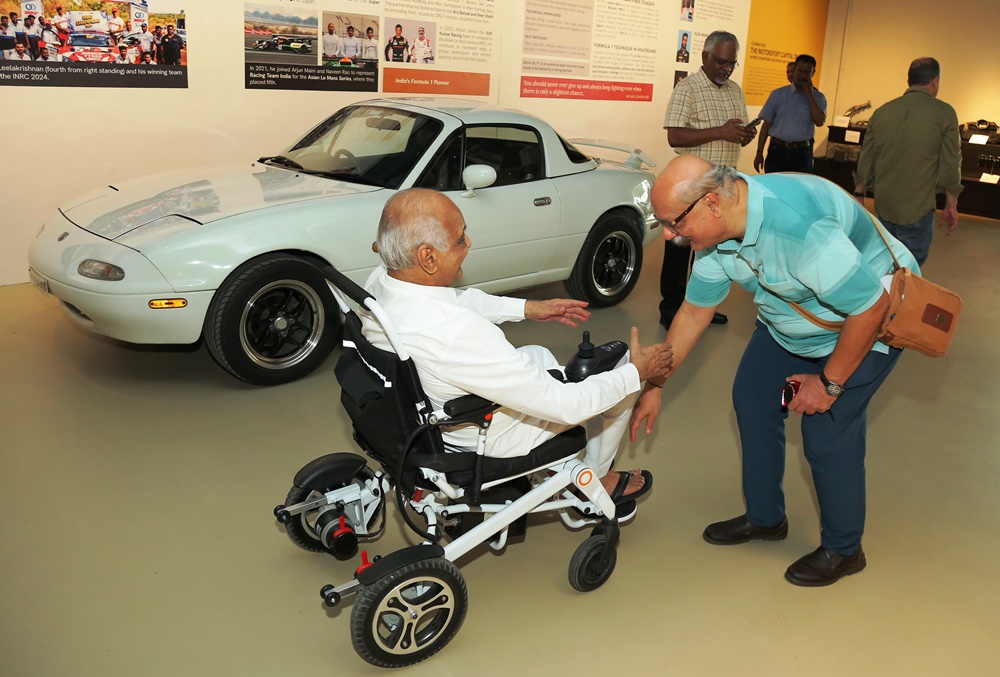
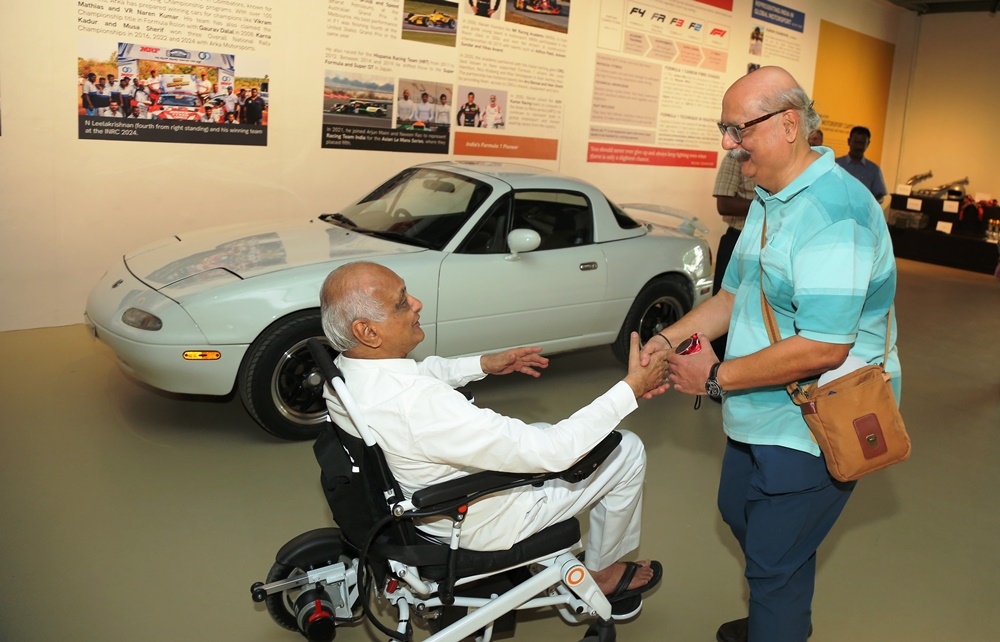
Photos- Bob Rupani and Gedee Museum
Bob Rupani is a born car lover and avid automobile enthusiast who has spent some of the best times of his life behind the steering wheel.