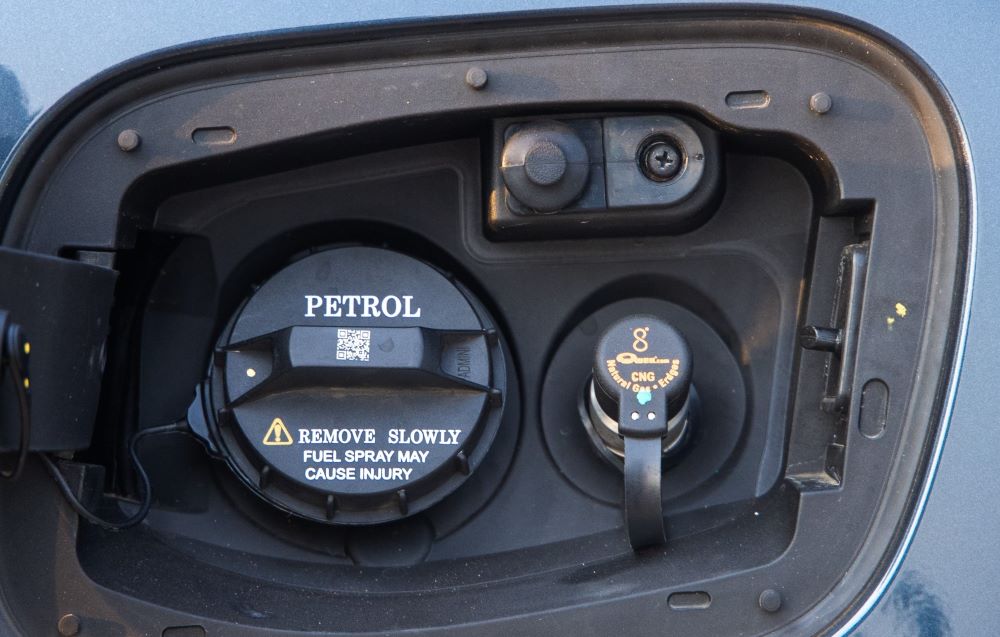
This is the only petrol and CNG (bi-fuel) car in India that delivers the same power and torque on both fuels.

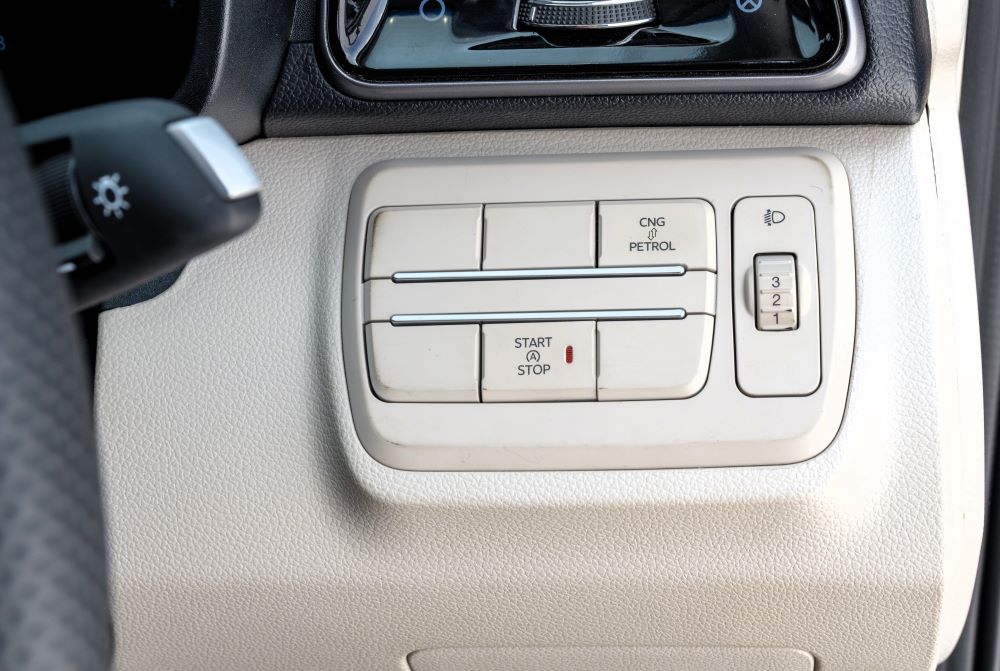
Petrol or CNG? Press button – move to petrol combustion. Let it idle, then rev the engine, hear the sound, feel the response and then drive. Again, push button move to CNG combustion. Let it idle, rev, hear the note, check response and drive. Try again. Once more. Is there any difference? Or any hesitation. How can it be? Repeat the test. Check response and performance while burning petrol. Now switchover to CNG. Is there any change in the behaviour and reaction of the engine? Or the on-road performance? What – the swapping of fuel is causing no change. How can that be. Check once more. Ah, there, finally found it, a difference.
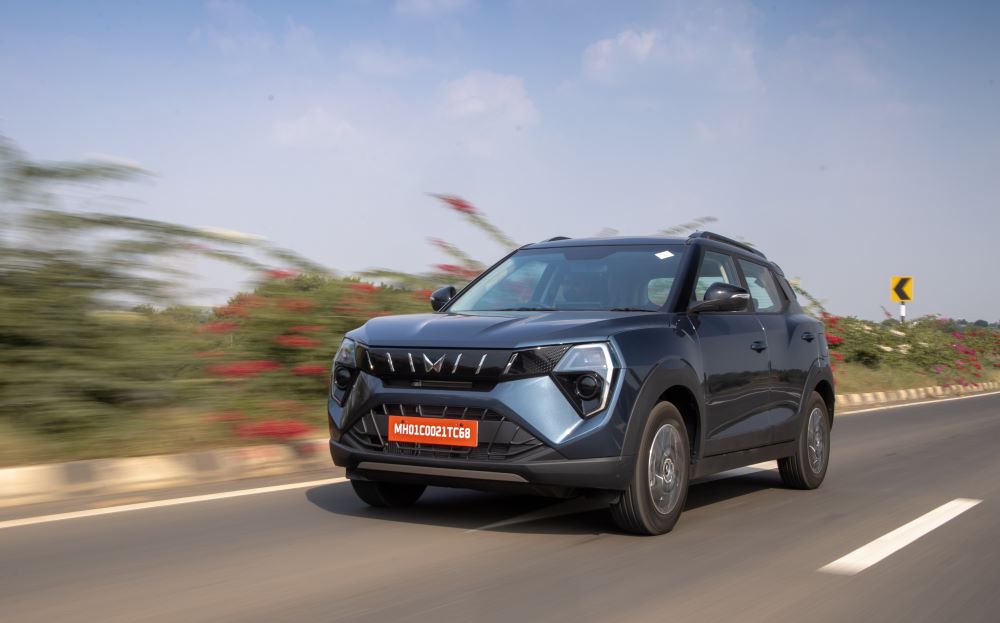
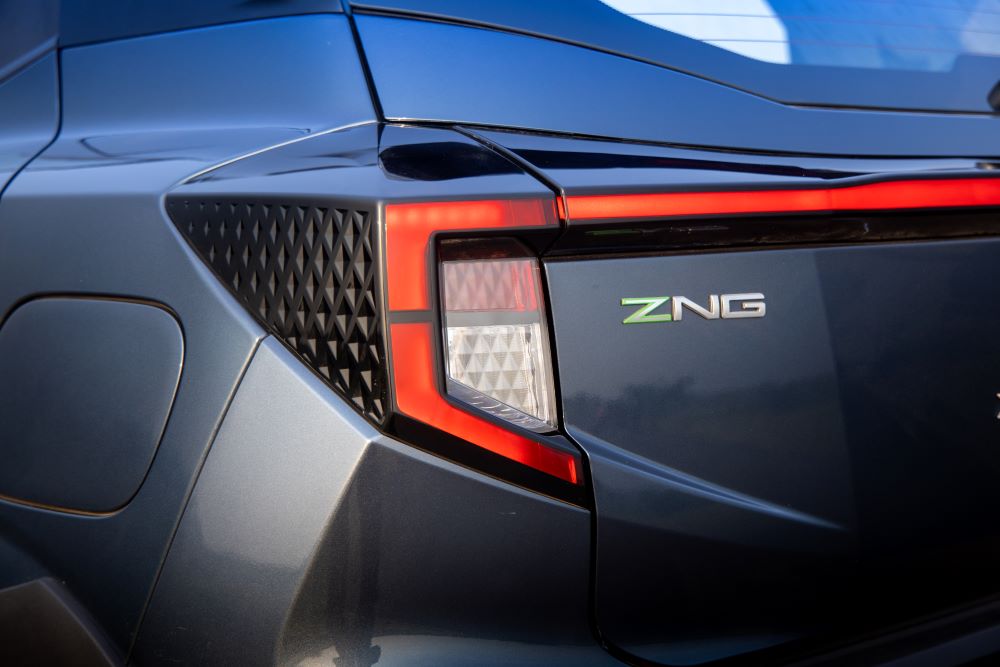
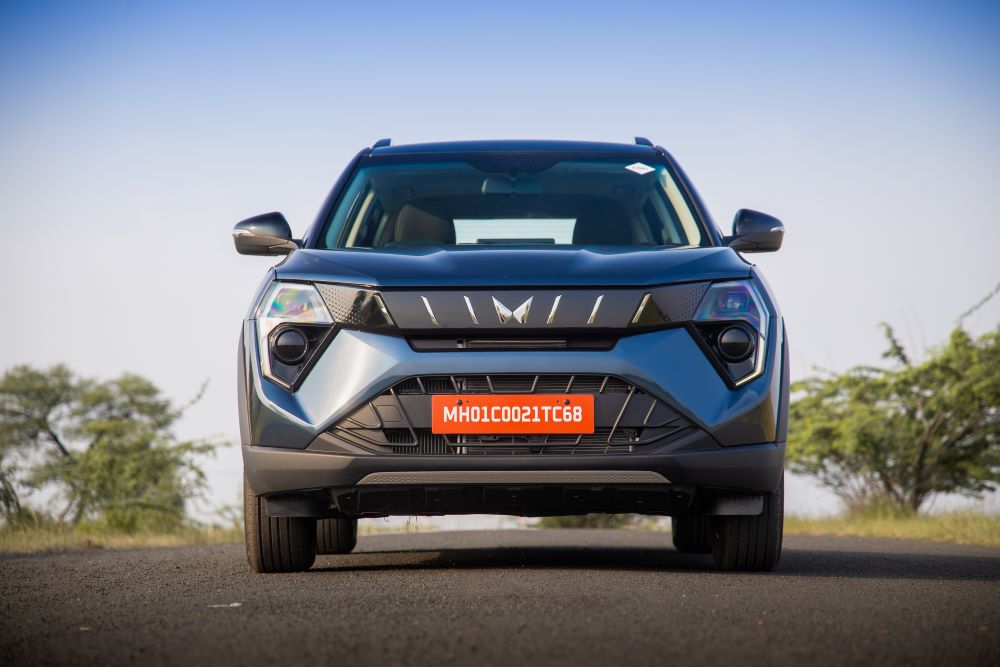
This is exactly how the first 30 minutes of my test-drive of the Mahindra XUV 3XO CNG (Mahindra call it ZNG – with the Z standing for zing) went. And this is because at the presentation before the drive, a representative of Mahindra said, “We have engineered the 3XO to deliver exactly the same performance on petrol and CNG. It has the same power and torque on both fuels, and you will not be able to tell the difference, or which one it is running on”.
Given the fact that most, if not all, CNG powered vehicles produce less power, and are substantially more sluggish, than when they run on petrol, that is quite a strong statement. So, the first thing I did on getting behind the wheel of the new Mahindra 3XO ZNG, was to try and test out this claim. And honestly, I was pleasantly surprised at how close the performance is on both petrol and CNG. Normally the moment one switches to CNG, the engine sound changes and the throttle response becomes slow and lazy. And every time you press the throttle, there is a noticeable lag between your input and the engine producing power.
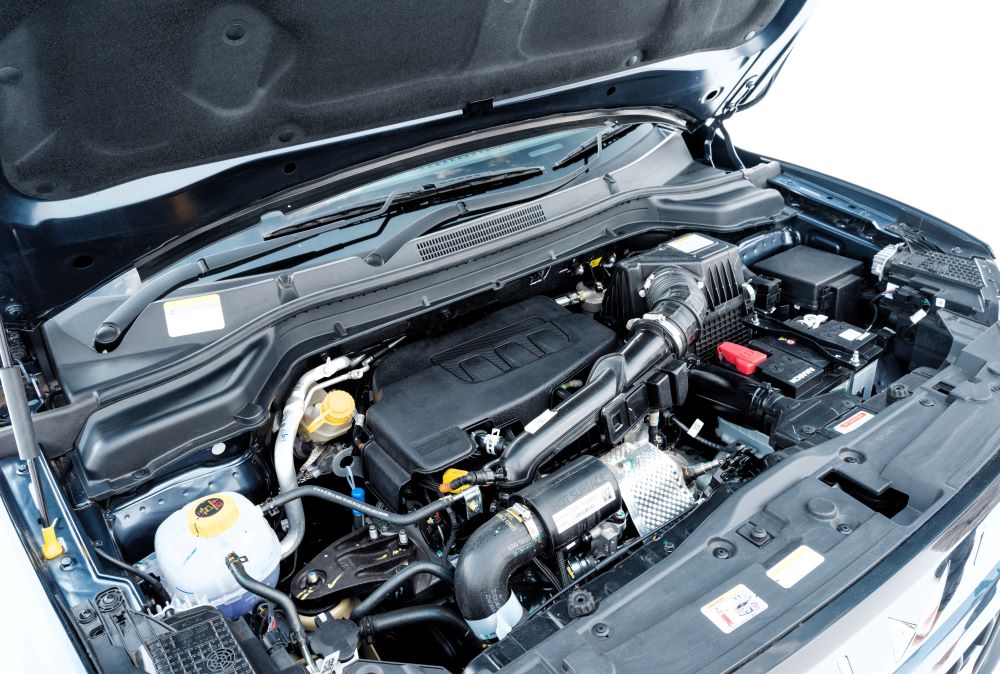
But in the Mahindra XUV 3XO, the behaviour is surprisingly the same. The 3-cylinder, 1.2 litre, mStallion turbo engine is happy both while consuming petrol, or CNG. And it was only when I put everything under my testing magnifying glass, that I found couple of minor differences. The one that I detected first was the difference in idling behaviour. On CNG, the engine tends to hunt, with the engine rpm fluctuating a bit. The second thing is the engine sound. When burning CNG the sound of the engine is more raw or hollow.
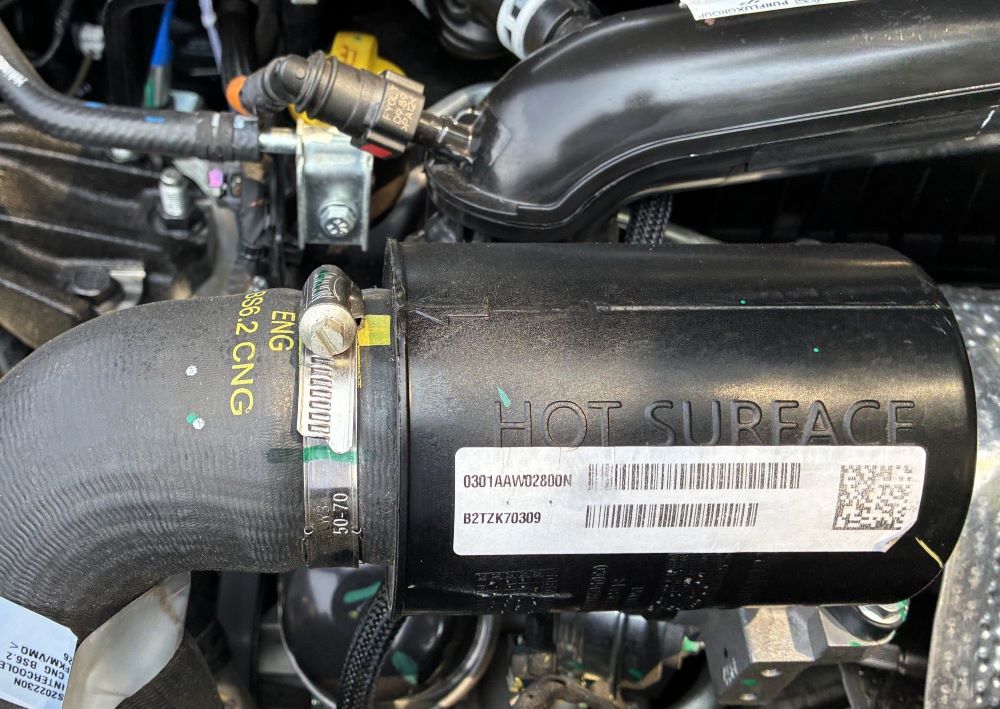
There is a rationale and explanation about why both these things happen. The engine hunts at idle as the compressed natural gas (CNG) burns differently than petrol and thus the ECU has to constantly adjust and adapt to this separate form of combustion. And while this adjustment is happening, the engine rpm varies and only on close scrutiny can you detect this hunting, and some drop in smoothness. The variation in sound is again because the gas changes how combustion happens, and this alters the acoustics of the engine. Personally, I prefer the crisper combustion sound of petrol, and I think the engine also sounds sharper.
But as mentioned, these are extremely minor variations and its highly unlikely that anyone will even notice them. And as neither affects performance in any way, it’s honestly purely academic and more of a technicality than anything else. And therefore, I must compliment Mahindra for making its 3XO run and behave in the same manner on CNG, as it does on petrol. And this is no easy job, it must have taken a lot of doing. So well done Mahindra.
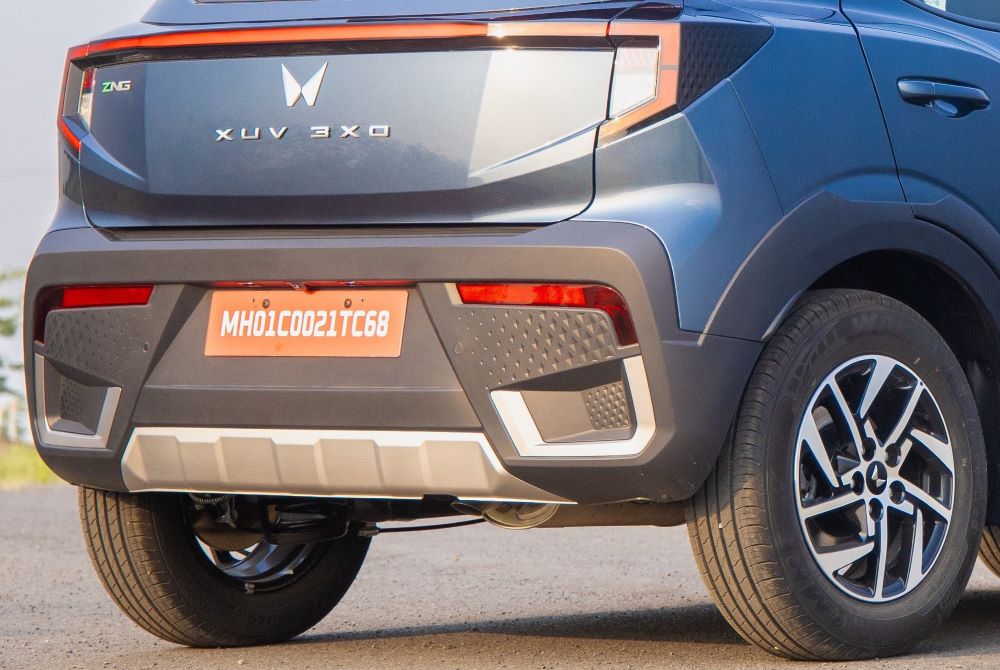
Now lets understand how and why the Mahindra XUV 3XO ZNG, is presently the only CNG car in India, which produces the exact same power (110 bhp) and torque (200 Nm), on both petrol and CNG. Yes, it’s the only one. And if I am not mistaken, other than the Tata Nexon iCNG, it’s also the only one that has a turbo- petrol engine, adapted to run on CNG. When Tata launched the Nexon iCNG in September 2024, they widely publicized it as India’s first turbocharged CNG passenger vehicle, combining a 1.2-litre turbo-petrol engine with CNG technology.
The reason for including a turbo in a petrol+CNG (bi-fuel) vehicle is that it ensures the difference in engine response between fuels, is minimal. And while the turbo aids the Tata Nexon iCNG in delivering the same torque 170 Nm on both petrol and CNG, the power output or bhp drops from 118 on petrol, to 99 bhp on CNG. A full 19 horses less. And therefore, this makes the XUV 3XO ZNG the only one, which does not compromise, and delivers the same power and torque on both fuels.
Let’s delve a little deeper into this. The purpose of using CNG as a fuel is twin fold. Lower emissions and cost. CNG burns more completely and releases significantly lower emissions and pollutants, and its running costs are also considerably lesser than petrol. But as CNG has a lower volumetric energy density than liquid petrol, it carries less energy per unit volume and thus does not produce as much power. So far, most manufacturers of CNG cars in India, have marketed or positioned them as clean and economical vehicles. And despite the initial higher purchase cost, the consumers have also opted for them due to the lower cost of running and because of this saving, have accepted the loss in performance.
Tata with their Nexon iCNG were the first to try and bridge the gap in performance, and now with the XUV 3XO ZNG, Mahindra have gone the whole hog and provided CNG without compromise in performance or driving behaviour. As has been the trend, manufacturers like Maruti, Toyota, Hyundai, Kia and so on, all use non-turbocharged, naturally aspirated petrol engines to pair with their CNG kits and this results in significant power loss when operating on CNG.

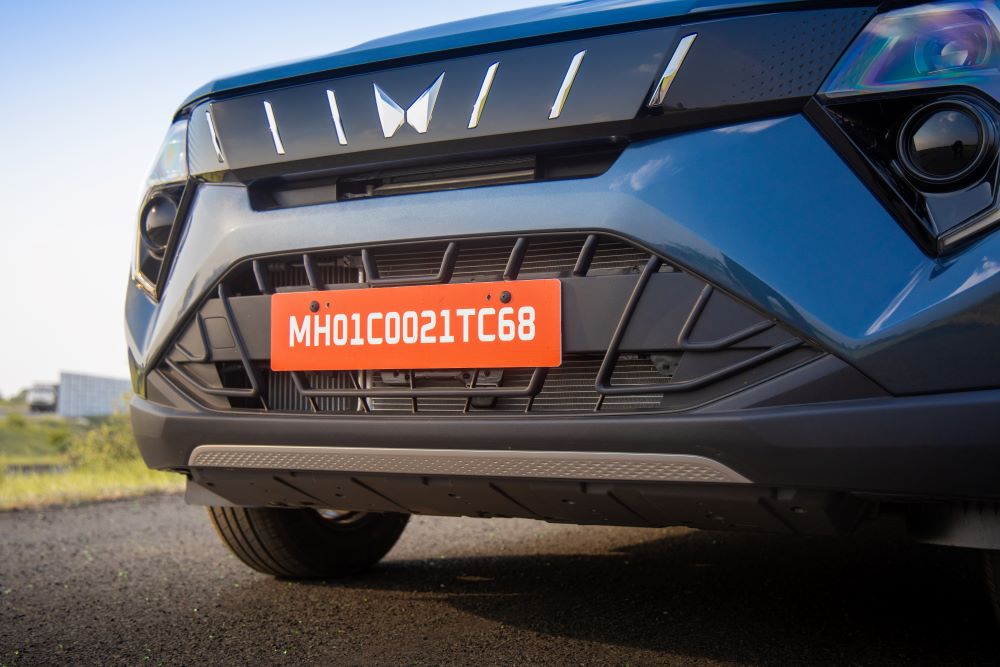
Mahindra not only have a turbo that forces compressed air into the cylinders and helps compensate for the energy density difference of CNG, but they have also installed a high-pressure 10-bar CNG injection system. Compared with standard low-pressure CNG kits, this10-bar system uses the higher pressure for faster and more precise delivery of the gas into the combustion chamber, resulting in a more uniform and richer fuel-air mix that helps maintain peak combustion energy.
The ECU (and turbo) have also been set or mapped and recalibrated to ensure more gas and air enter the combustion chamber at a faster rate, so the power produced is the same with both fuels – petrol and CNG. Of course, to make it all work, many other engine parts and other components have had to be upgraded and engineered for durability and so on. All this means increase in cost, and the performance also consumes more CNG, as a result of which, fuel efficiency is slightly lower with the certified figure being 24.7 km/kg.
Given this, Mahindra are clearly targeting a new set of customers, who want to enjoy the benefits of CNG as a fuel, without its related power loss. From what I understand this new segment is being termed as the “Turbo – CNG” segment, and as of now the Mahindra XUV 3X0 ZNG, is clearly the best product in it and the only one running on CNG with no compromise (or mood swings).
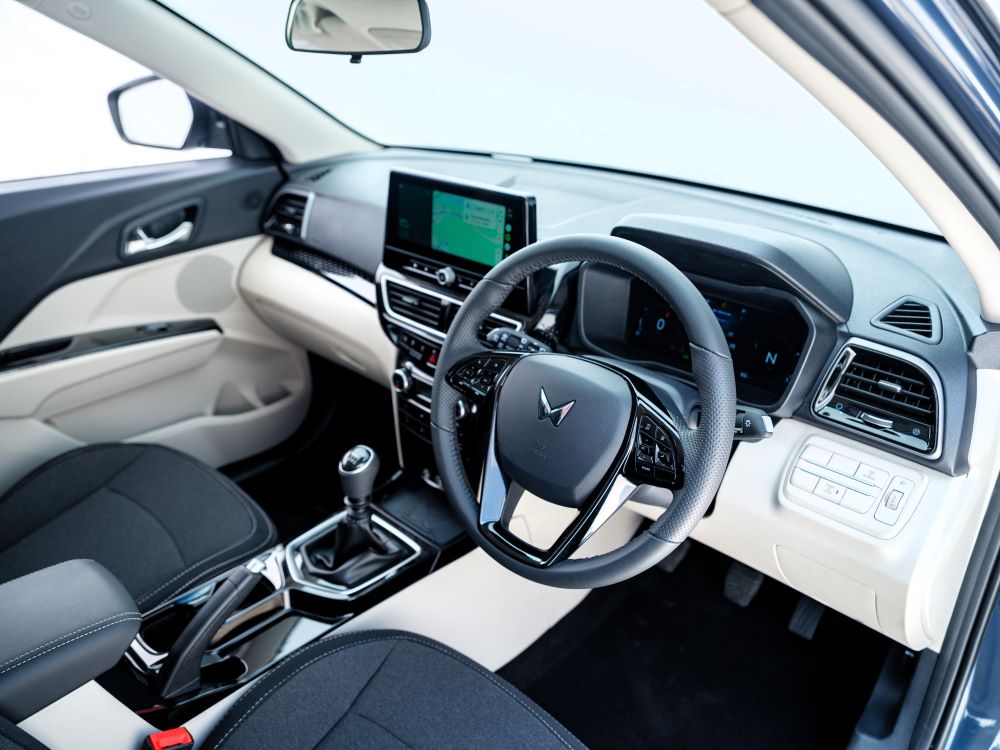
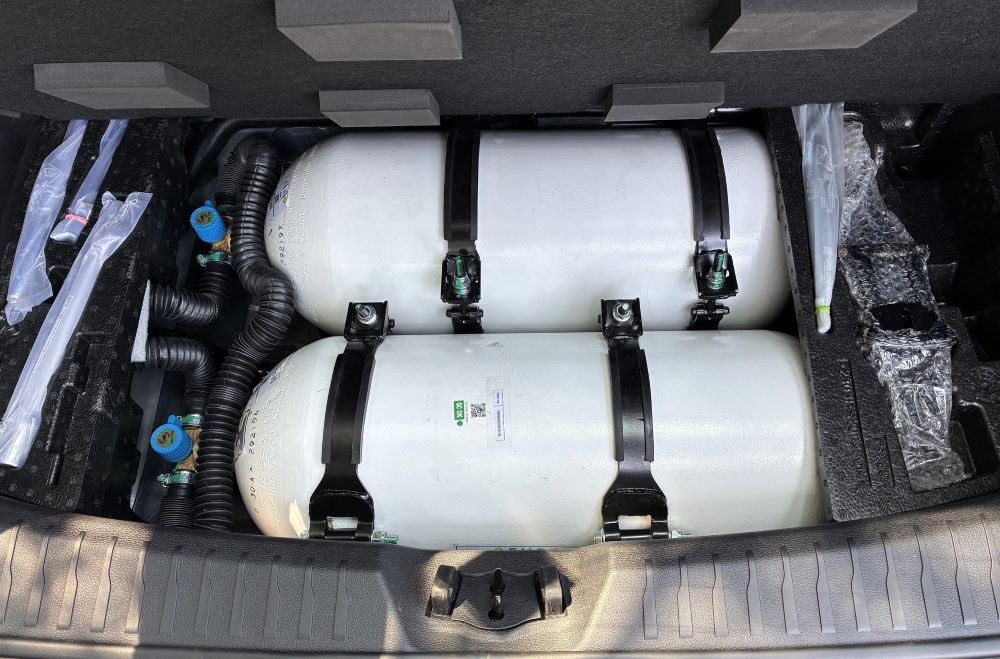
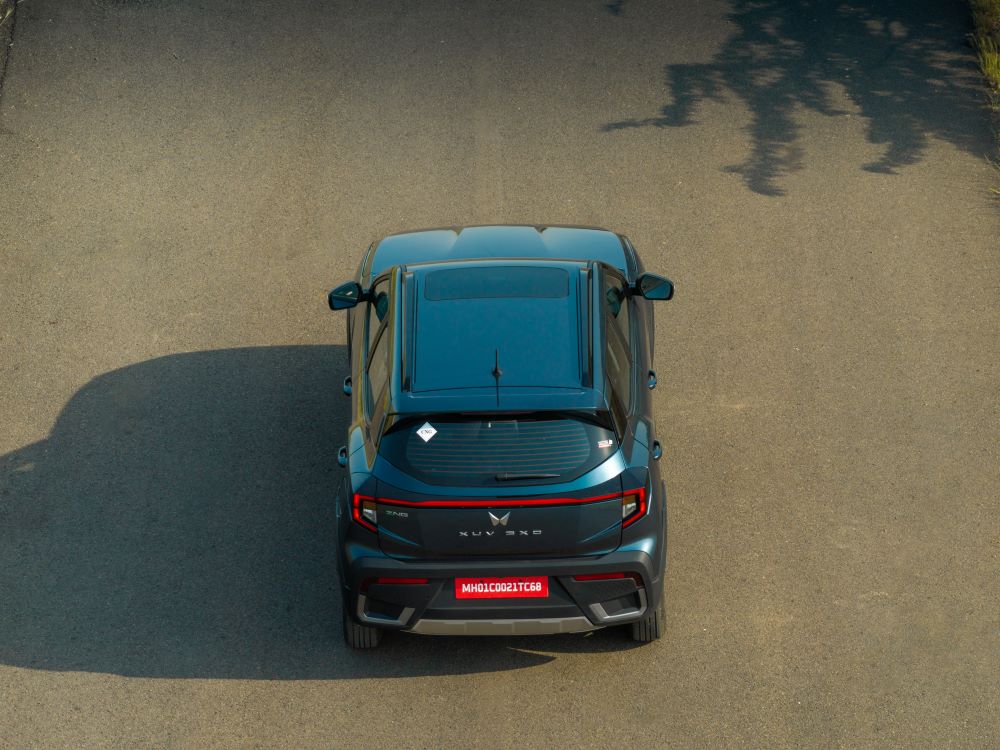
What I also like is that Mahindra have tweaked the suspension to deal with the additional weight (approx 100 kg) of the CNG conversion, and the ride is actually quite good, particularly at low speeds. The twin 30-litre CNG tanks have been smartly fitted in the boot with the spare wheel moving under the body to create space for these cylinders. But installation of the two CNG cylinders has led to a reduction in boot space from 364 (non CNG version) to 270 litres. And though the luggage floor is flat, it’s quite high. For safety purposes, there is a gas leak detection system, which automatically moves the 3XO ZNG to petrol mode if any leaks are detected, and I believe the body has also been structurally reinforced to prevent the cylinders from any damage or leakage, in case of an accident.
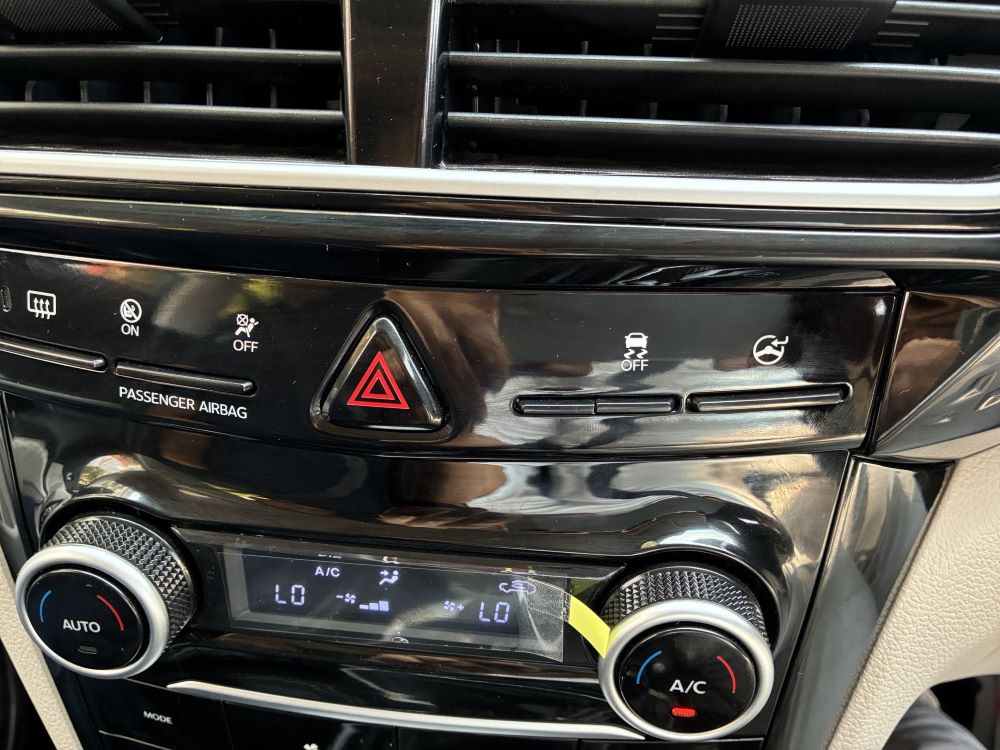
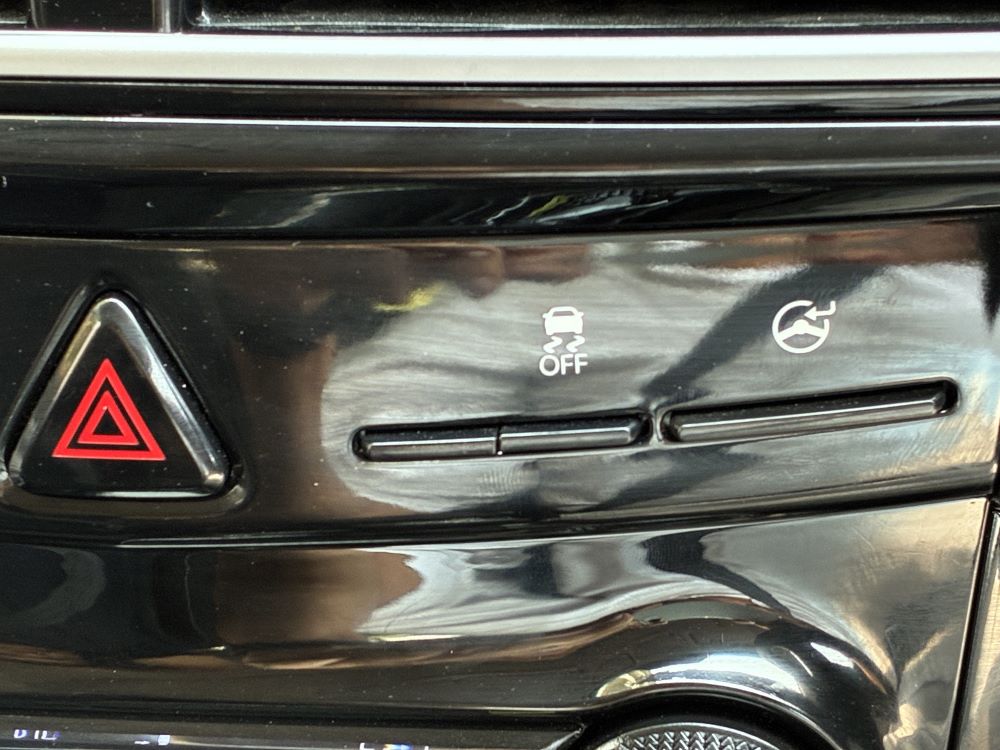
All in all, the Mahindra XUV 3XO ZNG, has set a new benchmark for performance in Indian CNG powered vehicles. Now what remains to be seen is how many non CNG fans does it attract and convince, that CNG can be used as a fuel without any real compromise in performance. I for one am quite impressed with how well the 3XO runs on CNG, and how closely its performance matches or mimics that of petrol.

In conclusion, let me leave you with an interesting anecdote from an attractive lady who had a CNG car, but now refuses to drive one. She says, “I opted for CNG and was happy with the car and its lower emissions and running costs. But soon after, I began to dislike the CNG filling process. Most stations have a queue. And those waiting in the queue are mainly taxi drivers, or other employed drivers. Most of the time I would be the only female in the queue, and got a lot of “stares and looks”, some not just out of curiosity! At times they would also gather around my vehicle and talk and laugh loudly, and of course all through this were the “looks and stares”. And so, the CNG filling process became a painful one for me, and forced me to get rid of the car”.

Bob Rupani is a born car lover and avid automobile enthusiast who has spent some of the best times of his life behind the steering wheel.