If you are stylish and like to dress for the occasion, then its worth trying out the Slavia.

Did you know that an officer of the Indian Navy or Bhartiya Nausena, has 10 different uniforms! And these can increase to 16 different dresses depending on the region, weather, occasion, etc. Naval Officers have Ceremonial Uniforms (with semi ceremonial versions); Working Uniforms (different for winter and summer); Mess Uniforms (4 different versions depending on the occasion), which are worn for formal evening or dinner functions at the mess halls; Overalls that include fire retardant gear which are put on while carrying out maintenance and repairs onboard naval ships, and of course, Combat Uniforms. And that is why an “Officer and Gentleman, or Lady, of the Indian Navy” (or the Indian Army or Airforce), is always “Dressed for the Occasion”.
They have so many different uniforms because each is designed and tailored for the operational environment, weather, ceremonial protocol and levels of formality depending on dignitaries in attendance, safety requirements, and so on. It’s all about visual presentation and respect, and wearing uniforms that are suitable and match the occasion and setting.
Similarly, there is an unwritten rule or practice for vehicles and their suitability of purpose, which old fashioned folk like me still like to follow. So, what is this “Operational Profile of a Vehicle”? Simple answer, “Would one use a butcher’s knife to perform a surgery?” Obviously not, you use a scalpel for surgery. Then why are so many people only opting for SUVs, especially when they are used primarily in cities and on paved roads.
Just as proper “Ladies and Gentlemen” are meant to be “Dressed for the Occasion”, in my view, one should also use a vehicle (or vehicles) that meets and matches your specific needs, lifestyle, and driving conditions. It’s like having the right tool and not getting a vehicle that compromises on your comfort, or fails to meet the functional needs of the situation. But in recent years, its one “Multi-Tool” – the SUV, which majority of Indian customers seem to be gravitating to.
There was a time when SUVs or Sports Utility Vehicles (note the word utility), were designed and built to provide utility, space and the ability to cope with bad or unpaved roads. They were meant for family road trips, outdoor adventures, carrying your gear, etc. And if it was a serious SUV, it came with four-wheel drive. None of this holds true anymore. Nowadays most SUVs rarely leave tarmac, are used largely for city commutes and majority are only two-wheel drive.
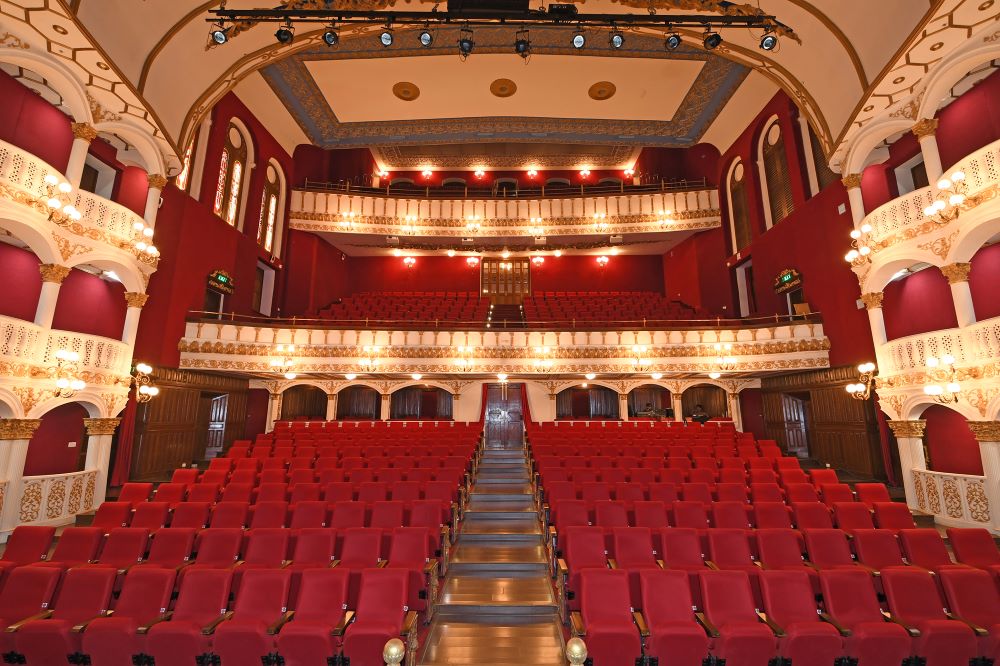
On the other hand, sedans which have now diminished in both numbers and popularity, are meant to be stylish, comfortable, fun to drive and ideal for daily commutes and going to office meetings, etc. In the evenings you steer them to your favourite restaurant, and of course, to the cinema, opera, art exhibitions and those classy black tie (or bandhgala) type functions.
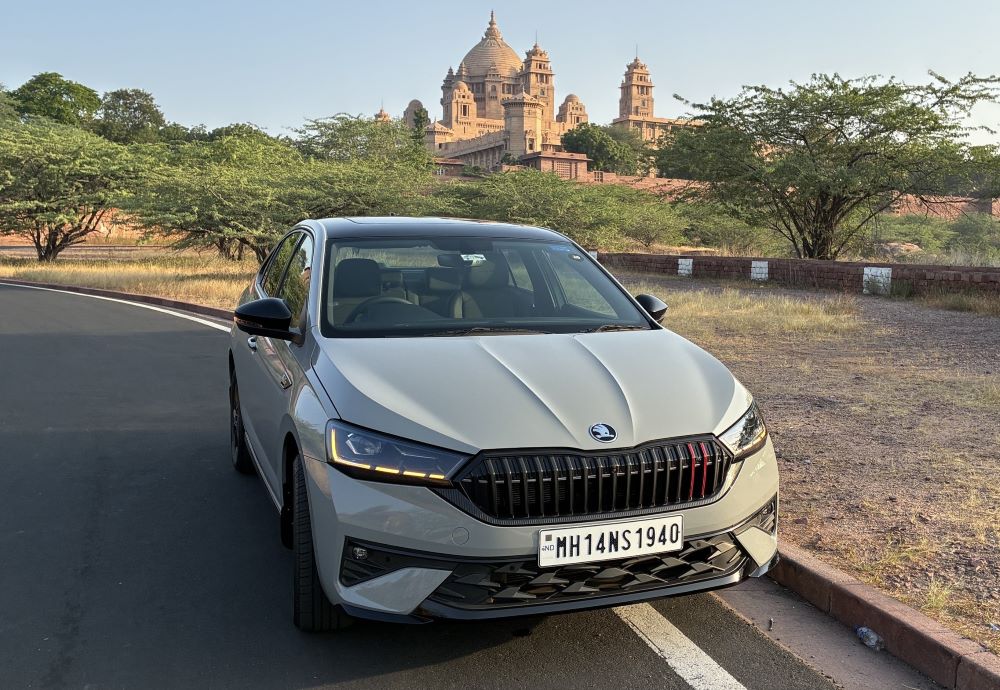
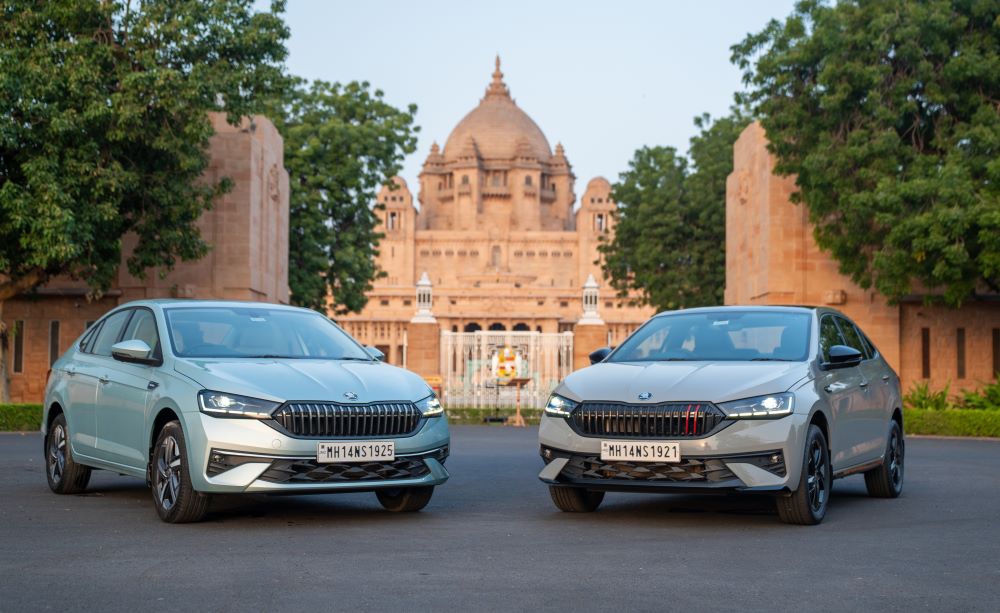
Given this, I am thrilled that at least some manufactures like Skoda, are striving and working hard, to make Indian consumers aware of the role and relevance of sedans, and this is best epitomized by the way they have launched and promoted the facelifted version of their Slavia.
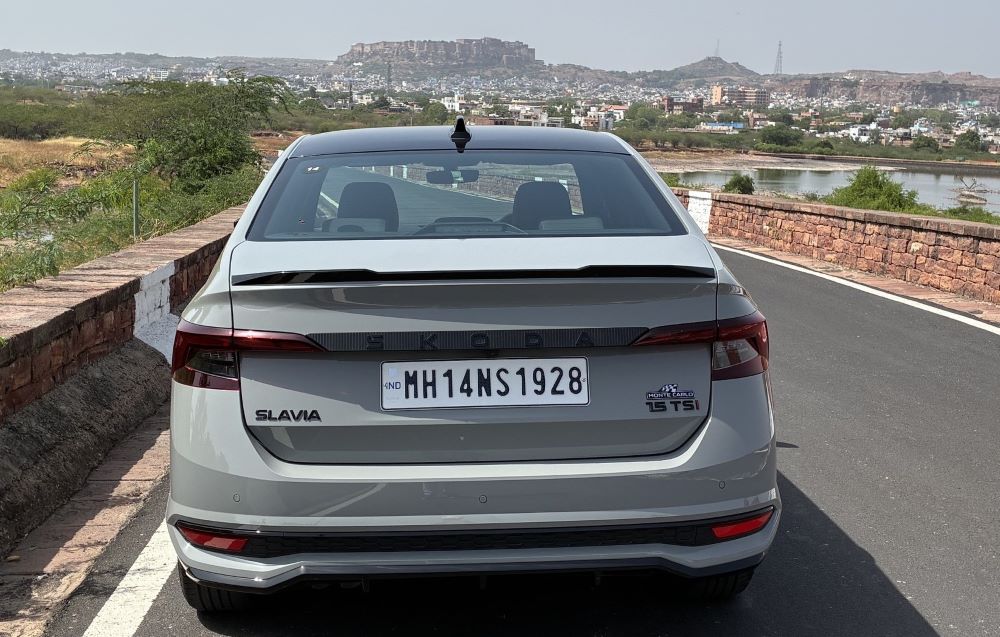
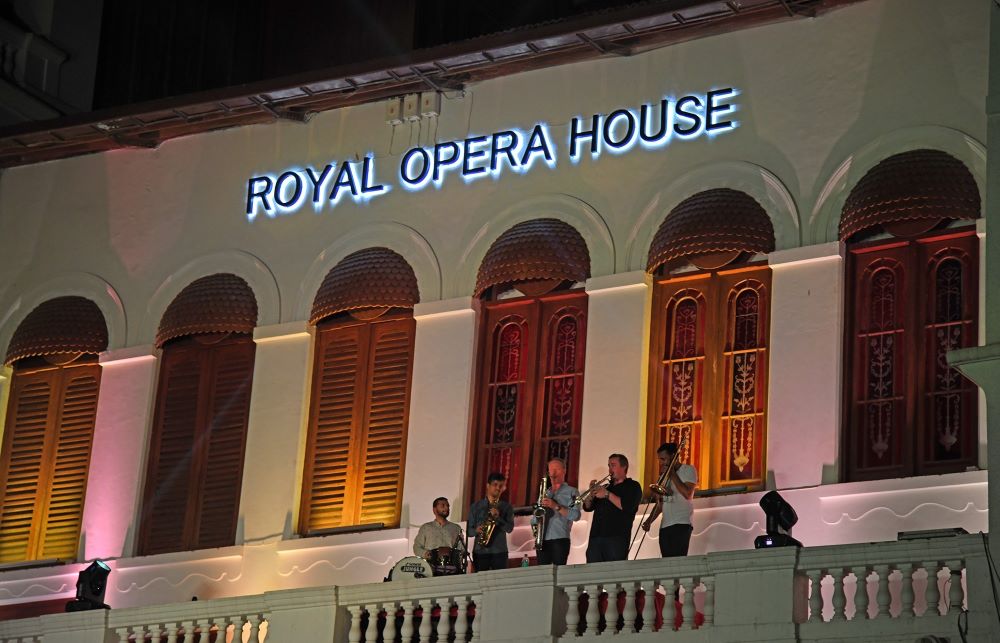
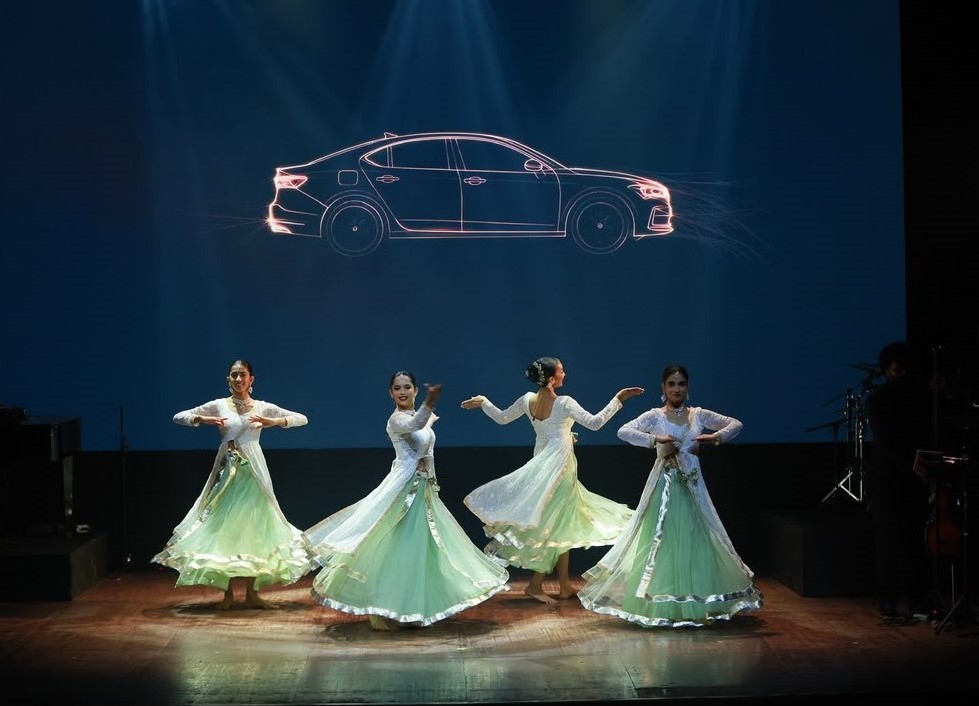
The launch event was held at the classy Royal Opera House (inaugurated in 1911) in Mumbai, along with some beautiful performances from renowned Indian classical musicians, talented dancers, and other artists. It was a “Tasteful Automotive Launch” and amongst the better ones I have attended in India. But Skoda did not stop at that. They chose the majestic Umaid Bhawan Palace in Jodhpur, as base for the test drive, and as their intention is to showcase the new Skoda Slavia as a stylish and elegant car, in my opinion, the selection of venues for its launch and drive, could not have been better. Well done Skoda.
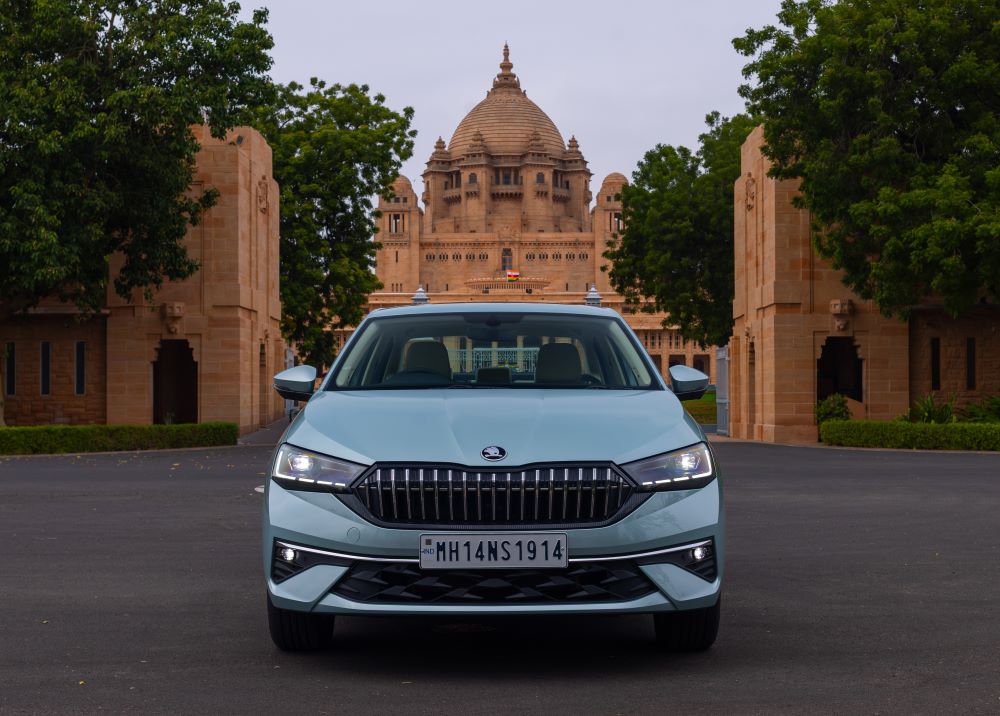
Now after this long introduction (beg your forgiveness for it) of why I think sedans should get the importance they deserve, before I am accused of losing focus and sight of the “suitability of purpose”, let me talk of the new Skoda Slavia, the subject of this story.
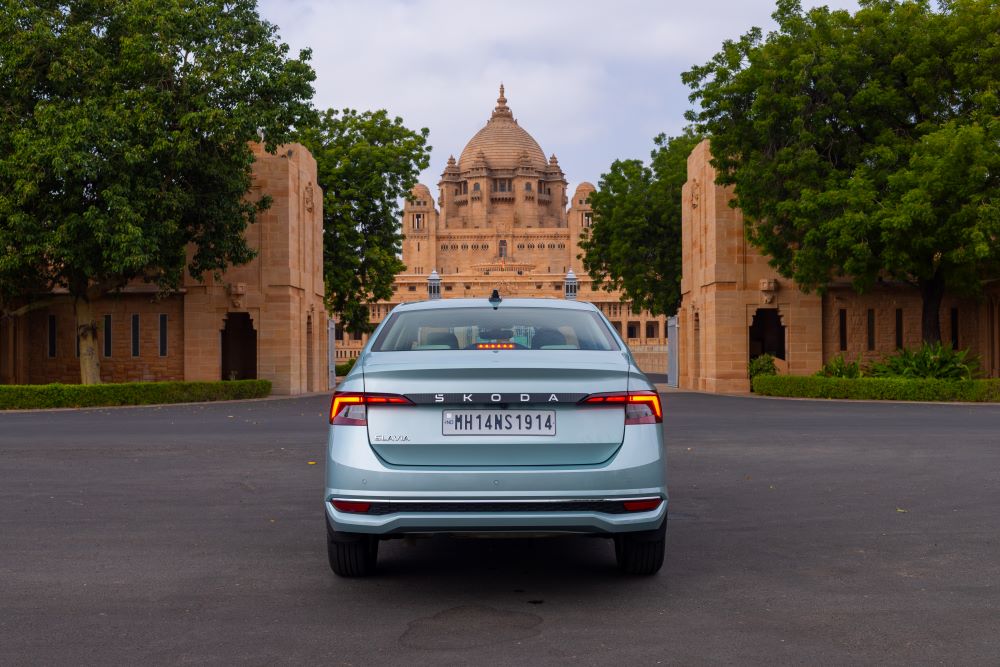
As mentioned, the new Skoda Slavia has been to the beauty salon and after its makeover, returned with some new cosmetics, features and also mechanicals. The biggest change mechanically is that the earlier 6-speed automatic on the 3-cylinder 1.0-litre TSI turbo-petrol (114 bhp and 178 Nm) version, has been replaced with an 8-speed auto and this provides better drivability, particularly at lower speeds and in traffic, due to the lower gear ratios. And on the highway, the additional 2 gears mean the engine turns over at a lower rpm and this not only reduces NVH and emissions while cruising, but also improves fuel efficiency, which is now 19.50 kmpl, as certified by ARAI.
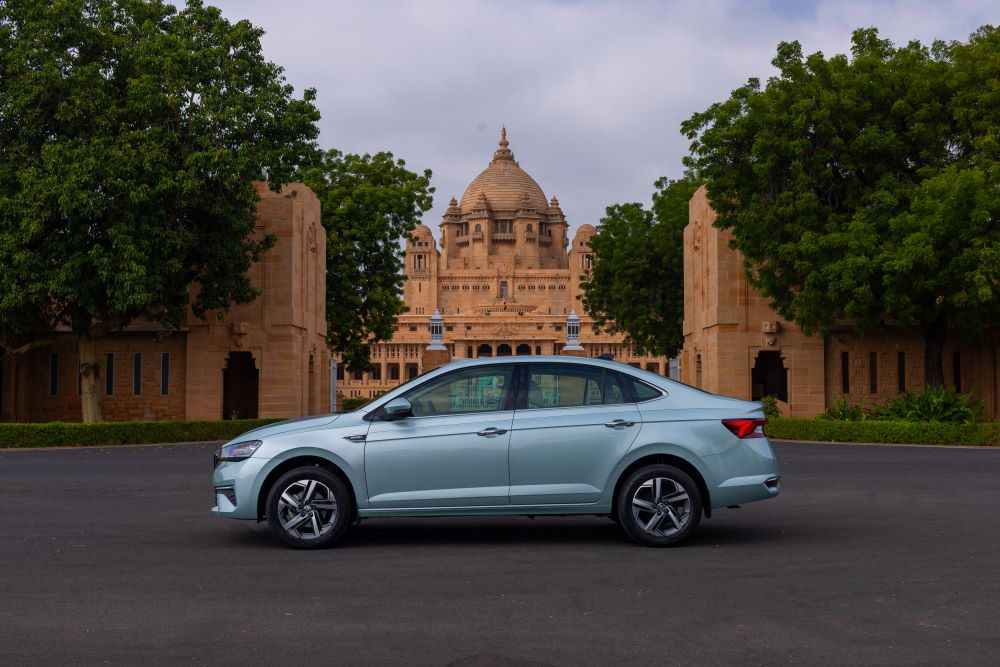
Amongst other changes is the fact that the 4-cylinder 1.5 litre TSI variant (148 bhp and 250 Nm) retains the 7-speed DSG, but now also gets disc brakes at the rear, though the 1.0 litre one stays with the disc/drum combo. And it continues to be available with the 6-speed manual transmission too. I believe the AC compressor has also been upgraded for better performance to cope with our extremely hot summers.
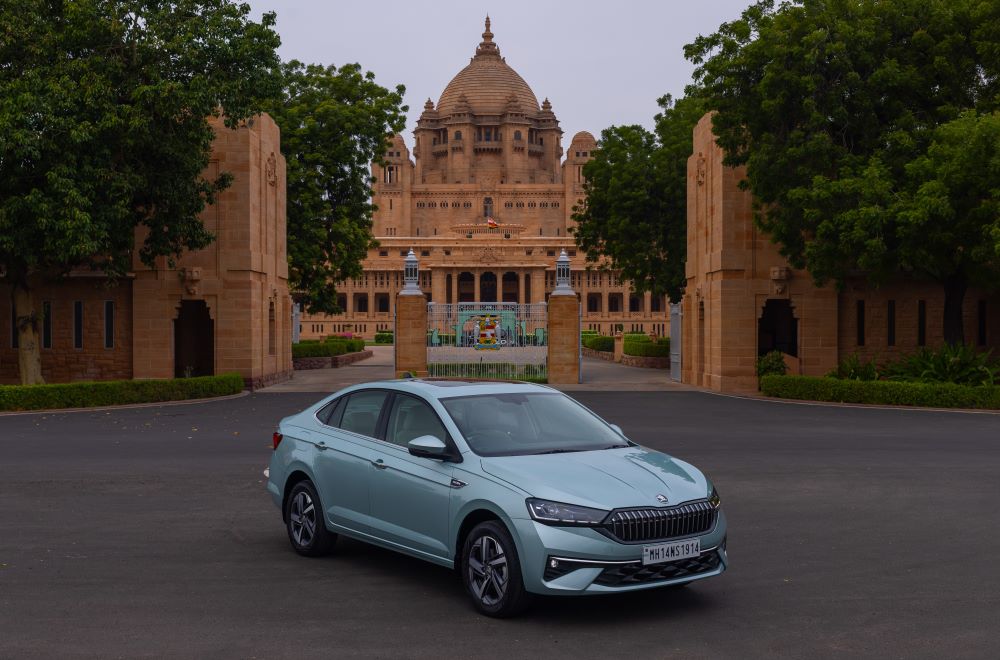
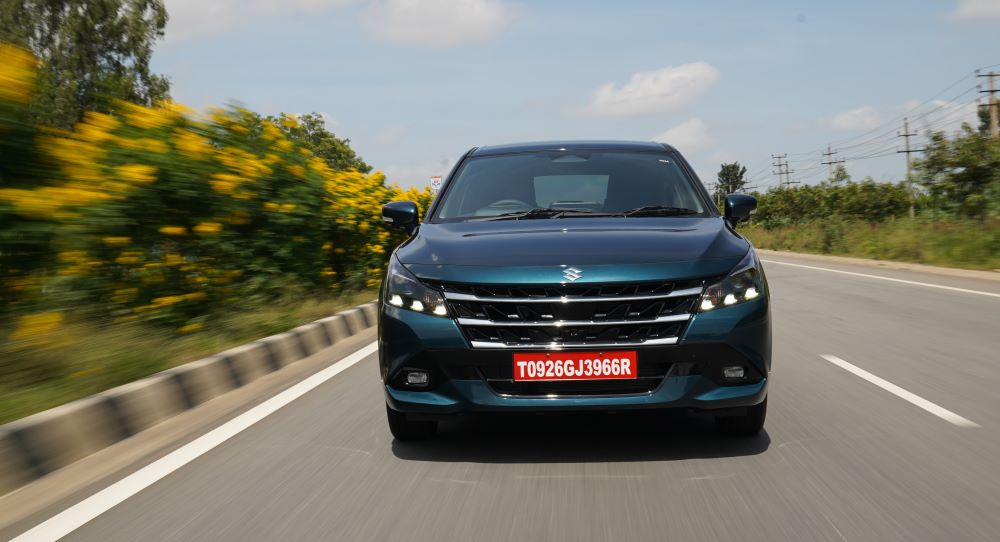
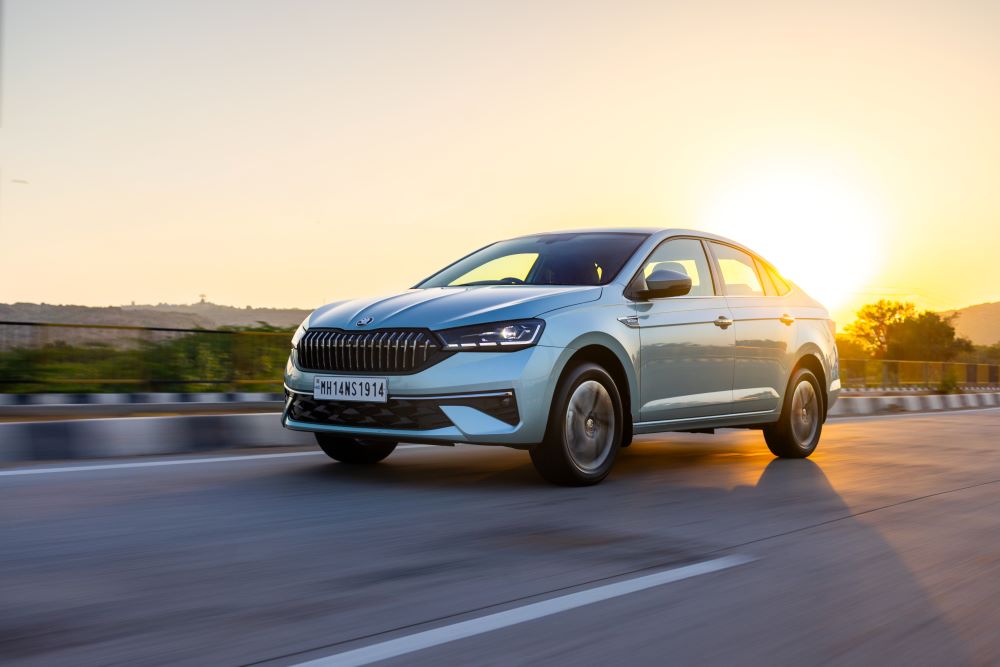
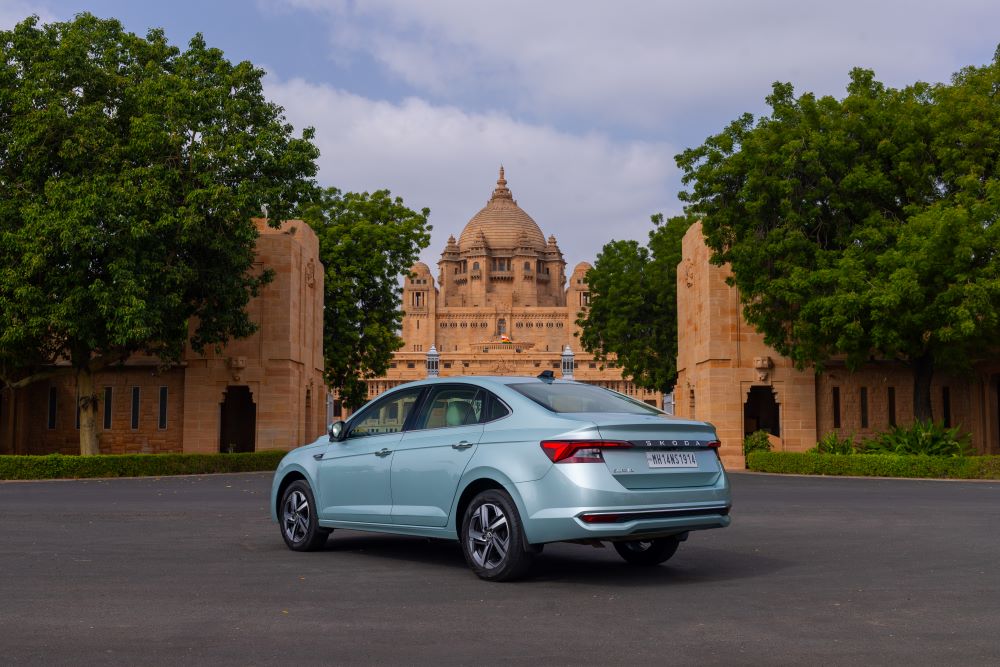
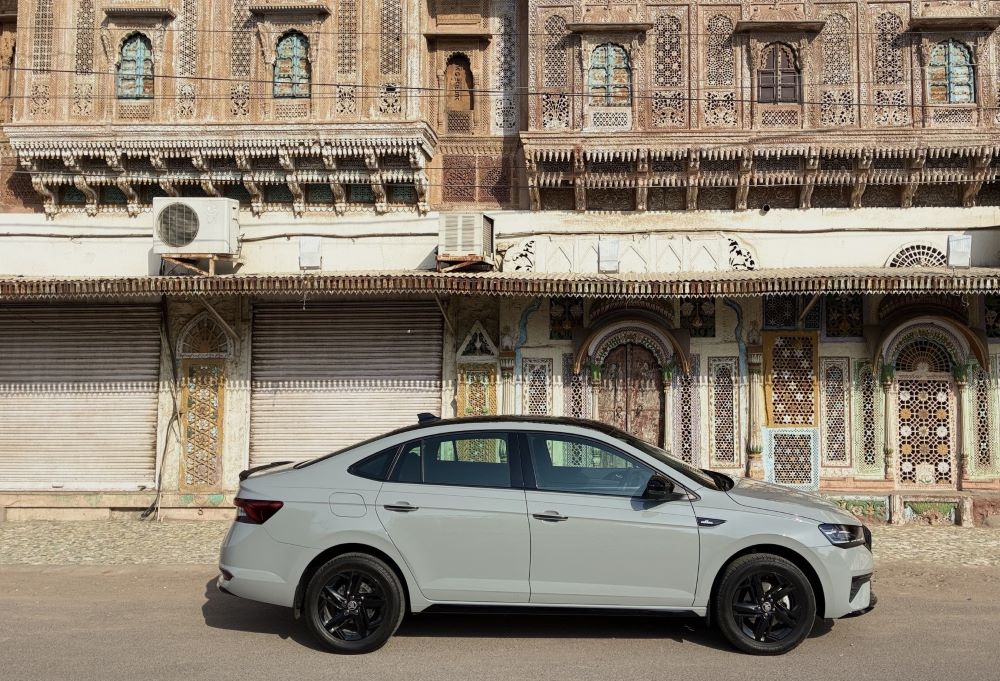
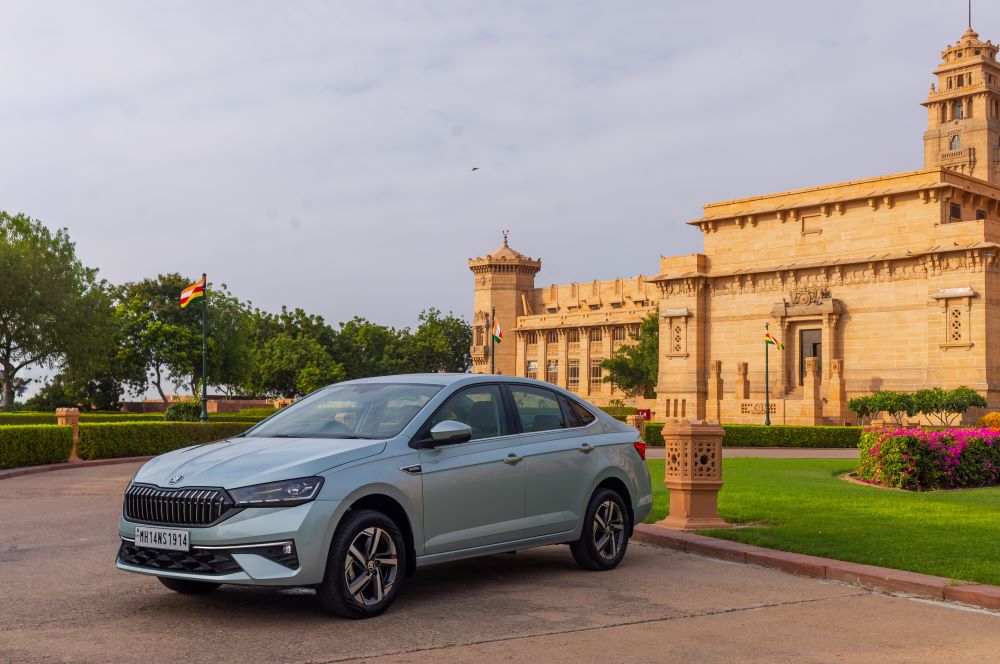
The exterior styling changes include a new front bumper, redone LED headlamps with DRL signature, LED fog lamps, and a revamped grille with black bars, in place of the earlier chrome accents. At the back there are restyled LED tail lamps and sequential turn indicators, and a new black textured connecting panel with ‘Skoda’ written on it. There are new alloy wheels too.
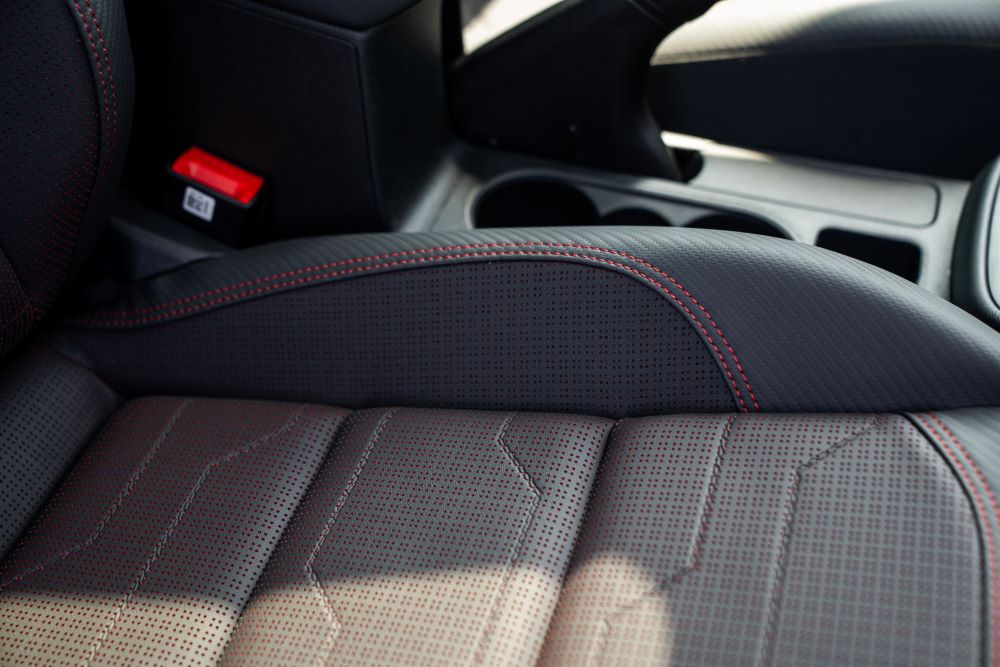
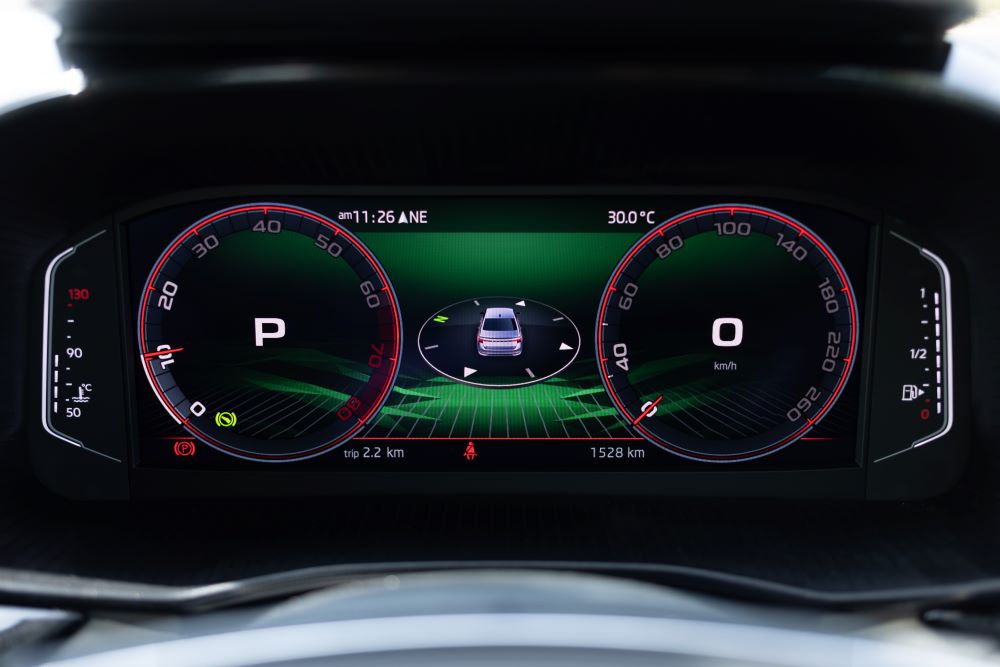
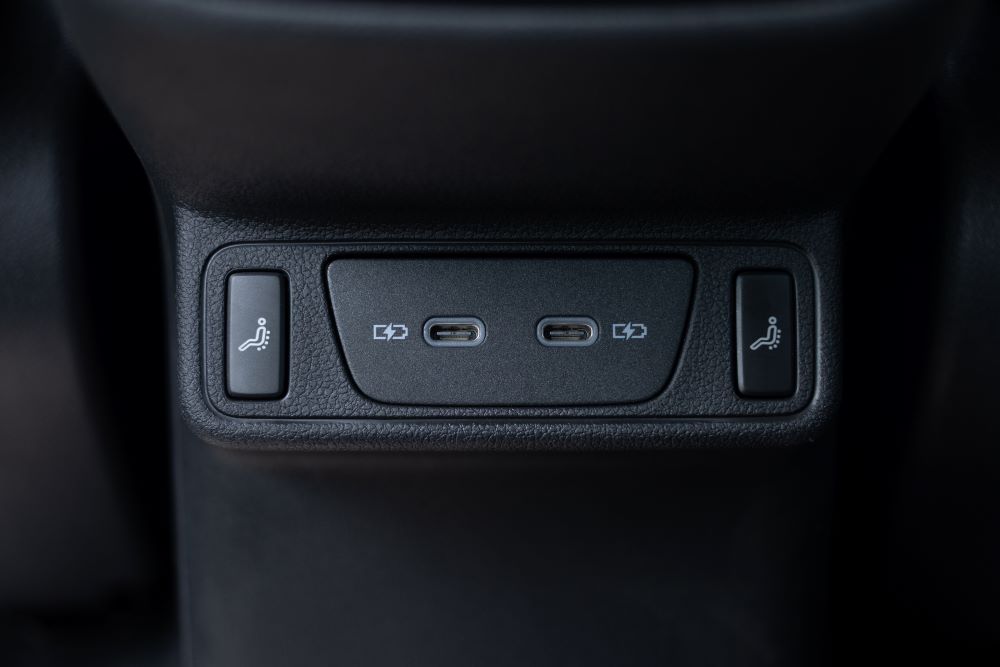
In the passenger compartment, the most significant change is that the rear seat now has a very useful massage function and the Slavia also has a 10.25-inch edge-to-edge digital driver’s display or instrument cluster, and an updated 10.1-inch touchscreen infotainment system. The front seats continue to be ventilated with electrical adjustments, and what I like is the way they welcome, and then cushion you.
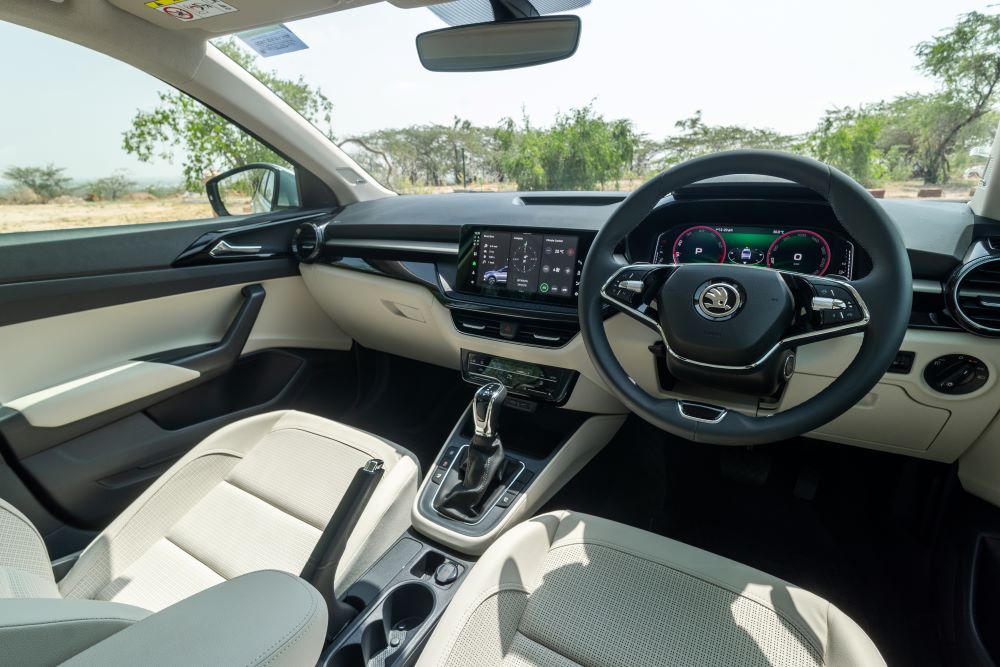
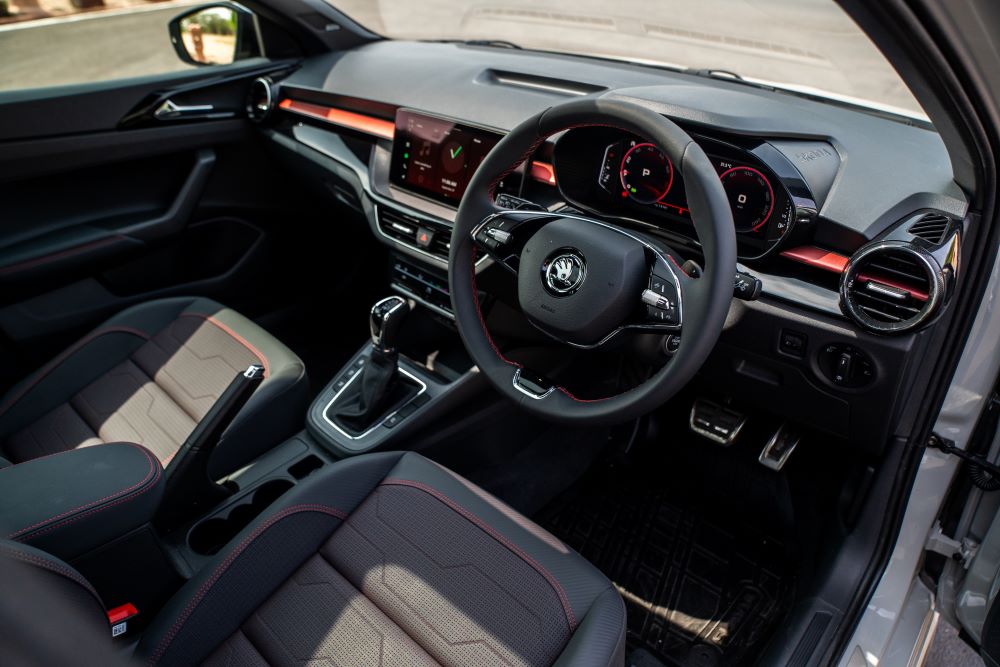
Since the 8-speed auto is the most important new introduction, I first tried that version out on the roads in and around Jodhpur. And as mentioned, this gearbox clearly uses the powerband of the small 3-cylinder engine in a far better manner, and the way the power is now drawn out and delivered to the front wheels, has improved drivability for sure. But what has not changed is the way the 3-cylinder engine sounds and breathes. And this is something that has never appealed to me.
Those of you who are familiar with this 1.0-litre TSI turbo-petrol engine, which also does duty in other VW group cars like the Kushaq, Virtus and Taigun, may have noticed that it has a strange sounding acoustic drone and makes a raspy sort of sucking air sound that is particularly audible at startup and low revs. This is because the 999 cc engine depends a lot on its turbo to generate the horses from its small cubic capacity. So as the engine starts and begins to build up revs, the ECU forces the turbo to hungrily suck in air to enable its blades or impellers to quickly start spinning and build boost. This rapid sucking of air, creates a vacuum hiss followed by a boost hiss, and to regulate the strong air intake pressures, the turbo’s wastegate valve also rapidly opens and closes, or flutters, and this contributes to the whooshing resonance of the air intake system too.
This air sucking sound is actually air rushing through the air intake and travelling through the air filter into the turbo intake, and all this happens so quickly and so invisibly, that most people won’t ever notice it. But being the fussy and fastidious driver, I am, I find this sound to be disconcerting. In comparison, the 1.5 litre TSI (Turbocharged Stratified Injection) sounds so much better. It also utilizes a turbo, but due to its larger displacement of 1498 cc and the additional 4th cylinder, this engine’s suction of air to feed the turbo is done in a more dignified, and far better sounding manner. Its almost like the elder brother enjoys playing a more mature and deeper acoustic note, than its smaller, and more vocal and shriller younger brother, who it seems is always straining and calling for attention.
This along with the refinement, response and of course performance, is why I would opt for the 1.5 variant, any and every time. Get behind the wheel and the Skoda Slavia immediately communicates that it takes delight in pleasing the driver. The swift and smooth engine response, accurate modulation and feel of the foot pedals, precise and communicative steering, comfortable ride with well controlled body movements, and assured brakes with good bite, all work harmoniously to make driving the Slavia a fun and fairly engaging experience. The ergonomics, the high-speed stability, and good visibility, along with the Slavia’s ability to change direction quickly and stick to the line chosen by the driver, also allow you to push it hard on twisty roads and tackle turns faster and more confidently, than you would in many other vehicles in its segment. And of course, the ride and handling, and driving pleasure, is way superior to what you would get in most SUVs. Occupants of the Slavia also travel in more comfort, and bounce around less than they would in a SUV. Because thanks to their lower center of gravity, sedans inherently offer superior ride quality and sharper handling because of physics, geometric design, and lower weight, and so on.
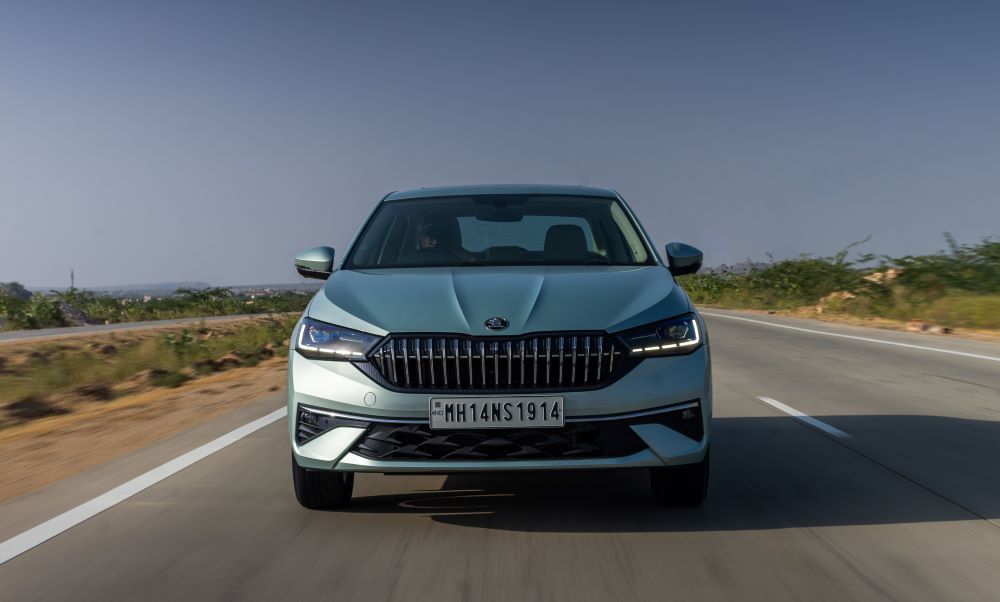
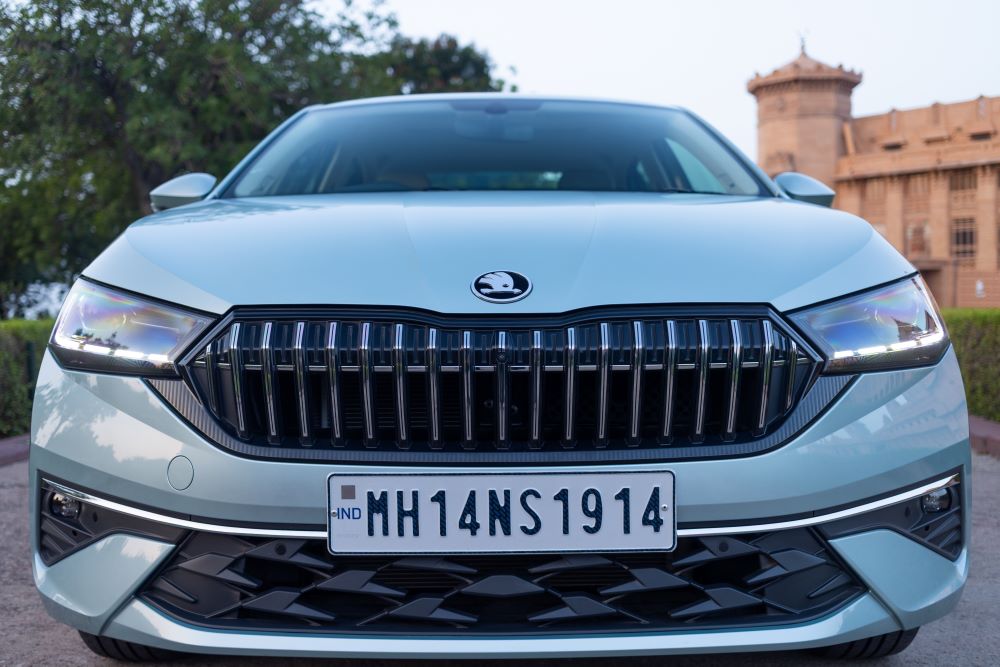
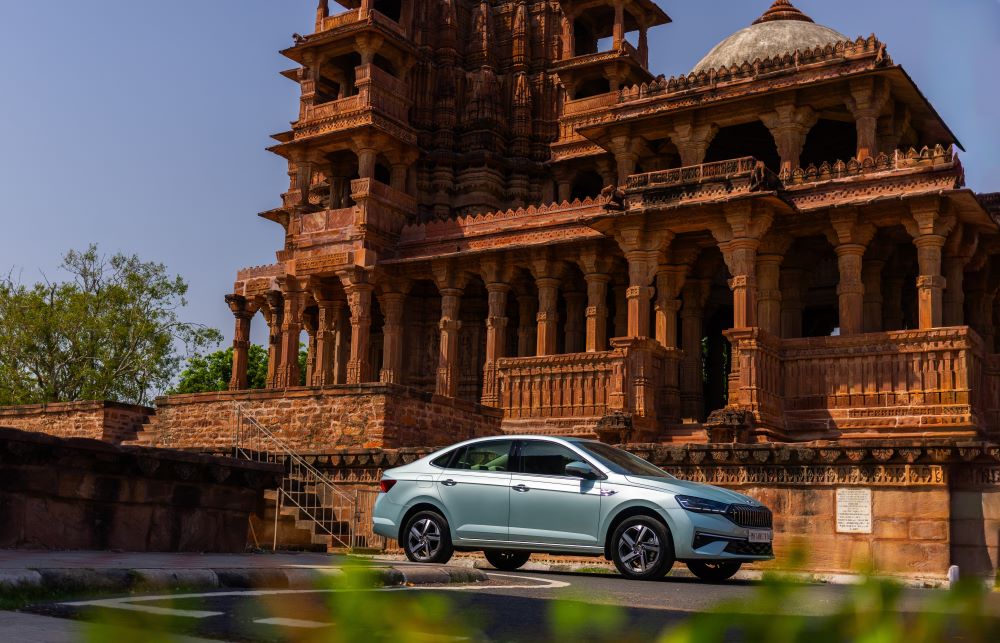
And let’s not forget the style factor. Sedans have the typical 3 box shape that lends itself better to balanced proportions in the hands of a good designer. And Oliver Stefani (Chief Designer at Skoda Auto) and his team, have done an appreciable job of shaping the Slavia and what I particularly like is that it has a long wheelbase (2,651 mm), and a coupe-style silhouette that lends a sense of sportiness to the Slavia. This sloping side profile also results in the Skoda Slavia having a drag coefficient (CD) of approximately 0.28, which is quite good for a mid-size sedan and something that most SUVs with their comparatively boxy shape, can only aspire for.
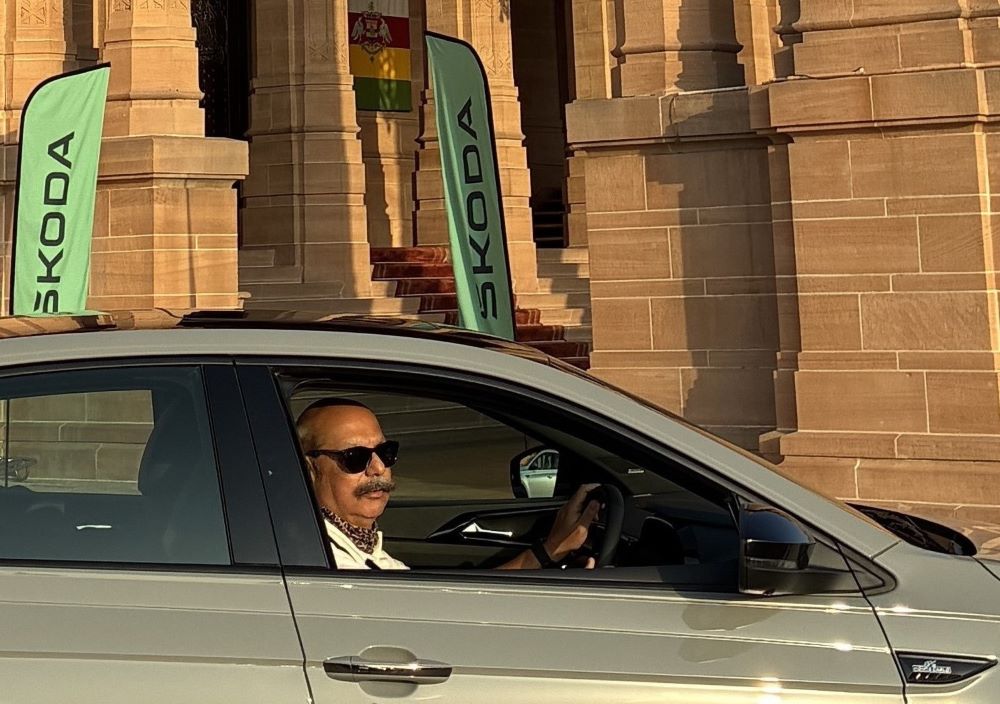
The Slavia is undoubtedly a gracefully styled sedan and unlike few other manufacturers, Skoda have fortunately gone easy on the adornments and flashy eye-catching elements, thanks to which elegance is also nicely imbedded in the overall looks and styling. So yes, in this present era of over dressed and flashy cars, the Skoda Slavia’s styling is to my liking and I think most “Ladies and Gentlemen” with refined taste will appreciate its looks. And I hope that tribe grows and we see more aesthetic looking cars on our roads.
But the question that will be debated is, should one opt for the 1.0 or 1.5 litre version? If you are budget conscious and drive mainly in the city, then maybe the saving in purchase price of the 1.0 L works for you. In any case with the new 8-speed auto, the 1.0 L does make a stronger case for itself. In our country, fuel economy is also a vital factor. But here despite the big difference in engine size, the gap between the ARAI certified fuel efficiency is nominal. The 1.0 L automatic delivers 19.50 kmpl, while the 1.5 L auto returns 18.79 kmpl, so this marginal difference should not be the deciding factor.
As mentioned I am all for the 1.5 L because of its smoothness and response and how well it mates with its 7-speed DSG automatic transmission. If driving pleasure is a criterion for you, then the choice is simple – the 1.5 L. And it’s equally fuel efficient because of its ACT (Active Cylinder Deactivation) system that while cruising or coasting, automatically shuts down 2 of its 4 cylinders to save fuel. And this happens so seamlessly that you don’t even notice it. And I am told that on long drives on smooth roads, due to this ACT, the 1.5’s fuel efficiency not only matches that of the 1.0 L, but also betters it at times. So, the answer which one to opt for, lies purely in your hands. I have made my preferences clear. But in conclusion, one last thing I would like to add – remember to “Dress and Drive for the Occasion”.
Bob Rupani is a born car lover and avid automobile enthusiast who has spent some of the best times of his life behind the steering wheel.