Sporty design, but practical intent. Yes, this new Hyundai maybe adorned with a sharp suit, but has a sensible soul and purpose.

The roots of the idiom “clothes maketh the man” can be traced to early English literature, and this has been echoed by several writers, including the likes of Erasmus, Shakespeare, and Mark Twain. But there is also a saying that “You can’t judge a book by its binding, or cover.”
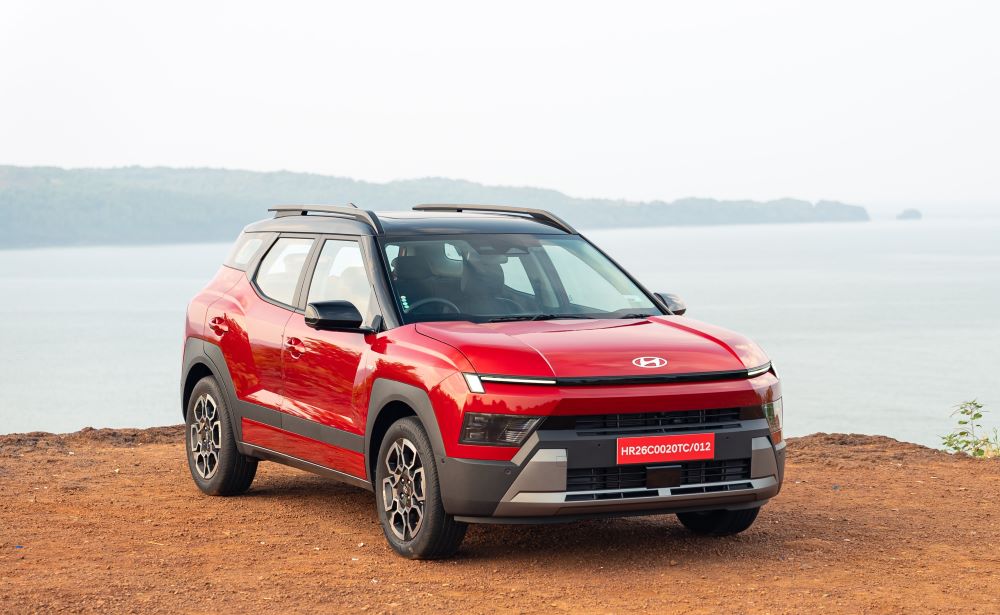
Well, the new Hyundai Bayon is a bit of enigma, because both these phrases can be applied to it. Simply because though it has a funky and futuristic exterior design, its also pragmatic and built to serve affordably. Yes, in my opinion, its very clearly dressed to impress, but built to deliver. And here is where the dichotomy lies. You look at it and expect sporty performance and some excitement, but what it actually gives you is a lot of utility and functional value. Its almost like going out for a date with that pretty girl in your neighbourhood, but what she wants is to discuss the value of real estate and the best picks in the stock market!
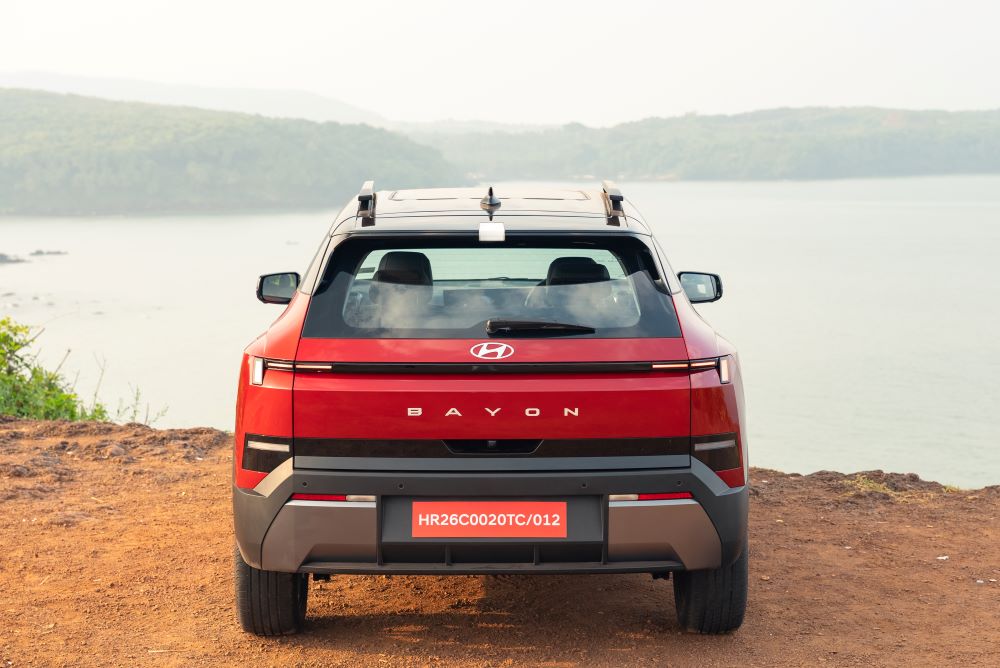
And that is exactly what I felt like when I got behind the wheel of the new Hyundai Bayon for the first time in sunny Goa. Now this beach and party town on our Western coast is meant to be bright and lively, but the day I drove the Bayon, the skies above Goa were overcast and it was dull. Maybe the ironical characteristics of the new Hyundai Bayon, had also been recognized by the weather gods.
Now that the identity confusion or contradiction is done with, let’s look at Bayon, the product. Rather that calling it a SUV, Hyundai describe it as an “Intelligent Utility Vehicle” and even its promotional campaigns are about “Intelligence On”, “Intelligence That Moves” and so on. The visuals also show a futuristic world with the Bayon portraying a role of hi-tech mobility.
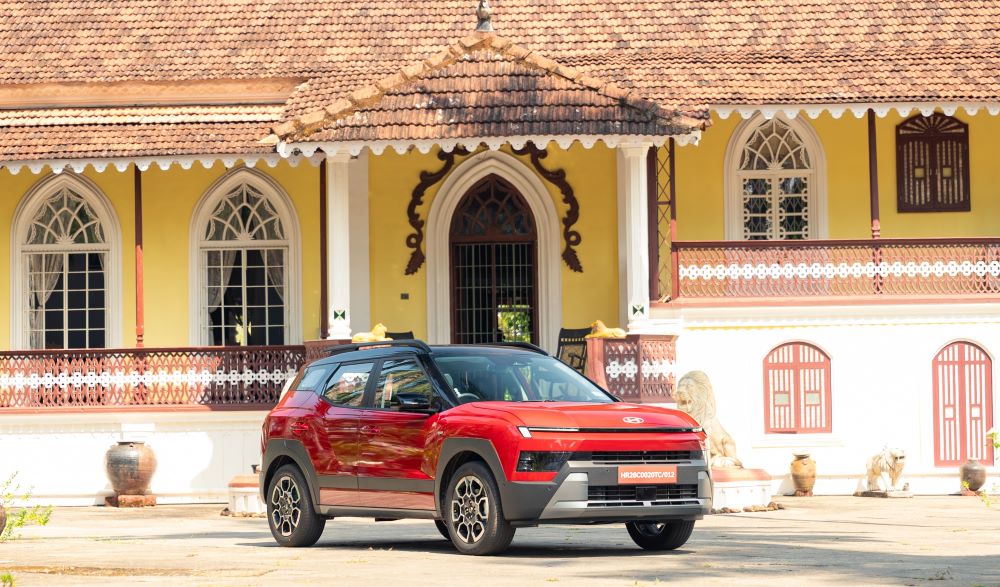
And when you see it in the flesh, its futuristic looks and styling immediately catch your attention. So obviously the creators of the Bayon have succeeded in their goal of making it stand out. But is the Hyundai Bayon a good-looking vehicle. Keeping the idiom train rolling, here is another one – “Beauty is in the eye of the beholder”. And this quite aptly applies to the looks and styling of the Bayon.
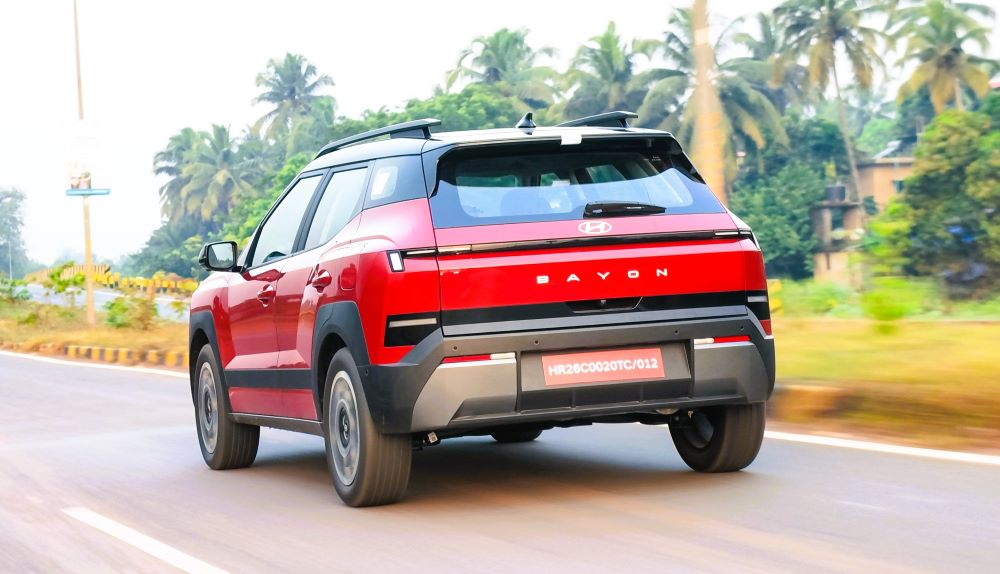
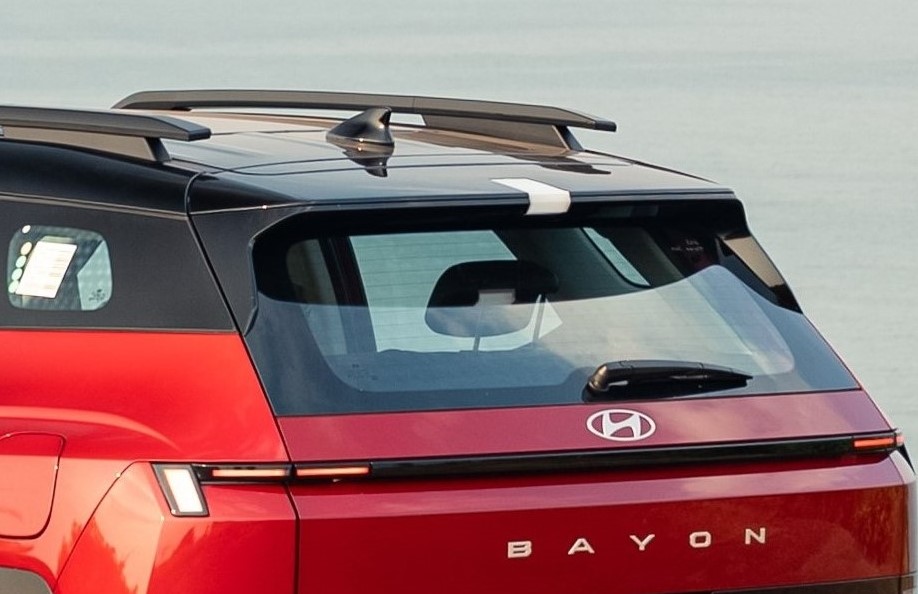
In my view, the new Hyundai Bayon has balanced proportions and looks best from the side, and rear three quarter, and back. The rising character line in the rear door and fender, along with the bulge, look sporty and meaningful, and blend in extremely well with the straight cut tailgate and the horizontal line or design element running across it. The rear bumper is also cleanly cut and I particularly like the 3rd brake light built seamlessly into the rear roof spoiler. It adds a smart and elegant touch to the overall design and is almost like the “Jewel of the Rear”. It also demonstrates that attention to detail, can make all the difference.
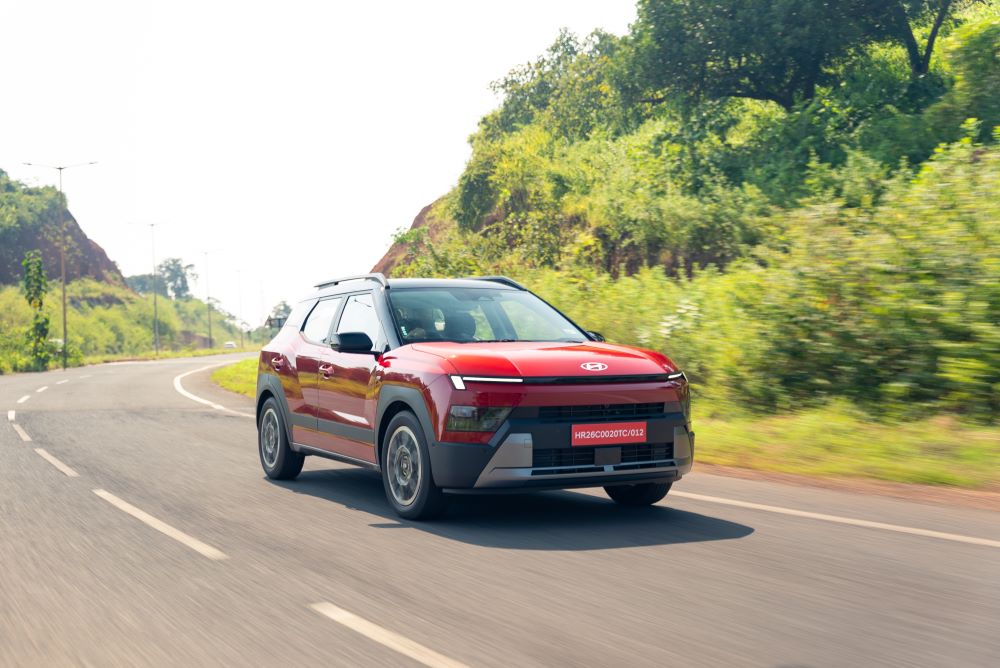
In comparison, I find the front end to be somewhat different. Where the rear is strong and sporty, the front tries to be sleek and stylish. And this divergent design approach does not merge as cohesively as one would like. The slim DRLs and the equally thin center strip or garnish connecting them, looks a bit too slender and is in complete contrast with the big bumper and grille inside, and above it. The inside ends of the headlamp cluster are sloped to integrate with the bumper, but somehow this union does not appear so aesthetic too. The fact that the headlight clusters are placed fairly low, also increases the chances of them getting dirty more quickly. And I am also not sure about the throw and effective range of the lights, as I did not get the opportunity to try them out in the dark.
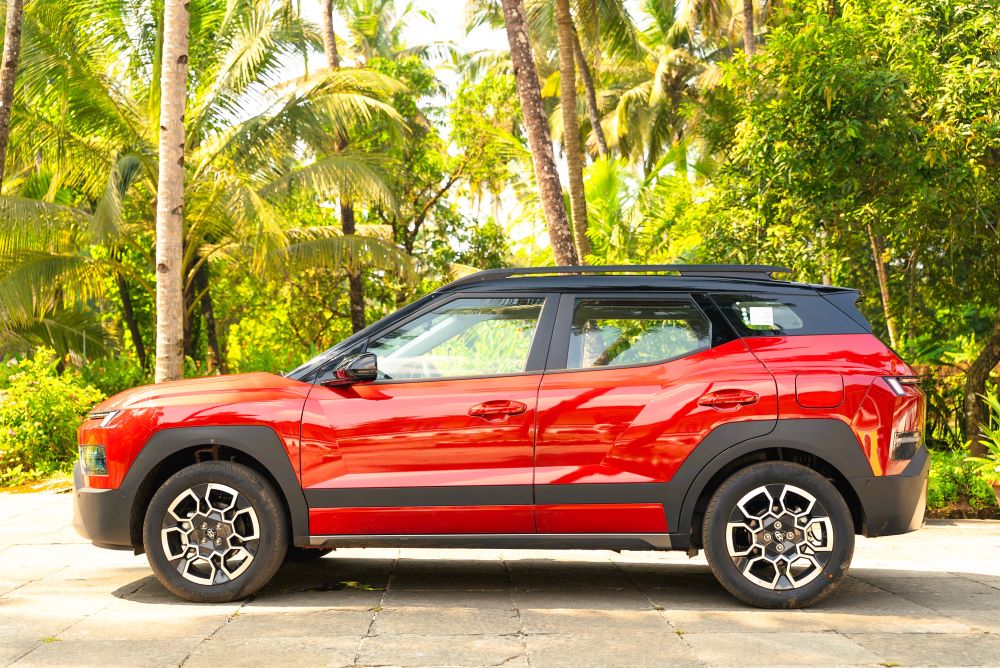
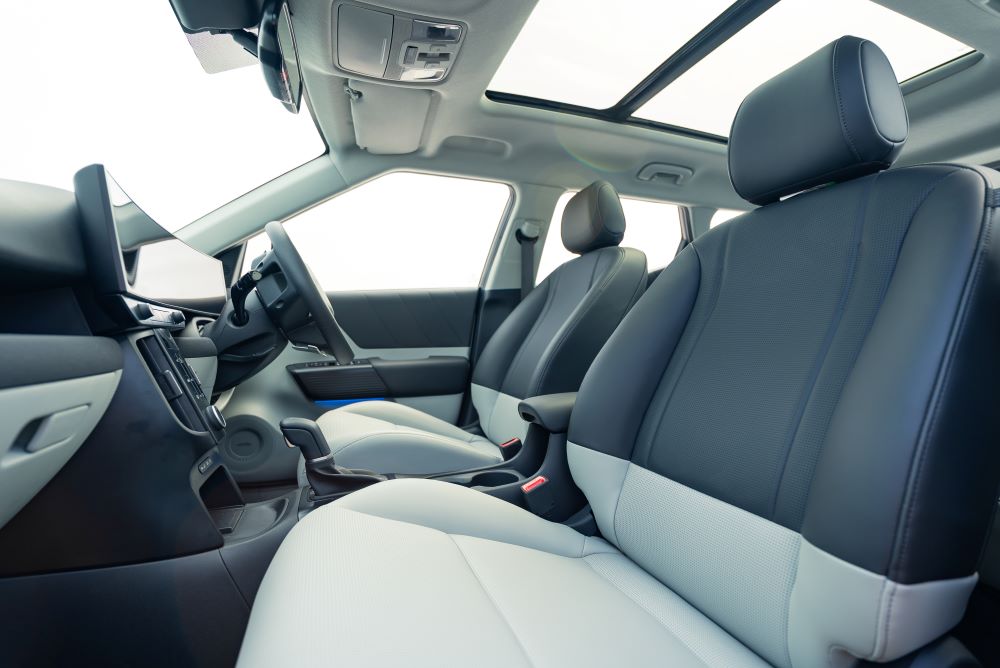
Overall, while the Hyundai Bayon is eye-catching and futuristic looking, in my view its not a beauty contest winner. But full marks to the designers for trying something different. This same approach has been carried into the interior with a lot of though having gone into the design and aesthetics. Everything looks nice and is ergonomically placed and I think the two tone colour theme with the lower half being lighter, works very well too.
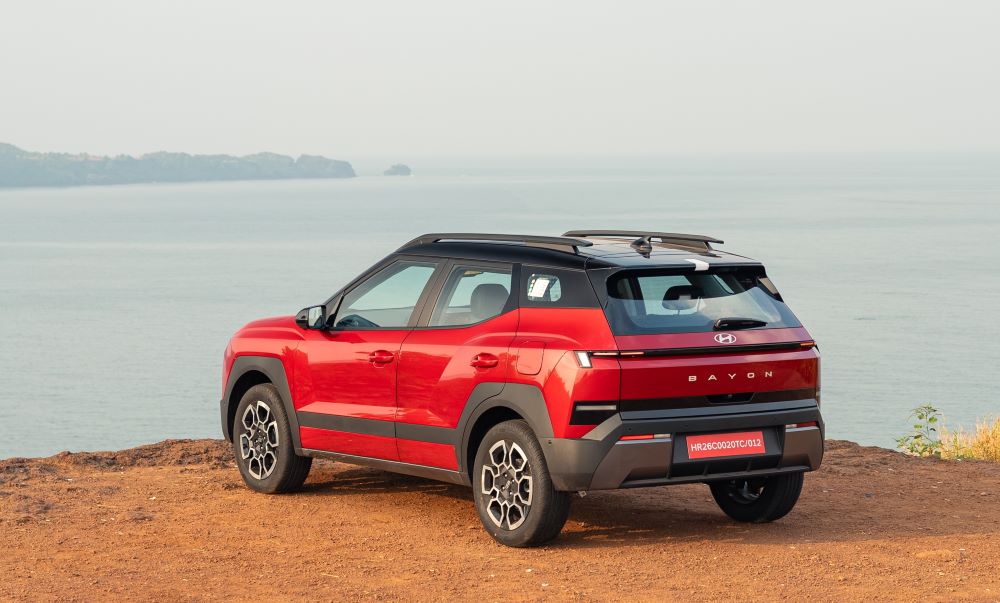
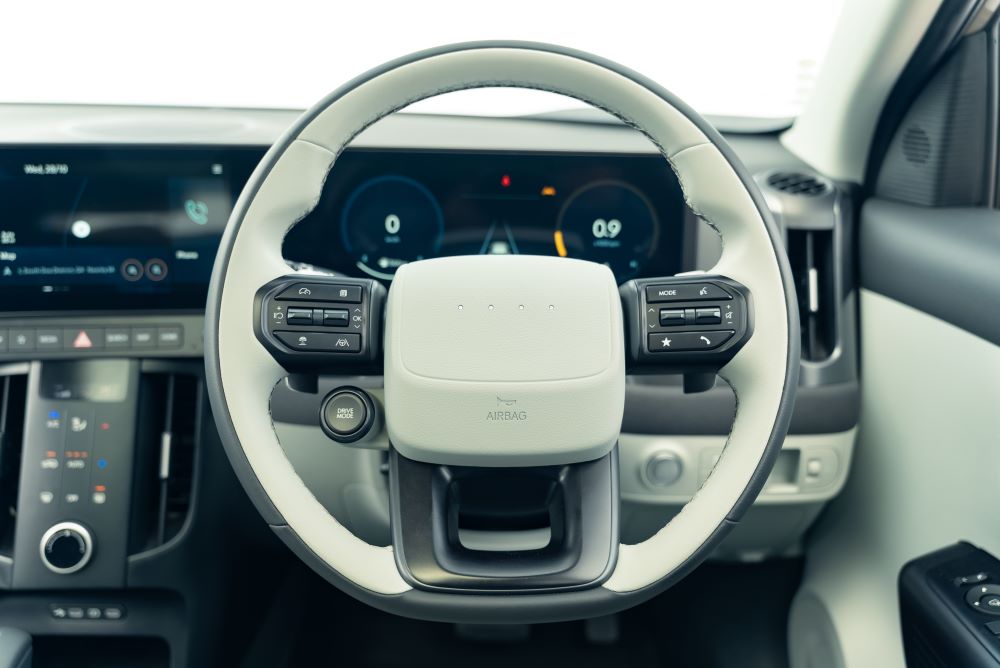
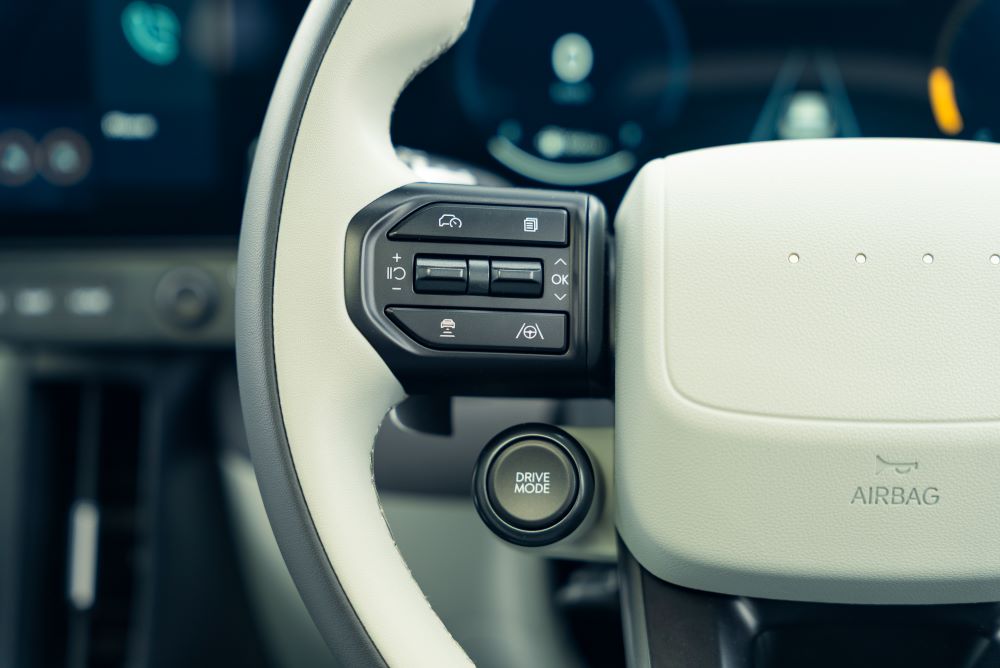
The steering wheel is also smartly designed and feels good to hold and the drive mode button (only on the iVT (Intelligent Variable Transmission) or CVT automatic variants) is cleverly placed too. Space utilization is also admirable and the designers have done a first-rate job of mixing both aesthetics and practicality. But though the design is top class, with the Bayon being built to a cost, there are clear compromises in material and build quality. The design may be modern and smart, but the plastics in the cabin, drag it right back to today, or should I say yesterday.
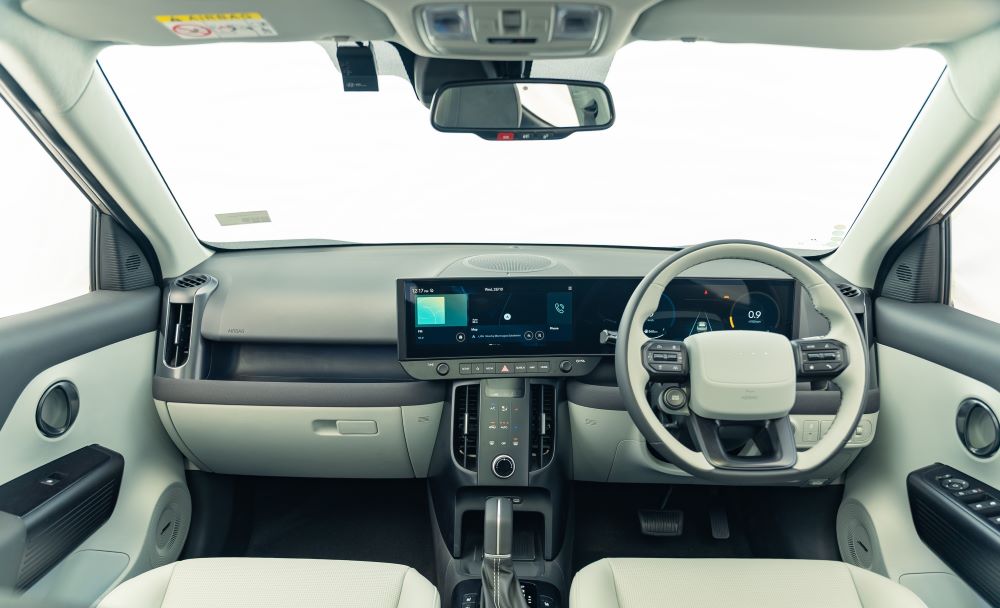
To their credit, Hyundai have equipped the Bayon very generously and it comes with things like – dual 12.3-inch curved panoramic screens with one serving as the instrument cluster, while the other works as the infotainment touchscreen; generative AI-powered voice assistant for weather, live services, itinerary assistance, etc; multilingual infotainment interface supporting 10 regional and 2 international languages; level 2 Pro ADAS featuring up to 23 driver-assistance functions supported by 3 radars and 12 parking sensors; 360-degree camera and a blind view monitor; Over-the-Air updates for up to 19 controllers or computers; power-adjustable driver seat and ventilated front seats and reclining rear seat; 6 airbags; ESC (electronic stability control); HAC (hill-start sssist control); and so on. It’s a long list.
Interestingly, in a departure from the norm, Hyundai representatives clearly named the Maruti Suzuki Victoris as a rival in the presentation prior to the test drive. And they also listed the spare wheel that comes on the Hyundai Bayon, as a feature not available on the Victoris! This actually is possibly the first time I have seen a spare wheel being included amongst the feature list of a car- “The Times They Are a-Changin'” for sure.
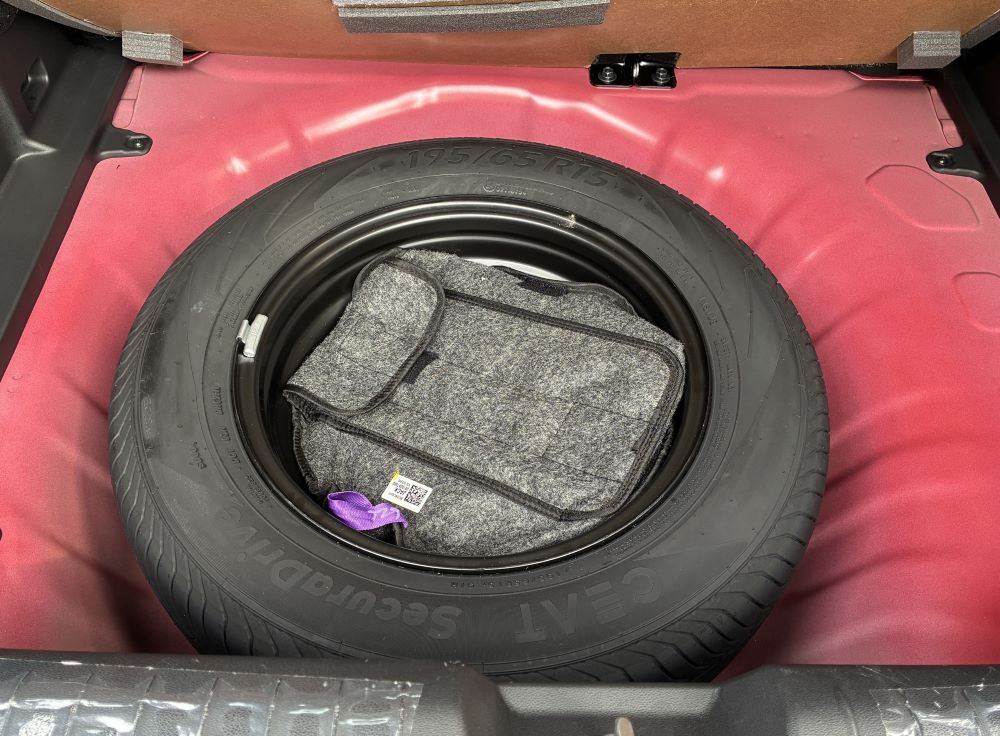
However, what should be even more interesting is when Hyundai introduces the CNG version of the Bayon that they have already announced. Will the Bayon CNG also come with a spare wheel? Or will the CNG tanks take the space of the spare? And then what happens to the claims that the Hyundai Bayon comes with a spare wheel – but the Maruti Suzuki Victoris does not.
For our Indian market Hyundai will only be providing the Bayon with the 1.5 litre petrol engine and as mentioned, the CNG compatible version of it a little later. But no diesel powerplant will be offered, and neither are we going to get the mild hybrid or the full (strong) hybrid that is available in Europe, and some other markets.
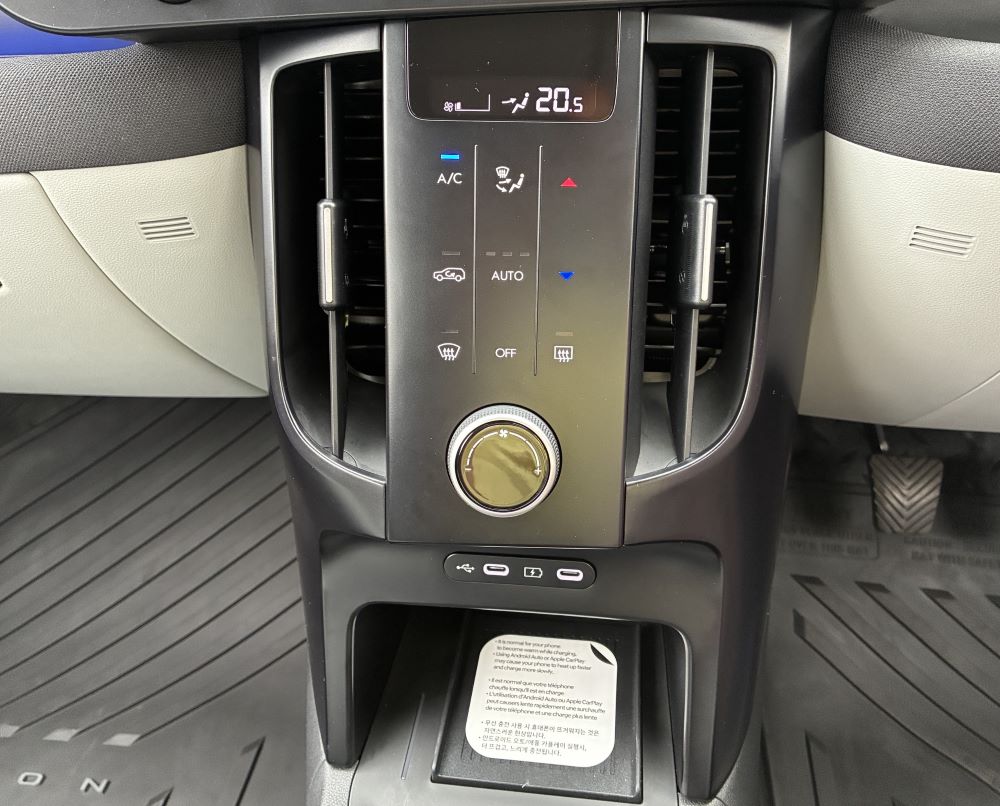
The 1.5 litre naturally aspirated petrol engine is smooth and refined and delivers 113 bhp and 143 Nm of torque. While these figures look respectable on paper, while driving the Bayon it was obvious that Hyundai have tuned this engine for fuel efficiency, which is 17.2 kmpl (manual) and 18.6 kmpl for the automatic, as per ARAI certification. In its current form of tune, this engine builds and delivers its power in a leisurely manner and lacks the punch and performance that the looks hold the promise of. And what I find disappointing is that the manual version which I drove, does not come with the option of Eco, Normal and Sport driving modes, so you cannot even change the engine mapping and up the performance a bit, like you can in the iVT-version, which also comes with paddle shifters.
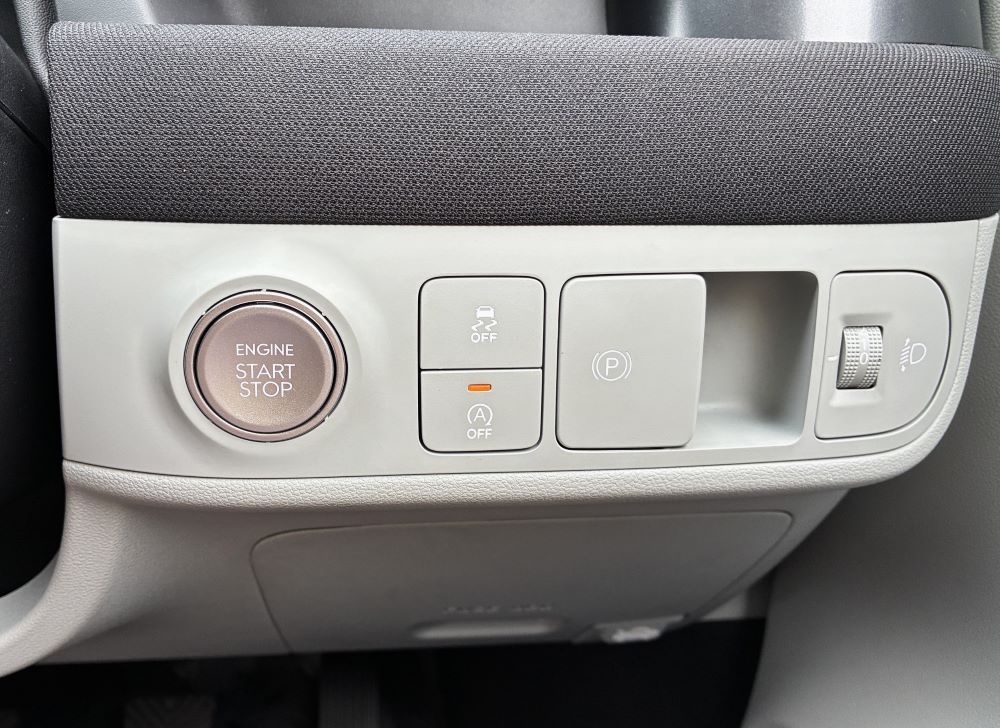
The automatic Bayon also has a “Dash Boost” mode that engages automatically when the throttle sensor detects a sudden, intense push or flooring of the accelerator pedal and temporarily delivers maximum response to make overtaking and other such maneuvers easier. Its almost like the kickdown of traditional automatics, though here it is specifically tailored for the CVT (continuously variable transmission) that Hyundai terms as iVT, or intelligent variable transmission.
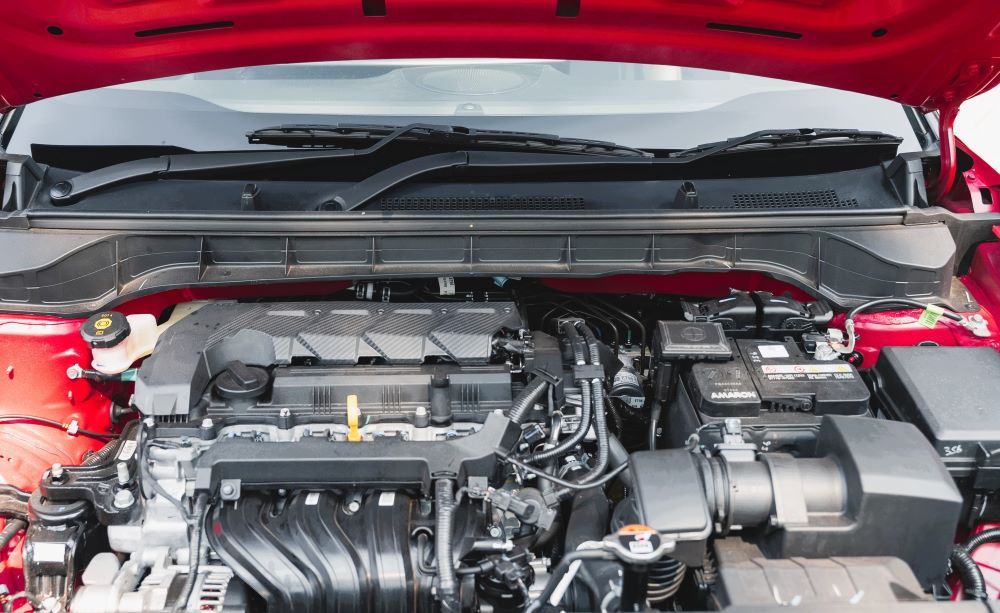
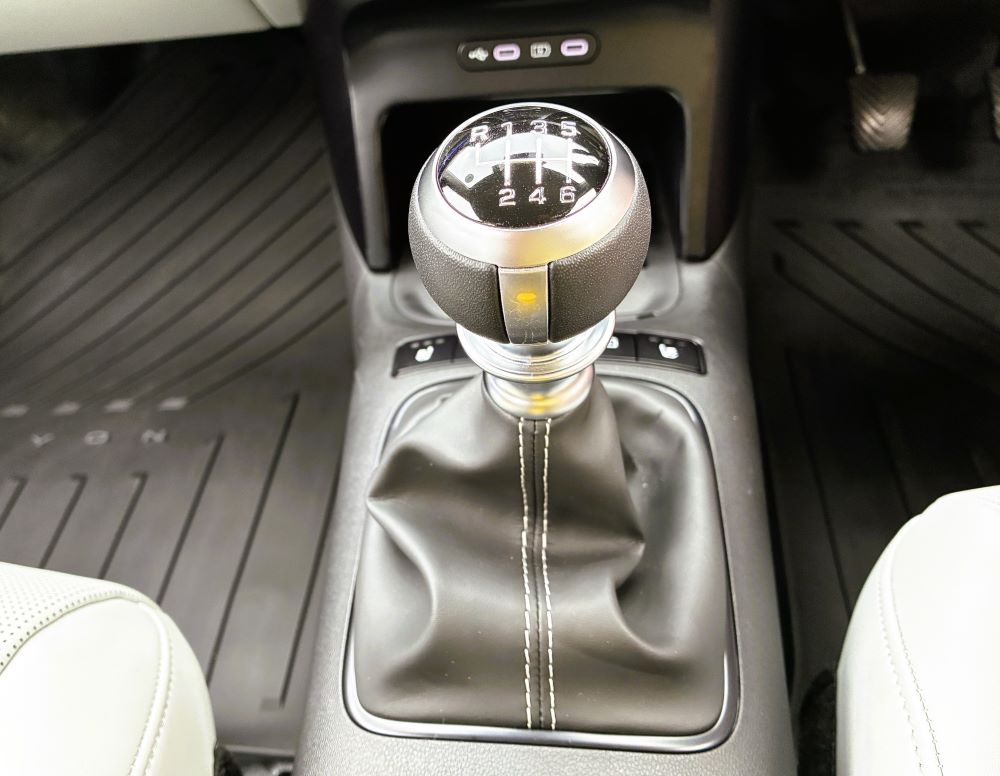
The iVT also has things like electronic parking brake with auto hold, while the manual comes with a mechanical handbrake. The reason for this is clearly cost and positioning. Hyundai have priced the manual Bayon about 1.4 to 1.5 lakhs lower than the automatic. But again, the irony (in my view the Bayon is full of them) is that the manual gearbox is light and precise and allows one to shift through the 6-speed box in a pleasing manner making it a little more rewarding to drive. And of course, the thing I love most on the Hyundai Bayon, you only get in the manual and that is the round sporty gear knob reminiscent of the ones found on sports cars in the 1970s and 80s. I for one would buy the Hyundai Bayon, only for this nice looking and so good to hold gear knob, and the sweet gearbox it connects you to. All that AI linking you can keep, give me this kind of connect any day.
The ride, the handling, braking and steering all are well sorted and setup for a comfortable ride and user-friendly experience. Practicality over performance – this philosophy is evident everywhere, including in the ground clearance and boot capacity. The ground clearance is 205 mm, which is excellent for a crossover like the Bayon. As a matter of fact, it is much superior to that of many SUVs including some all-wheel drive ones like the Audi Q3, Q5, etc. The boot has a massive carrying capacity of 505 litres, and this is also way better that some much larger SUVs like the Jeep Compass, whose boot capacity is only 438 liters in comparison. And mind you the length of the Compass at 4405 mm, is substantially more when compared with the Bayon’s 4245 mm!
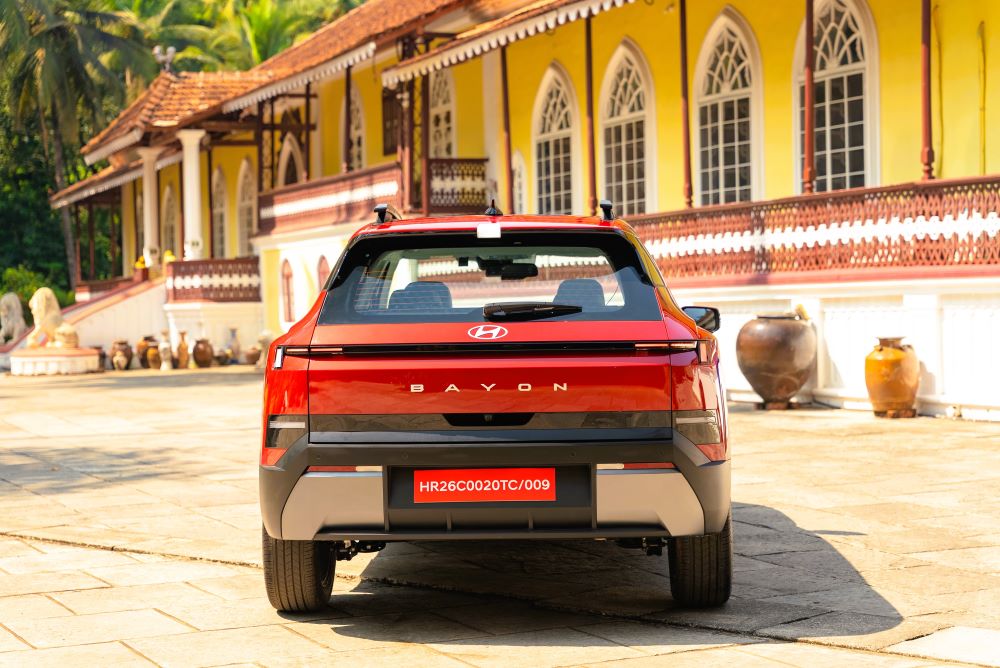
Yes, the space utilization and functionality built into the Hyundai Bayon is appreciable, and it really is spacious and practical. To sum it up let me put it simply – I like the rear end styling but not the front end. Its high on space and practicality, but wish the engine packed more punch. The interior design is good – but not the quality of materials and finish that do not do justice to the design.
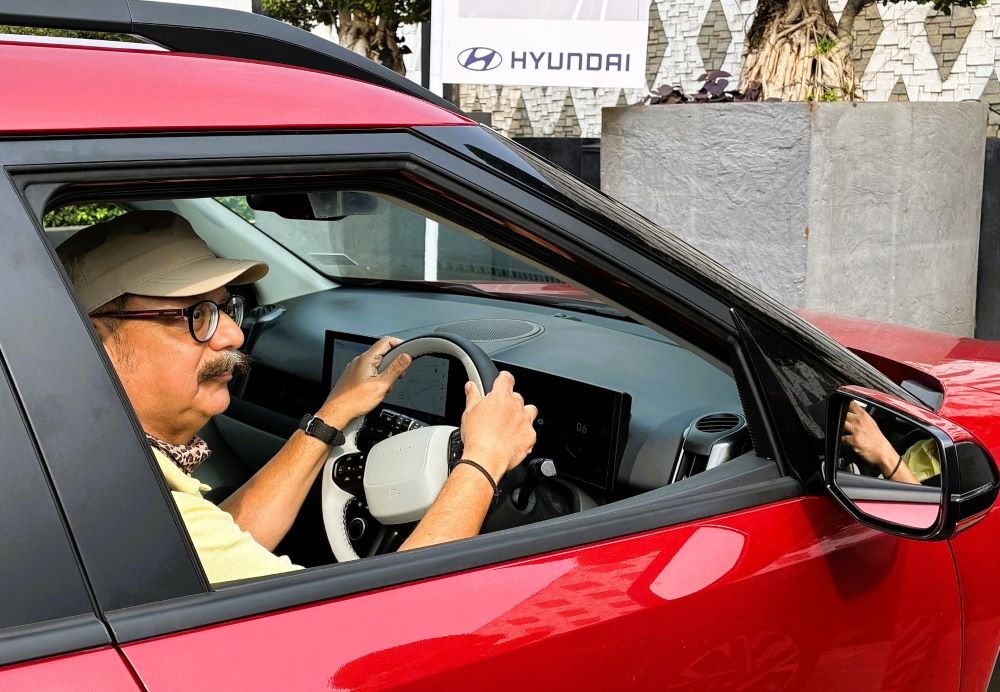
So, will the Bayon succeed. I have a feeling it will, because Indian consumers know how to spot good value. And when along with that you also you get futuristic looks and loads of features, including AI voice assist, its certainly a potent combination. But like I said – for me that round gear knob that sits in the palm so exceedingly well, is the real attraction, and I would buy the Hyundai Bayon only for it.

Bob Rupani is a born car lover and avid automobile enthusiast who has spent some of the best times of his life behind the steering wheel.